

Screw Extractors

Pay in 3 interest-free payments on purchases from £20-£3000 with  . Learn more.
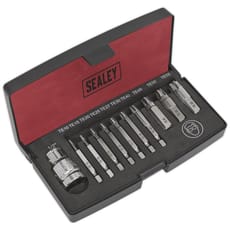
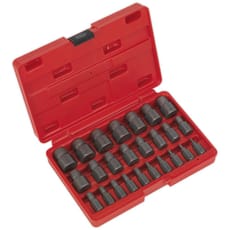
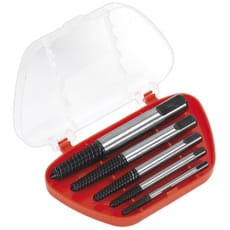
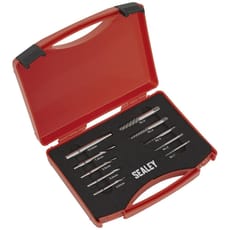
 Loading...
End of content
Error - No more pages to load
About Screw Extractors
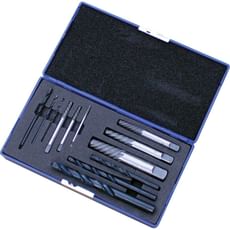
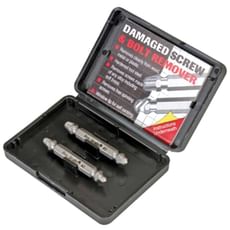
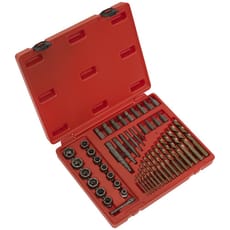
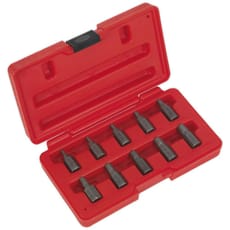
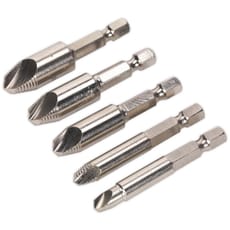
Screw extractors are indispensable tools designed to remove damaged, stripped, or seized fasteners when conventional methods fail. Whether dealing with a rounded-off screw head, a sheared bolt, or a corroded fastener that refuses to budge, these specialised tools provide a reliable solution for what can otherwise become a frustrating and time-consuming problem. The selection at Tooled-Up.com includes extractors in various styles and sizes, from individual pieces to comprehensive sets covering a wide range of fastener dimensions.
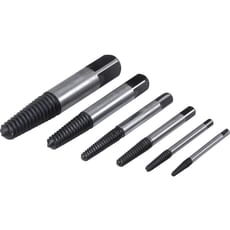
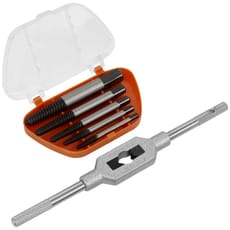
The principle behind screw extractors is elegantly simple yet remarkably effective. Most feature a reverse-threaded, tapered design that bites into the damaged fastener as you turn it anticlockwise. To use one, you typically drill a pilot hole into the centre of the problem fastener, insert the appropriately-sized extractor, and turn it carefully using a tap wrench, adjustable spanner, or locking pliers. As the extractor threads into the hole, it grips the fastener and – in most cases – allows you to back it out successfully. Modern variations include spiral flute extractors, straight flute designs, and multi-spline extractors, each suited to different applications and fastener types.
Tooled-Up stocks screw extractors from trusted manufacturers including Irwin, Sealey, Draper, Dormer, and Facom, offering options for both professional tradespeople and serious DIY enthusiasts. Sets are available ranging from compact 4-piece kits perfect for occasional use, through to comprehensive 40-piece collections that cover virtually every scenario you're likely to encounter on site or in the workshop.
Jargon Buster
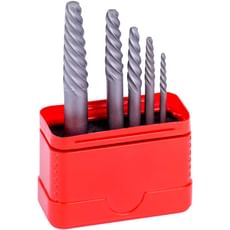
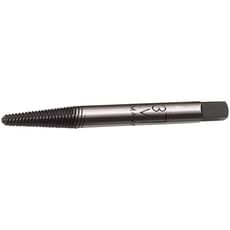
- Spiral Flute Extractor: The most common type, featuring a tapered body with spiral grooves that bite into the fastener as you turn it anticlockwise. The spiral design helps to draw debris out of the hole whilst providing excellent grip.
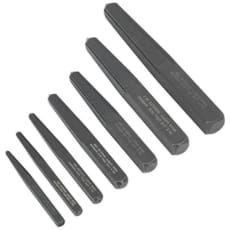
- Straight Flute Extractor: Features straight rather than spiral grooves, typically used for larger bolts and in situations where the fastener is under significant tension. These work well with square drive tools for additional torque.
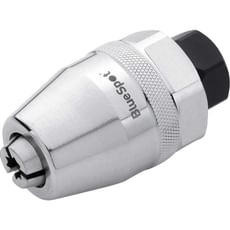
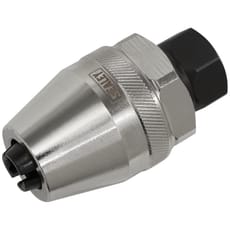
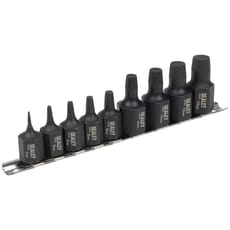
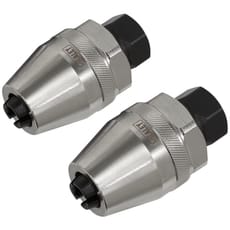
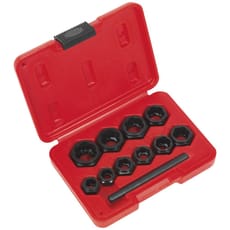
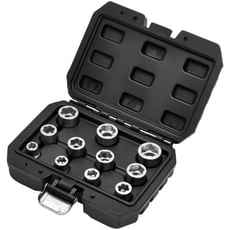
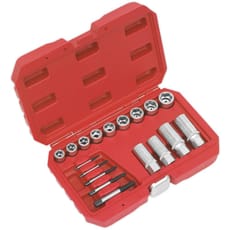
- Multi-Spline Extractor: Modern design featuring multiple gripping edges that conform to the internal shape of the damaged fastener, often used in socket-style extractors for quicker removal without pre-drilling.
- Left-Hand Drill Bit: Specialised drill bit that rotates anticlockwise, sometimes removing seized fasteners during the drilling process itself, before an extractor is even needed.
- EZ Out: Popular trade name for a specific style of spiral screw extractor, though often used generically to describe any screw extraction tool.
- Pilot Hole: The precisely-sized hole drilled into the centre of a damaged fastener to accommodate the extractor. Getting this size right is critical to success.
Who Uses Screw Extractors?
Screw extractors are essential tools for a wide range of trades and applications:
- Automotive Mechanics: Regularly encounter seized engine bolts, corroded exhaust studs, and rounded fasteners on vehicles
- Plant and Machinery Engineers: Deal with heavy-duty bolts on industrial equipment exposed to extreme conditions
- Maintenance Engineers: Work on aging infrastructure where fasteners have corroded or become damaged over time
- Plumbers and Heating Engineers: Face seized brass fittings and corroded fixings on pipework and boilers
- General Builders and Carpenters: Encounter stripped screws in timber work, particularly when removing old fixings
- Electricians: Need to remove damaged screws from consumer units, back boxes, and electrical accessories
- Marine Engineers: Constantly battle corrosion-related fastener failures in saltwater environments
- Agricultural Engineers: Work with weathered equipment where fasteners are exposed to the elements
- DIY Enthusiasts: Require occasional fastener removal during renovation and restoration projects
- Motorcycle Mechanics: Deal with small, easily-damaged fasteners on compact machinery
How to Choose the Right Screw Extractors
Size Range: Consider the fastener sizes you most commonly encounter. Sets typically cover metric ranges (M3-M30) or imperial sizes (No.4 through to 1/2 inch). Professional users benefit from comprehensive sets, whilst DIY users might opt for a smaller range covering the most common sizes.
Extractor Type: Spiral flute extractors are versatile and suitable for most applications. Multi-spline socket-style extractors offer faster operation without pre-drilling, ideal for automotive work. Straight flute designs provide extra grip for stubborn larger fasteners.
Material Quality: Premium extractors manufactured from hardened carbon steel or HSS (High-Speed Steel) resist snapping under torque. Budget options may suffice for occasional use, but professional tradespeople should invest in quality brands like Irwin, Dormer, or Facom to avoid extractors breaking off inside fasteners.
Drive Compatibility: Some extractors work with standard tap wrenches, whilst others feature square drives compatible with ratchets (typically 1/4" or 3/8" drive). Impact-rated extractors can be used with air impact wrenches for maximum torque on seized fasteners.
Left-Hand Drill Bits: Sets that include left-hand drill bits offer a two-stage approach – often the fastener loosens during the drilling phase itself. This combination approach increases success rates significantly.
Storage and Organisation: Sets with indexed cases help you quickly identify the correct size and keep extractors protected. Loose extractors easily get mislaid or damaged in toolboxes.
Application-Specific Sets: Specialist sets exist for particular tasks, such as damaged stud removal in engine blocks or micro-extractors for electronics work. Choose according to your primary applications.
Popular Accessories
- Left-Hand Drill Bits: Essential companion to screw extractors, often removing fasteners before extraction is needed
- Tap Wrenches: Provide controlled turning force when using extractors, preventing over-torque and breakage
- Centre Punches: Create accurate starting points for pilot holes, critical to extractor success
- Precision Drill Bit Sets: HSS or cobalt bits in small increments for accurate pilot hole sizing
- Cutting Fluid: Lubricates and cools during drilling, particularly important when working with hardened fasteners
- Locking Pliers (Mole Grips): Provide grip on extractor heads when additional torque is needed
- Screw Removal Pliers: Alternative approach using vice-grip action on damaged screw heads
- Impact Drivers: Can be used with impact-rated extractors for maximum removal force
- Cobalt Drill Bits: For drilling through hardened or stainless steel fasteners
- Thread Repair Kits: Often needed after extraction to restore damaged threads in tapped holes
Safety Information
Eye Protection: Always wear safety glasses when drilling pilot holes and using extractors. Metal fragments and swarf can cause serious eye injuries, particularly when extractors or drill bits break under torque.
Correct Size Selection: Using an extractor that's too small for the pilot hole will result in insufficient grip and potential breakage. Using one that's too large may crack the remaining fastener material. Always follow manufacturer sizing charts precisely.
Drilling Accuracy: Ensure pilot holes are centred and drilled perpendicular to the fastener. Off-centre holes reduce extractor effectiveness and increase breakage risk. Use a centre punch and work at appropriate drill speeds – rushing increases the chance of drill wander.
Torque Awareness: Apply steady, controlled force when turning extractors. Excessive torque, particularly on smaller sizes, will snap the extractor off inside the fastener, creating a worse problem than you started with. If an extractor won't turn after reasonable effort, try heating the surrounding material (where safe) or apply penetrating fluid and wait.
Heat Considerations: When using heat to loosen seized fasteners, be aware of surrounding materials. Avoid heating near fuel lines, plastic components, or 240v electrical wiring. Have fire extinguishing equipment to hand when applying heat in confined spaces.
Personal Protective Equipment: Wear appropriate gloves to protect against sharp edges and hot components. Ensure adequate ventilation when using penetrating oils or cutting fluids, as per COSHH regulations.
Frequently Asked Questions
What size pilot hole should I drill for my screw extractor?
Each extractor has a specific recommended drill bit size, usually marked on the tool itself or detailed in the set's instructions. As a general rule, the pilot hole should be approximately 75% of the fastener's minor diameter. Drilling too large a hole leaves insufficient material for the extractor to grip, whilst too small a hole prevents proper insertion. Always consult the manufacturer's sizing chart for your specific extractor set.
Why do screw extractors sometimes break off inside the fastener?
Extractors typically break due to excessive torque, incorrect sizing, or poor quality materials. Because extractors are hardened to bite into damaged fasteners, they're also somewhat brittle. To prevent breakage, ensure you've drilled the correct pilot hole size, apply steady rather than jerking force, and use penetrating oil on seized fasteners. If resistance is high, stop and reassess rather than forcing the extractor.
What should I do if a screw extractor breaks off in the hole?
This is a challenging situation because the hardened extractor material is difficult to drill through. Options include using a small carbide burr to grind away the broken extractor, using EDM (Electrical Discharge Machining) if available, or carefully drilling around the extractor to remove the entire fastener and repair the threads afterwards. Prevention through careful technique is far better than attempting to rectify a broken extractor.
Are left-hand drill bits really necessary?
Whilst not strictly essential, left-hand drill bits significantly improve success rates. Because they rotate anticlockwise (the direction needed to loosen fasteners), they often back out seized screws during the pilot hole drilling process itself. This eliminates the need for extraction in many cases. Sets that include both left-hand drill bits and extractors offer the best value and highest success rates.
Can screw extractors be used on stainless steel fasteners?
Yes, but with additional care. Stainless steel is harder and more resistant than mild steel, so use cobalt drill bits for pilot holes, apply cutting fluid liberally, and work at slower speeds to prevent work hardening. Quality extractors from manufacturers like Dormer or Irwin, available from Tooled-Up, are better suited to this demanding application than budget alternatives. Expect the process to take longer and require more patience than with standard steel fasteners.