

Scythes & Hooks

Pay in 3 interest-free payments on purchases from £20-£3000 with  . Learn more.
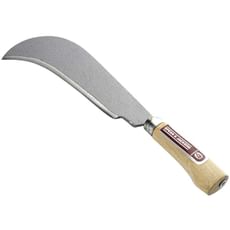
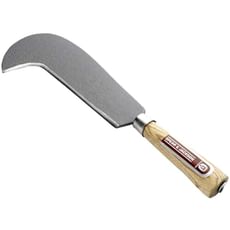
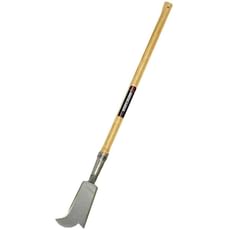
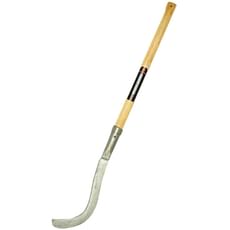
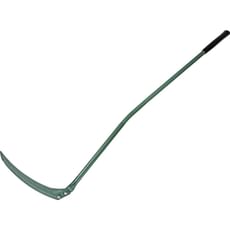
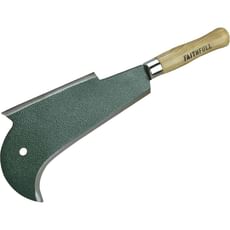
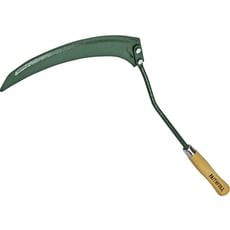
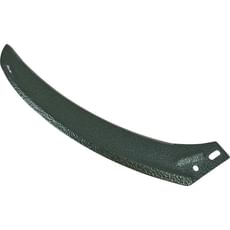
 Loading...
End of content
Error - No more pages to load
About Scythes & Hooks
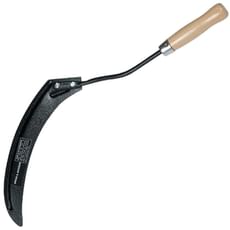
Scythes and hooks are traditional yet indispensable edge tools designed for cutting through rough vegetation, maintaining hedgerows, and clearing overgrown areas. These hand tools have been relied upon for generations by groundsmen, foresters, and landowners who need precise control when working with dense brush, brambles, and undergrowth. Unlike mechanised strimmers or brushcutters, scythes and hooks offer quiet operation, zero emissions, and exceptional manoeuvrability in awkward terrain where powered equipment simply cannot reach.
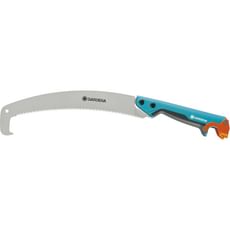
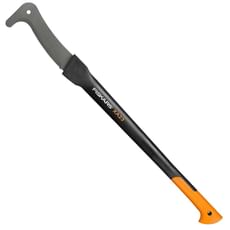
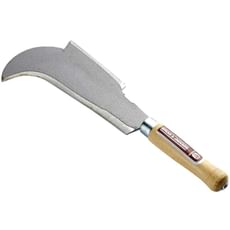
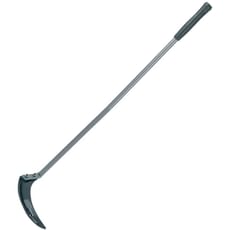
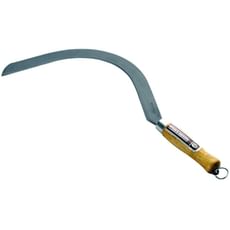
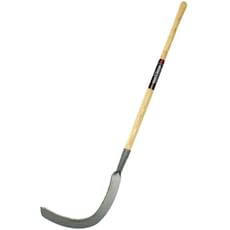
The category encompasses several distinct tool types, each suited to specific tasks. Bill hooks feature curved blades designed for hedge laying and coppicing, whilst grass hooks excel at cutting rough grass and weeds in tight spaces. Slashers provide aggressive cutting power for heavy brush clearance, and scythettes offer a compact alternative to full-sized scythes for smaller plots and garden maintenance. Tooled-Up.com stocks trusted brands including Spear and Jackson, Faithfull, Fiskars, and Gardena, ensuring professional-grade quality for both tradespeople and serious gardeners.
These tools work through a chopping or slicing action, with blades specifically designed for cutting green wood and living vegetation. The balanced design and ergonomic handles reduce user fatigue during extended use, making them ideal for large-scale vegetation management projects where sustained effort is required. Traditional patterns such as the Irish Slasher, Newton Bill Hook, and Southern Counties Bill Hook reflect centuries of regional tool development, each optimised for local vegetation types and working conditions.
Jargon Buster
- Bill Hook: A traditional cutting tool with a curved blade and single handle, used primarily for hedge laying, coppicing, and cutting woody stems. The curved design enables a powerful chopping action whilst the hook shape prevents material from sliding off during the cut.
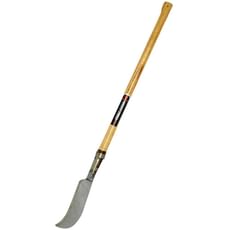
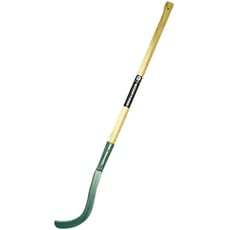
- Slasher: A heavy-duty blade tool with a long handle, designed for cutting thick brush, brambles, and undergrowth. Available in single-edge or double-edge configurations depending on cutting requirements.
- Scythette: A compact version of a traditional scythe, featuring a curved blade mounted on a shorter handle. Ideal for cutting grass and light vegetation in confined spaces where a full-sized scythe would be impractical.
- Grass Hook: A short-handled tool with a curved blade, used for trimming grass in areas inaccessible to mowers, such as around fence posts, trees, and garden edges. Also known as a sickle in some regions.
- Green Wood: Living or freshly cut wood that hasn't been seasoned or dried. Scythes and hooks are specifically designed for cutting green wood, which requires sharper blades and different cutting angles compared to dried timber.
- Hedge Laying: A traditional countryside skill involving partially cutting through hedge stems and laying them horizontally to create dense, stock-proof barriers. Bill hooks are the essential tool for this specialist technique.
Who Uses Scythes & Hooks?
- Groundsmen and Greenkeepers: Maintaining sports fields, golf courses, and public spaces where precision trimming around obstacles is required
- Forestry Workers: Clearing undergrowth, coppicing, and managing woodland areas with traditional sustainable methods
- Hedge Layers: Specialist contractors maintaining traditional hedgerows using time-honoured countryside management techniques
- Farmers and Landowners: Managing field margins, clearing ditches, and maintaining boundaries on agricultural land
- Conservation Workers: Habitat management and invasive species control in nature reserves and protected areas
- Landscapers: Site clearance, rough grass management, and vegetation control during landscaping projects
- Highway Maintenance Teams: Roadside verge management and visibility clearance along roads and pathways
- Allotment Holders and Gardeners: Managing larger plots, clearing overgrown areas, and maintaining plot boundaries
- Estate Managers: Maintaining country estates, parkland, and large private grounds
How to Choose the Right Scythes & Hooks
Selecting the appropriate tool depends primarily on the vegetation type and cutting task. For hedge laying and cutting woody stems up to approximately 50mm diameter, a bill hook provides the necessary weight and blade geometry. Regional patterns like the Newton or Southern Counties designs reflect different cutting techniques, so consider which style suits your working method. The Faithfull Countryman range at Tooled-Up offers well-balanced traditional patterns ideal for professional use.
For heavy brush clearance and bramble cutting, slashers deliver superior cutting power through their longer handles and aggressive blade profiles. Single-edge slashers suit general-purpose work, whilst double-edge versions enable both push and pull cutting strokes for faster progress through dense vegetation. The Spear and Jackson Heavy Duty range provides robust construction capable of withstanding demanding site conditions.
Blade material and edge retention are critical considerations. Look for high-carbon steel blades that hold a sharp edge throughout extended use yet remain easy to resharpen in the field. Handle construction should feature hardwood or durable composite materials with secure tang attachments to prevent blade detachment during heavy work. Handle length affects leverage and reach – shorter handles suit confined spaces whilst longer handles provide greater cutting force for tougher vegetation.
Consider whether replaceable blades offer advantages for your application. Tools like the Faithfull Countryman Scythette and Spear and Jackson Razorsharp Scythette feature replaceable blades, reducing long-term costs and minimising downtime when blade replacement becomes necessary. For occasional domestic use, fixed-blade tools provide simplicity and durability without the need for spare parts management.
Popular Accessories
- Sharpening Stones and Files: Essential for maintaining sharp cutting edges in the field, including diamond stones and traditional whetstones
- Blade Guards and Sheaths: Protective covers for safe storage and transportation between work sites
- Replacement Blades: Spare blades for scythettes and other tools with replaceable cutting edges
- Protective Gloves: Heavy-duty work gloves providing cut resistance and improved grip during extended use
- Tool Oil: Rust prevention and blade preservation products for long-term tool care
- Holsters and Tool Belts: Convenient carrying systems for keeping tools accessible during vegetation management work
- Eye Protection: Safety glasses or visors to protect against flying debris during cutting operations
- Leg Protection: Brush chaps or protective trousers when working in thorny or dense vegetation
Safety Information
Scythes and hooks are sharp-edged cutting tools requiring proper handling and respect. Always wear appropriate personal protective equipment including heavy-duty work gloves, sturdy boots with ankle support, and eye protection. Long trousers and long-sleeved shirts provide essential protection against thorns and flying debris. When working in areas with brambles or particularly dense vegetation, consider specialist brush protection trousers.
Maintain a clear working area and ensure bystanders remain at a safe distance – at least five metres from the cutting zone. Check tools before use for secure handle attachment, blade damage, or excessive wear. Loose or damaged components should be repaired or replaced before commencing work. When carrying tools between locations, always use blade guards or sheaths, and carry with the blade pointing downwards and away from your body.
Take regular breaks to prevent fatigue, which significantly increases accident risk. Work with controlled, deliberate strokes rather than rushed, powerful swings that can cause loss of control. Be especially cautious when cutting on slopes or uneven ground where footing may be uncertain. Keep blades sharp – dull blades require excessive force and are more likely to slip or glance off material, creating dangerous situations. Always sharpen and maintain tools away from the cutting area, with blades secured in a stable position.
Frequently Asked Questions
What's the difference between a bill hook and a slasher?
A bill hook features a shorter, deeply curved blade designed for controlled chopping of woody stems and hedge laying work, typically used with one hand. A slasher has a longer, less curved blade mounted on an extended handle, providing greater reach and cutting power for heavy brush clearance. Slashers work with sweeping strokes whilst bill hooks use chopping actions.
How do I maintain and sharpen these tools?
Clean blades after each use to remove sap and plant material, then apply a light coating of tool oil to prevent rust. Sharpen regularly using a fine mill file or sharpening stone, maintaining the original bevel angle (typically 20-30 degrees). Work from the handle end towards the tip with smooth, consistent strokes. For heavily worn blades, start with a coarser file before finishing with a fine stone.
Can I use a grass hook instead of a strimmer?
Grass hooks excel in situations where strimmers are impractical – around delicate plants, near walls and fences, or in areas with obstacles. They're quieter, require no fuel or power, and provide excellent control. However, for large open areas, powered strimmers are faster. Many groundsmen use both tools, selecting whichever suits the specific situation.
Are replacement blades available for scythettes?
Yes, replacement blades are available for most scythette models, including those from Faithfull Countryman and Spear and Jackson Razorsharp ranges. Replacement blades extend tool life significantly and are more economical than purchasing complete new tools. Ensure you identify the correct blade model for your specific scythette before ordering.
What blade length should I choose?
Blade length depends on your physical strength, the vegetation density, and available working space. Shorter blades (200-300mm) offer better control in confined areas and suit lighter vegetation. Longer blades (400-600mm) provide greater reach and cutting capacity for heavy brush but require more strength and space to use effectively. Consider starting with a mid-length option if you're unsure about your requirements.