

SDS Max Chisel Bits
Pay in 3 interest-free payments on purchases from £30-2000 with  . Learn more.
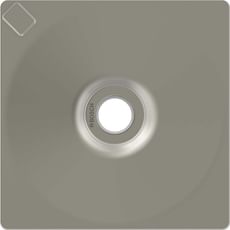
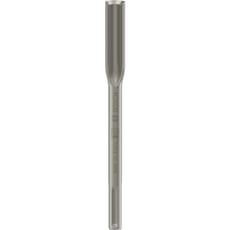
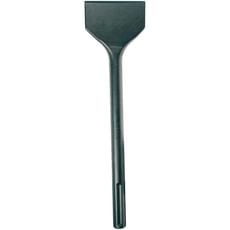
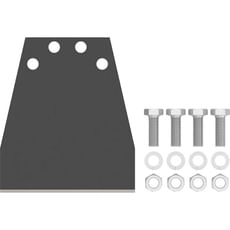
 Loading...
End of content
Error - No more pages to load
About SDS Max Chisel Bits
SDS Max chisel bits are heavy-duty chiselling attachments designed for use with SDS Max rotary hammers and breakers, the largest and most powerful tools in the SDS fitting family. Unlike their smaller SDS Plus counterparts, SDS Max chisels feature an 18mm shank diameter and are engineered specifically for demanding demolition, breaking, and construction applications where maximum impact force is required. These professional-grade tools are essential for tackling tough materials including reinforced concrete, masonry, and asphalt.
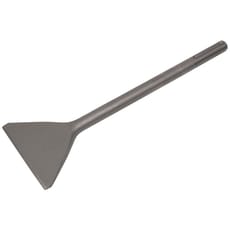
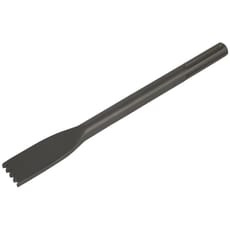
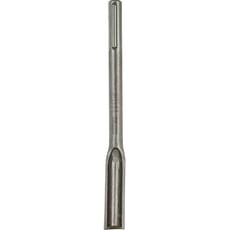
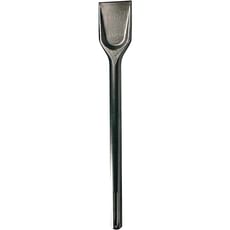
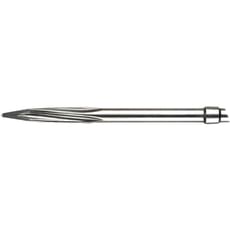
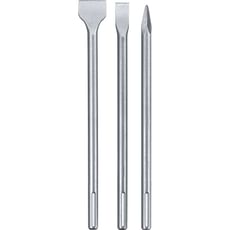
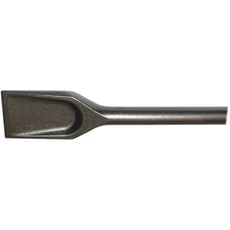
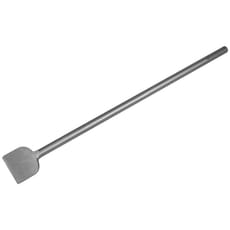
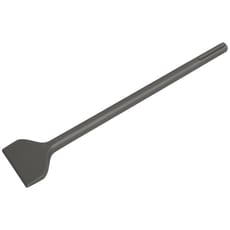
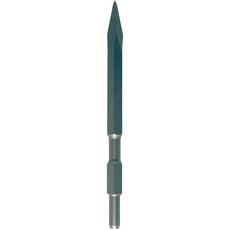
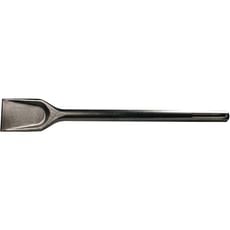
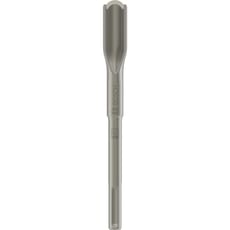
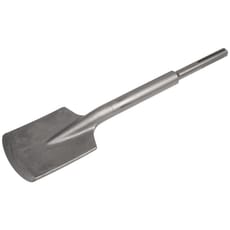
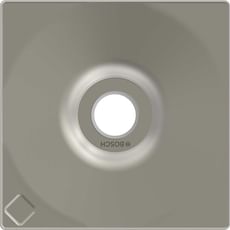
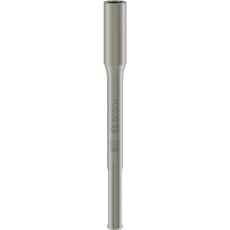
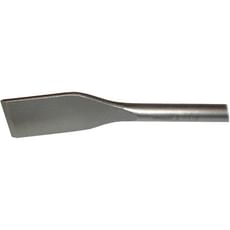
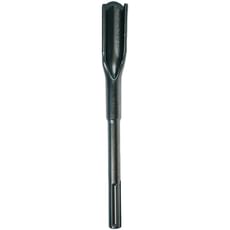
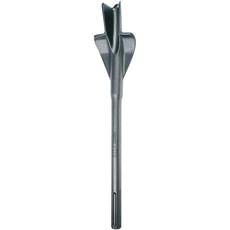
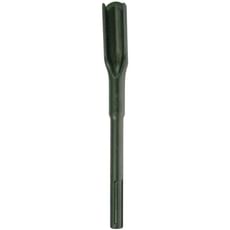
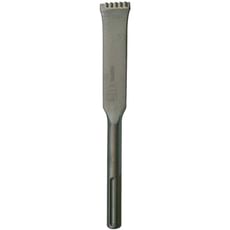
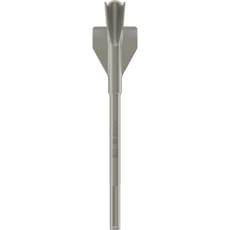
The range available from Tooled-Up.com encompasses a comprehensive selection of chisel profiles to suit different applications. Pointed chisels excel at precision breaking and creating starting points in concrete, while flat chisels deliver excellent performance for general demolition and material removal. Specialist variants include self-sharpening RTEC chisels that maintain their cutting edge throughout extended use, asphalt cutters for road repair work, floor scraper chisels for removing tiles and adhesives, and bush hammers for surface preparation and texturing. Tamping plates and earth rod drivers expand the versatility of SDS Max tools beyond simple chiselling tasks.
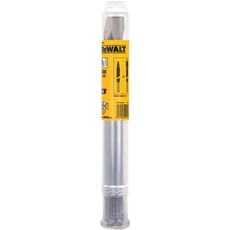
Premium manufacturers including Bosch Professional, DeWalt, and Makita produce SDS Max chisel bits to exacting standards, utilising hardened steel construction and carbide reinforcement where necessary. Professional tradespeople rely on these robust accessories to withstand the tremendous forces generated by breaker hammers whilst maintaining accuracy and durability across thousands of impacts on site.
Jargon Buster
- SDS Max Shank: An 18mm diameter fitting system featuring multiple slots and grooves that lock the chisel securely into compatible rotary hammers. This connection allows the tool to move within the chuck during operation, absorbing impact forces whilst preventing the accessory from spinning or detaching.
- RTEC (Reinforced Technology): A self-sharpening chisel design that maintains its cutting edge throughout use, eliminating the need for frequent resharpening and extending productive working time on site.
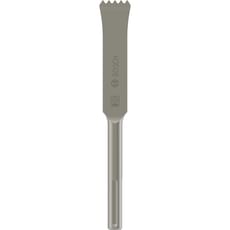
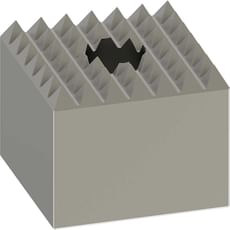
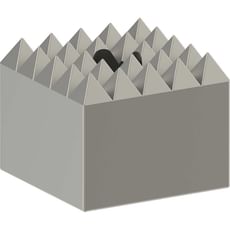
- Bush Hammer: A textured chisel head featuring multiple pointed teeth (typically 9, 25, or 49 teeth) used for surface preparation, creating non-slip finishes on concrete, or exposing aggregate in decorative applications.
- Breaker Chisel: Heavy-duty chisels specifically engineered to withstand the extreme forces generated by dedicated demolition hammers, featuring reinforced shanks and hardened working ends.
- Tamping Plate: A flat attachment used to compact soil, sand, or aggregate, converting an SDS Max hammer into a powered compaction tool for groundwork and foundation preparation.
- Carbide Tip: A reinforced cutting edge made from tungsten carbide, an extremely hard material that maintains sharpness when working in abrasive materials like reinforced concrete and natural stone.
Who Uses SDS Max Chisel Bits?
- Demolition Contractors: Breaking up concrete structures, removing reinforced elements, and controlled demolition work
- Groundworkers: Breaking excavation obstacles, compacting ground, driving earth rods, and preparing foundations
- Builders and General Contractors: Channel cutting, opening doorways, removing sections of masonry, and structural alteration work
- Highway Maintenance Teams: Asphalt removal, road surface repair, and utility access work
- Civil Engineering Contractors: Large-scale concrete breaking, foundation work, and infrastructure projects
- Stonemasons: Shaping natural stone, precision breaking, and surface finishing
- Plant Hire Companies: Maintaining equipment fleets and providing complete breaker kits for rental customers
- Facilities Maintenance Teams: Floor preparation, tile removal, and building modification projects
How to Choose the Right SDS Max Chisel Bits
Application Requirements: Select the chisel profile based on your specific task. Pointed chisels suit precision work and breaking reinforced concrete, flat chisels excel at general demolition and material removal, whilst specialist options like floor scrapers and asphalt cutters are designed for dedicated applications. Consider whether you need standard or self-sharpening RTEC technology for extended projects.
Material Compatibility: Match your chisel to the material you're working with. Standard hardened steel chisels handle concrete and brick effectively, whilst carbide-tipped variants provide superior durability when encountering reinforcement bars, abrasive aggregates, or particularly hard materials. Asphalt cutters feature specific edge geometries optimised for tarmac work.
Tool Compatibility: Confirm your breaker accepts SDS Max fittings rather than SDS Plus or other shank types. Check the manufacturer's specifications regarding maximum chisel length and weight your particular machine can accommodate safely.
Quality and Brand: Professional brands stocked at Tooled-Up including Bosch Professional, DeWalt, and Makita offer superior metallurgy, precision manufacturing, and reliable performance under extreme conditions. Whilst budget options exist, professional tradespeople typically find premium chisels deliver better value through extended service life and consistent results.
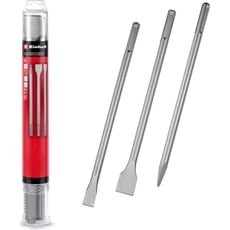
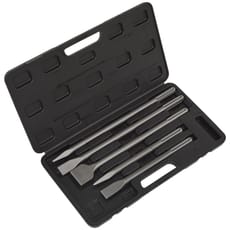
Kit or Individual Purchase: Multi-piece chisel sets provide excellent value when you require multiple profiles for varied work, whilst individual chisels suit tradespeople with established toolkits needing specific replacements or specialist additions.
Popular Accessories
- SDS Max Rotary Hammers and Breakers: The power tools required to drive SDS Max chisel bits, available in various sizes from manufacturers including Bosch, Makita, and DeWalt
- Chisel Grease: Specialist lubricant applied to SDS shanks to reduce friction, prevent seizure, and extend both tool and accessory life
- Protective Chisel Guards: Safety attachments that deflect debris and protect operators during breaking operations
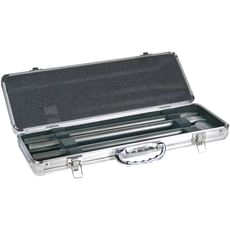
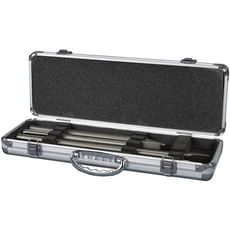
- Tool Storage Cases: Dedicated chisel storage systems that protect cutting edges and organise accessories on site
- SDS Max Drill Bits: Complementary accessories for boring large-diameter holes in concrete and masonry using the same power tools
- Replacement Parts: Floor scraper blades, bush hammer replacement heads, and other serviceable components
- Personal Protective Equipment: Safety goggles, hearing protection, work gloves, and dust masks essential for demolition work
Safety Information
Personal Protective Equipment: Always wear appropriate PPE when operating SDS Max breakers, including impact-resistant safety goggles or face shields, hearing protection rated for high-impact noise, heavy-duty work gloves, steel-toe-capped boots, and respiratory protection when working in dusty environments. High-visibility clothing is essential on construction sites.
Tool Inspection: Examine chisels before each use for cracks, mushroomed heads, worn shanks, or damaged cutting edges. Damaged chisels can shatter under impact, creating dangerous projectiles. Replace worn or damaged accessories immediately rather than continuing to use compromised tools.
Secure Fitting: Ensure chisels are properly seated and locked into the SDS Max chuck before operation. Apply appropriate chisel grease to the shank and check the accessory cannot be pulled free by hand after insertion. Loose fittings can eject under power with considerable force.
Work Environment: Check for hidden services including electrical cables, gas pipes, and water mains before breaking concrete or masonry. Use cable and pipe detectors where available. Be aware of structural elements and obtain appropriate engineering advice before removing load-bearing materials.
Vibration Exposure: SDS Max breakers generate significant vibration that can lead to Hand-Arm Vibration Syndrome (HAVS) with prolonged exposure. Follow HSE guidelines on exposure limits, take regular breaks, maintain good blood circulation, and use anti-vibration gloves where appropriate. Keep detailed records of vibration exposure as required under UK health and safety regulations.
Frequently Asked Questions
What's the difference between SDS Max and SDS Plus chisels?
SDS Max chisels feature an 18mm diameter shank and are designed for heavy-duty demolition hammers delivering significantly higher impact energy. SDS Plus chisels have a 10mm shank and suit lighter rotary hammers for general drilling and light chiselling work. The two systems are not interchangeable, so you must match your chisel type to your power tool's chuck fitting.
How long do SDS Max chisels typically last?
Service life varies considerably depending on application, material hardness, operator technique, and chisel quality. Premium chisels from brands like Bosch Professional and Makita can withstand thousands of impacts when used correctly and maintained properly. RTEC self-sharpening chisels offer extended working life compared to standard variants. Signs that replacement is needed include excessive wear to the working edge, mushrooming of the chisel head, or visible cracks in the steel.
Can I use SDS Max chisels with a standard drill?
No. SDS Max chisels require dedicated SDS Max rotary hammers or breakers that provide both the correct chuck fitting and the high-impact energy these heavy-duty accessories need to function effectively. Standard drills lack both the appropriate chuck and the impact mechanism necessary for chiselling operations.
Do I need different chisels for concrete versus brick?
While many chisels work adequately in both materials, pointed chisels generally perform better in hard concrete and for precision work, whilst flat chisels excel at removing brick and lighter masonry. For professional results, Tooled-Up stocks specialist profiles optimised for specific materials, including asphalt cutters for road surfaces and floor scrapers for tile removal.
How should I maintain SDS Max chisel bits?
Clean chisels after each use to remove concrete dust and debris. Apply chisel grease to the shank before storage to prevent corrosion and ensure smooth insertion during next use. Store chisels in protective cases or holders that prevent damage to cutting edges. Inspect regularly for wear and damage, and retire any chisel showing cracks, excessive wear, or mushrooming of the striking end.