

Self Drilling Screws
Pay in 3 interest-free payments on purchases from £30-2000 with  . Learn more.
 Loading...
End of content
Error - No more pages to load
About Self Drilling Screws
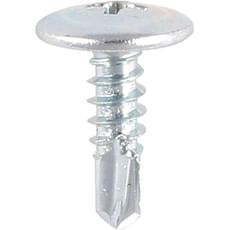
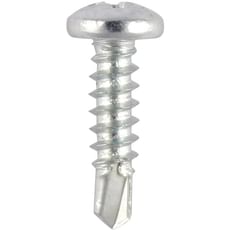
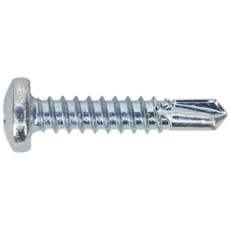
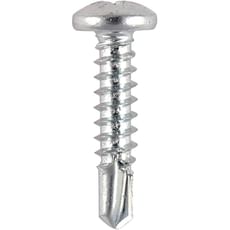
Self drilling screws are specialist fasteners designed with an integrated drill bit point that eliminates the need for pre-drilling pilot holes. These innovative fixings combine drilling and fastening into a single operation, dramatically reducing installation time and labour costs on construction and fabrication projects. The self-drilling point cuts through metal, steel sections, timber, and composite materials, whilst the threaded shaft simultaneously creates a secure connection. Available in various head styles including countersunk, pan head, hex head, and wafer head configurations, these screws are engineered for applications ranging from light-section steel framing to heavy-duty structural metalwork.
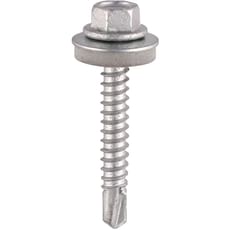
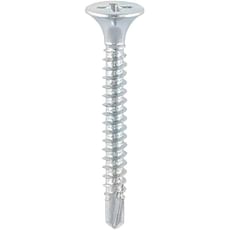
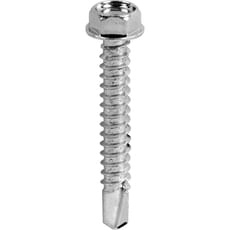
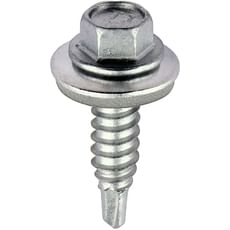
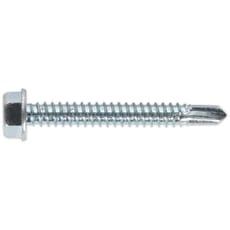
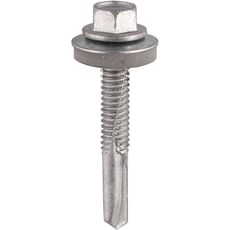
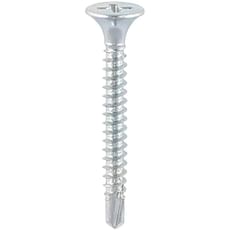
The range at Tooled-Up.com features self drilling screws from trusted manufacturers including Timco and Sealey, encompassing diverse specifications for specific applications. Products include timber-to-steel fixings, drywall screws (both loose and collated for screw guns), stitching screws for joining metal sheets, and heavy-duty hex head screws with EPDM sealing washers for weatherproof connections. Material finishes vary from zinc plated for corrosion resistance to stainless steel for demanding environments exposed to moisture or chemicals. Thread profiles, drill point geometries, and head designs are carefully matched to substrate materials and load requirements, ensuring optimal performance whether fastening cladding panels, steel purlins, plasterboard, or roofing sheets.
Professional tradespeople appreciate self drilling screws for their efficiency on time-sensitive projects where speed directly impacts profitability. The elimination of pre-drilling reduces the number of tools required on site and minimises the risk of misaligned holes that compromise joint integrity. Tooled-Up stocks comprehensive assortments and bulk packs, providing cost-effective solutions for both small repairs and large-scale installations requiring thousands of fixings.
Jargon Buster
- Self Drilling Point: The specially shaped drill bit tip at the end of the screw that cuts through materials without requiring a pre-drilled pilot hole. Point geometry varies depending on material thickness and hardness.
- Thread Profile: The helical ridge pattern along the screw shaft. Self tappers feature cutting threads that form their own mating thread in the material, whilst machine screw threads require a pre-tapped hole.
- DIN 7504: German industrial standard specifying dimensions and technical requirements for self drilling tapping screws. DIN 7504K denotes hex washer head types, whilst DIN 7504N refers to pan head variants.
- Countersunk Head: A flat-topped, tapered head design that sits flush with or below the material surface when fully driven, creating a smooth finish ideal for overlapping panels or aesthetic applications.
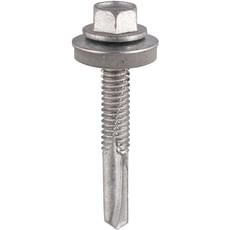
- EPDM Washer: Ethylene Propylene Diene Monomer rubber sealing washer bonded to the screw head, providing weatherproof compression seals for roofing and cladding applications exposed to the elements.
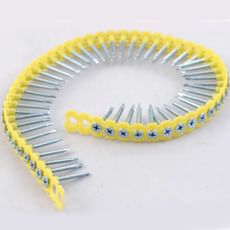
- Collated Screws: Screws connected in strips or coils for use with automatic screw guns, dramatically increasing installation speed on repetitive applications like plasterboard fixing.
Who Uses Self Drilling Screws?
- Roofing Contractors: Fixing metal roofing sheets, cladding panels, and ridge cappings to steel purlins and timber battens
- Steel Fabricators: Joining structural steel sections, connecting bracketry, and assembling metal frameworks without welding
- Drywall Installers: Rapid fixing of plasterboard to metal stud partitions using collated screws in automatic screw guns
- HVAC Engineers: Mounting ductwork, securing equipment to structural steel, and fabricating custom metalwork enclosures
- Shopfitters: Installing metal framing, racking systems, and display structures in commercial environments
- Groundworkers and Civil Engineers: Assembling formwork, connecting temporary structures, and installing drainage components
- Cladding Specialists: Fixing external wall panels, rainscreen systems, and architectural metalwork to supporting frameworks
- General Builders: Wide range of construction applications from steel lintels to window frame installation
- Agricultural Contractors: Repairing farm buildings, constructing steel-framed sheds, and maintenance of agricultural equipment
How to Choose the Right Self Drilling Screws
Material and Thickness: Match the drill point to your substrate. Light-section steel (up to 1.2mm) requires finer points, whilst heavy-section steel (3mm+) demands more aggressive cutting geometries. Timber-to-steel applications need hybrid designs combining wood threads with metal-penetrating points.
Head Style: Countersunk heads provide flush finishes for overlapping panels and aesthetic requirements. Hex heads with integral washers distribute loads across larger areas, preventing pull-through in thin materials. Pan heads offer high clamping forces for structural connections. Wafer heads minimise surface protrusion on plasterboard.
Corrosion Protection: Zinc plating suits dry internal environments. Stainless steel (A2 or A4 grade) provides superior corrosion resistance for coastal locations, wet environments, or chemical exposure. EPDM-washered variants create weatherproof seals on external roofing and cladding.
Length and Diameter: Screw length should penetrate through the top material and engage at least three full threads in the substrate. Diameter selection balances shear strength requirements against the risk of splitting thin materials or over-stressing connections.
Drive Type: Phillips and Pozi drives suit manual installation. Hex heads allow higher torque application using impact drivers and sockets, essential for heavy structural work. Ensure your power tools have appropriate driver bits before purchasing.
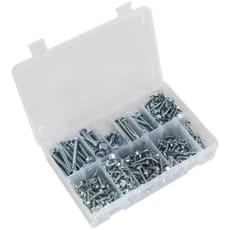
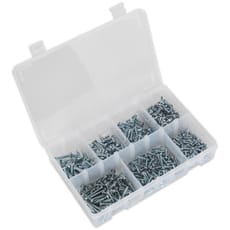
Quantity Requirements: Assortment packs offer variety for diverse small-scale work, whilst bulk boxes provide economy on large projects. Calculate quantities based on fixing centres specified in structural calculations or manufacturer guidelines, adding 10% wastage allowance.
Popular Accessories
- Magnetic Driver Bits: Phillips, Pozi, and hex bit sets that hold screws securely during positioning and driving
- Impact Drivers and Screw Guns: Power tools specifically designed for high-speed screw installation
- Collated Screw Gun Attachments: Auto-feed magazines for rapid plasterboard and decking applications
- Socket Sets: Deep sockets for hex head screws, compatible with cordless impact wrenches
- Drill-Driver Combo Kits: Versatile cordless tools handling both drilling and driving operations
- Screw Organisers and Storage: Compartmented boxes keeping different sizes and types separated on site
- Safety Glasses: Essential PPE protecting against metal swarf and debris during drilling operations
- Work Gloves: Cut-resistant gloves protecting hands when handling sharp screw points and metal edges
Safety Information
Always wear appropriate safety glasses or face protection when installing self drilling screws, as the drilling action generates sharp metal swarf that can cause eye injuries. The high-speed rotation of power drivers creates projectile risks if screws slip or shatter, particularly when working with hardened materials or driving at awkward angles.
Ensure cordless tools are properly maintained with charged batteries and functioning clutch mechanisms to prevent over-torquing that can strip threads, snap screws, or cause the tool to twist unexpectedly. When working at height installing roofing or cladding, maintain three points of contact and use appropriate access equipment complying with HSE working at height regulations.
Metal swarf is extremely sharp and easily embeds in skin. Wear suitable work gloves and clear debris regularly to prevent cuts. When drilling through coated or treated metals, work in well-ventilated areas as frictional heat can release harmful fumes from certain protective coatings.
Frequently Asked Questions
What's the difference between self drilling and self tapping screws?
Self drilling screws feature an integrated drill bit point that cuts through materials without pre-drilling. Self tapping screws require a pilot hole but cut their own mating thread as they're driven. Self drilling screws combine both functions, drilling the hole and forming the thread in one operation.
Can I use self drilling screws in stainless steel?
Standard self drilling screws struggle with stainless steel due to its hardness and work-hardening properties. Specialist stainless steel drilling screws with carbide-tipped points are available for this application, though pre-drilling is often more reliable for austenitic grades.
Do I need different screws for different steel thicknesses?
Yes, absolutely. The drill point geometry must match the material thickness. Light-section points (suitable for steel up to 1.2mm) will break when drilling heavier gauge material, whilst heavy-section points may wander or enlarge holes excessively in thin sheet.
Why do some screws have washers attached?
Bonded EPDM washers serve two purposes: they distribute clamping loads across a larger area preventing pull-through in thin materials, and they create weatherproof compression seals essential for roofing and external cladding applications exposed to wind-driven rain.
How many screws do I need for roofing sheets?
Typical fixing centres for profiled metal roofing are every second corrugation at supports (approximately 300-400mm centres) with additional fixings at eaves, ridges, and laps. A standard 1000mm wide sheet on 1.2m purlin centres requires approximately 15-20 screws. Always follow manufacturer specifications and structural calculations.