

Service Tools & Reset keys

Pay in 3 interest-free payments on purchases from £20-£3000 with  . Learn more.
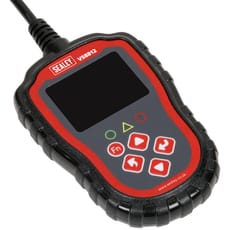
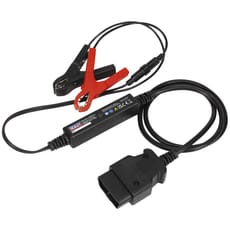
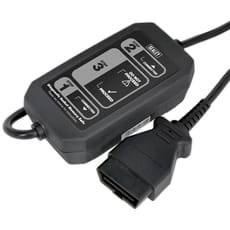
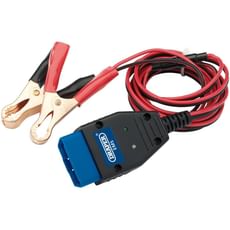
 Loading...
End of content
Error - No more pages to load
About Service Tools & Reset Keys
Service tools and reset keys are essential diagnostic and maintenance equipment designed to help automotive technicians, mobile mechanics, and vehicle enthusiasts safely work on modern vehicles equipped with sophisticated electronic systems. These specialist tools allow you to read diagnostic trouble codes, maintain electrical memory during battery disconnection, and reset service indicators without causing data loss or requiring costly dealer intervention. From EOBD code readers to memory savers, this category encompasses the critical equipment needed to service today's computer-controlled vehicles efficiently and professionally.
Modern vehicles rely heavily on electronic control units (ECUs) that monitor everything from engine performance to safety systems. When working on these vehicles, particularly during battery replacement or electrical repairs, maintaining power to these systems is crucial to prevent the loss of radio codes, seat positions, and other stored settings. Memory savers and diagnostic socket devices provide a safe, continuous power supply during such work, whilst EOBD code readers enable you to quickly identify fault codes and diagnose issues without expensive diagnostic equipment. Whether you're a professional technician working in a busy workshop or a skilled DIY enthusiast maintaining your own vehicle, these tools provide essential functionality at a fraction of dealer diagnostic costs.
The service tools available at Tooled-Up.com include trusted brands like Sealey and Draper, manufacturers renowned for producing reliable automotive diagnostic and service equipment. These tools are designed to work with the standardised EOBD (European On-Board Diagnostics) system fitted to all petrol vehicles sold in the EU since 2001 and diesel vehicles since 2004, ensuring broad compatibility across makes and models. With proper service tools and reset keys, you can maintain vehicles to professional standards whilst saving time and avoiding the inconvenience of lost vehicle settings.
Jargon Buster
- EOBD (European On-Board Diagnostics) - A standardised diagnostic system mandated across all vehicles sold in Europe from 2001 (petrol) and 2004 (diesel) onwards. EOBD monitors emissions-related systems and stores fault codes that can be read via a standard 16-pin diagnostic socket, usually located under the dashboard.
- DTC (Diagnostic Trouble Code) - Alphanumeric codes generated by a vehicle's ECU when a fault is detected. These codes help identify specific issues within vehicle systems, allowing technicians to diagnose problems quickly and accurately without guesswork.
- Memory Saver - A device that maintains electrical power to a vehicle's electronic systems whilst the battery is disconnected. This prevents loss of radio codes, seat positions, window calibrations, and other stored settings that would otherwise require reprogramming.
- ECU (Electronic Control Unit) - A computerised module that controls specific vehicle systems such as engine management, transmission, or ABS. Modern vehicles contain multiple ECUs that communicate via data networks and store operational parameters.
- OBD-II Socket - The standardised 16-pin diagnostic connector found on all EOBD-compliant vehicles. This socket provides access to vehicle systems for diagnostic reading and also supplies power for memory-saving devices during servicing.
- Service Reset - The process of clearing service interval indicators after maintenance has been completed. Many modern vehicles require specific tools or key sequences to reset oil service lights and inspection reminders.
Who Uses Service Tools & Reset Keys?
- Mobile Mechanics - conducting diagnostics and repairs at customer locations without dealer-level equipment
- Independent Garages - providing affordable diagnostic and service work on a wide range of vehicle makes
- Fleet Maintenance Teams - servicing company vehicles and managing preventative maintenance schedules
- MOT Testing Stations - diagnosing emissions-related faults and service requirements
- Auto Electricians - specialists working on vehicle electrical systems requiring memory protection during repairs
- Car Enthusiasts and DIYers - maintaining their own vehicles and diagnosing issues without dealer visits
- Agricultural and Plant Mechanics - working on modern machinery with EOBD-compliant engines
- Recovery Services - diagnosing breakdown causes roadside before recovery
- Vehicle Body Shops - maintaining electrical system integrity during bodywork and repairs
How to Choose the Right Service Tools & Reset Keys
Vehicle Compatibility: Ensure the tool is compatible with EOBD/OBD-II systems and covers the specific makes and models you'll be working on. Whilst EOBD is standardised across European vehicles, some tools offer extended manufacturer-specific functions that may be beneficial for specialist work.
Functionality Requirements: Consider whether you need a basic code reader to identify fault codes or a more advanced diagnostic device with live data streaming and the ability to clear codes. Memory savers come in different configurations – some plug directly into the diagnostic socket whilst others connect via the cigarette lighter or directly to the battery terminals.
Power Source for Memory Savers: Memory-saving devices typically operate from a separate 9V or 12V power source. Some use standard 9V batteries, whilst others connect to an auxiliary battery or mains adapter. Consider which power source is most practical for your working environment and the duration of typical jobs.
Display and Interface: For code readers, a clear backlit display is essential for working in poorly lit areas under dashboards. Consider whether you need printout capability or PC connectivity for record-keeping, particularly important for professional workshops maintaining service histories.
Build Quality and Brand Reputation: Professional-grade tools from manufacturers like Sealey and Draper offer reliability and longevity essential for daily workshop use. Robust construction ensures tools withstand the demanding garage environment and provide consistent performance over years of service.
Compliance and Updates: Verify that diagnostic tools comply with current EOBD standards and check whether firmware updates are available to maintain compatibility with newer vehicle systems as standards evolve.
Popular Accessories
- Replacement Batteries - spare 9V batteries for battery-powered memory savers to ensure continuous operation
- Extension Cables - diagnostic socket extensions for easier access in tight spaces or awkward dashboard locations
- Mains Power Adapters - 12V mains adapters for powering memory savers during extended repair work
- Diagnostic Software - PC-based diagnostic programmes offering enhanced functionality and detailed reporting
- Battery Terminal Connectors - alternative connection methods for memory savers when socket access is restricted
- Protective Cases - storage cases protecting diagnostic equipment from workshop hazards and keeping accessories organised
- Multimeters and Test Equipment - complementary electrical testing tools for comprehensive vehicle diagnostics
- Workshop Manuals - technical documentation and code reference guides for interpreting diagnostic results
Safety Information
Electrical Safety: Always ensure ignition is switched off before connecting or disconnecting diagnostic equipment unless specifically instructed otherwise. Never disconnect a vehicle battery with the engine running, as this can cause severe damage to the alternator and electronic systems.
Memory Saver Usage: When using memory-saving devices, ensure the power source provides stable voltage within the specified range. Incorrect voltage can damage sensitive electronic control units. Never rely solely on a memory saver to maintain critical safety system settings – always verify all systems are functioning correctly after reconnecting the main battery.
Working Environment: Use diagnostic equipment in well-ventilated areas away from potential ignition sources, particularly when working on fuel systems. Ensure adequate lighting when working under dashboards to prevent eye strain and ensure proper connection to diagnostic sockets.
Data Security: Be aware that accessing vehicle diagnostic systems may reveal or potentially alter stored data. Only use diagnostic tools if you understand their functions and potential consequences. Some functions may affect vehicle warranty coverage if used incorrectly.
Frequently Asked Questions
Will a memory saver work on my vehicle?
Memory savers are compatible with most EOBD-equipped vehicles manufactured from 2001 onwards for petrol and 2004 onwards for diesel. They work by maintaining power through either the diagnostic socket or directly to the electrical system, preserving stored settings during battery disconnection. Check your vehicle handbook to confirm EOBD socket location and compatibility.
Can I use a code reader to turn off the engine management light?
Whilst code readers can clear diagnostic trouble codes and turn off warning lights, this should only be done after the underlying fault has been repaired. Simply clearing codes without fixing the problem will result in the light returning, and may prevent you from identifying serious issues that could cause vehicle damage or MOT failure.
Do I need different tools for different car manufacturers?
Basic EOBD code readers work across all makes and models with the standardised system. However, some manufacturer-specific functions like service resets, coding, and advanced diagnostics may require brand-specific tools or enhanced diagnostic equipment. For general fault code reading and memory saving during battery changes, universal EOBD tools from Tooled-Up are suitable for all compliant vehicles.
How long can I leave the battery disconnected with a memory saver fitted?
This depends on the power source of your memory saver. Battery-powered devices using 9V batteries typically provide power for 30-60 minutes – adequate for most battery changes. Mains-powered memory savers can maintain power indefinitely, making them suitable for extended electrical repairs or overnight work.
Are these tools suitable for commercial vehicles and vans?
Yes, provided the commercial vehicle is EOBD-compliant (generally vehicles under 3.5 tonnes gross weight). Larger commercial vehicles may use different diagnostic standards, so always verify compatibility before purchase. The diagnostic socket location may differ from passenger cars, but the connection and functionality remain standardised across EOBD-equipped vehicles.