

Shears
Pay in 3 interest-free payments on purchases from £30-2000 with  . Learn more.
 Loading...
End of content
Error - No more pages to load
About Shears
Shears represent an essential category of cutting tools spanning both manual and powered options designed for precision cutting across diverse materials. From traditional hand shears for fabric and gardening through to professional-grade power shears for metal fabrication, this versatile tool family serves tradespeople and DIY enthusiasts across numerous applications. Power shears utilise electric or battery-driven motors to deliver consistent cutting force through sheet metal, plastics, corrugated materials and tough substrates, whilst manual variants provide portable, economical solutions for lighter cutting tasks.
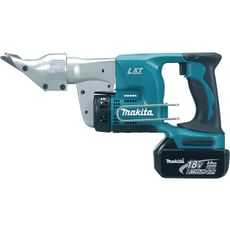
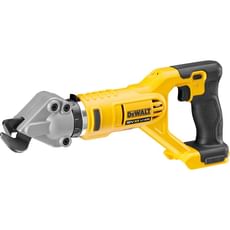
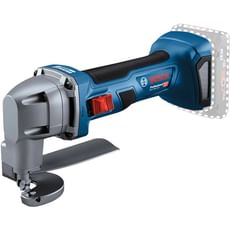
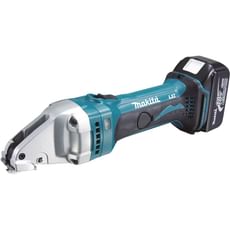
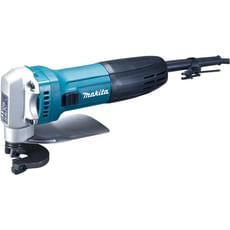
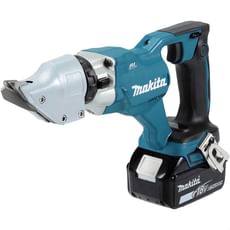
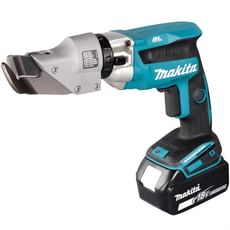
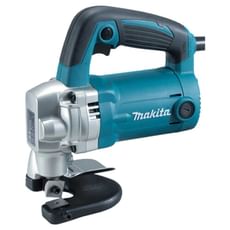
Modern powered shears available at Tooled-Up.com range from compact 3.6V cordless cutters ideal for fabric and soft materials through to robust 18V brushless systems capable of slicing through 1.6mm mild steel and heavier gauge metals. Professional metal shears feature various head configurations including straight shears for linear cuts, offset designs that improve visibility and clearance, and swivel head models offering 360-degree rotation for curved cutting applications. Contemporary designs incorporate tool-free blade changing systems, variable speed controls, and ergonomic grips that reduce fatigue during extended operation.
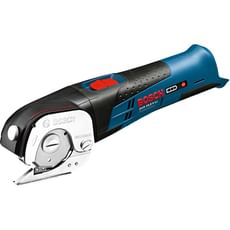
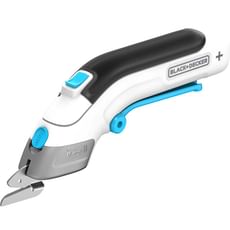
Beyond standard metal shears, the category encompasses specialist configurations including universal shears with nibbler action for corrugated materials, rotary cutters for fabric and flexible substrates, and multi-purpose cutting tools suited to diverse applications. Premium cordless models from manufacturers like Makita, DeWalt and Bosch Professional feature brushless motor technology delivering extended runtime and longevity, whilst entry-level options from brands such as Black and Decker provide excellent value for occasional users tackling home improvement projects.
Jargon Buster
- Offset Shears: Metal shears with the cutting head positioned below the motor body, providing superior visibility of the cutting line and allowing the tool to glide across flat workpieces without the motor housing obstructing material or sight lines.
- Swivel Head: A rotating mechanism enabling the cutting blades to pivot up to 360 degrees, allowing users to cut intricate curves, circles and complex profiles without constantly repositioning the tool or material.
- Cutting Capacity: The maximum material thickness the shears can cut effectively, typically measured in millimetres for mild steel. Professional models usually handle between 1.2mm and 2.0mm depending on material hardness and type.
- Strokes Per Minute (SPM): The number of cutting strokes the blades execute per minute, typically ranging from 1,400 to 2,600 SPM. Higher speeds generally produce cleaner cuts but may reduce precision control on detailed work.
- Nibbler Action: A cutting mechanism that removes small crescents of material with each stroke, common in universal shears. This produces a kerf (cut width) of approximately 4-6mm but eliminates distortion and warping of the surrounding material.
- Brushless Motor: Advanced motor technology eliminating carbon brushes for improved efficiency, extended runtime per battery charge, and significantly longer tool lifespan with virtually no maintenance requirements.
Who Uses Shears?
Professional tradespeople and DIY enthusiasts across numerous sectors rely on shears for efficient material cutting:
- Roofers and Cladding Specialists: Cutting metal roofing sheets, flashing, guttering, fascia trim and corrugated materials on site
- HVAC Engineers: Fabricating and modifying ductwork, cutting sheet metal for ventilation systems and air conditioning installations
- Metal Fabricators: Precision cutting of steel, aluminium and other metals in workshops and manufacturing environments
- Automotive Body Repair Technicians: Trimming replacement panels, modifying body parts and cutting through vehicle metalwork during restoration projects
- Electricians: Cutting cable tray, metal conduit and electrical enclosures during installation work
- Shopfitters and Joiners: Working with metal frames, aluminium sections and mixed materials in commercial fit-out projects
- Agricultural and Fencing Contractors: Cutting corrugated sheeting, mesh and metal panels for building and repair work
- Upholsterers and Soft Furnishing Professionals: Precision fabric cutting using rotary cutters and cordless scissors
- Carpet Fitters: Accurate cutting of carpet, vinyl and underlay materials
- DIY Enthusiasts: Home improvement projects involving guttering installation, garage repairs, fabric crafts and metalwork modifications
How to Choose the Right Shears
Material Type and Application
Identify your primary cutting requirements before selecting shears. Power metal shears suit sheet metal, roofing materials and fabrication work, whilst rotary cutters and cordless scissors handle fabric, leather, cardboard and flexible materials. Universal shears with nibbler action offer versatility across corrugated sheets and mixed materials, though at the expense of a wider kerf.
Power Source and Voltage
Cordless models at 3.6V provide lightweight portability for fabric and soft material cutting with minimal user fatigue. Models at 12V offer excellent manoeuvrability for lighter-duty metalwork and overhead cutting, whilst 18V systems deliver greater cutting capacity and sustained power for demanding professional applications. Corded 240v shears provide unlimited runtime for workshop use but restrict mobility on site. Consider whether you're working within existing battery platforms like Makita LXT or DeWalt XR to maximise battery interchangeability across your tool collection.
Cutting Capacity and Head Configuration
Match the shears' cutting capacity to your typical material thickness—most professional models handle 1.2-1.6mm mild steel comfortably. Straight shears suit general cutting tasks and work in confined spaces, offset models provide better visibility and access when cutting large flat sheets, whilst swivel head shears excel at curved and circular cuts. The Tooled-Up range includes various configurations to suit different trade requirements.
Motor Technology
Brushless motors deliver approximately 50% longer runtime per charge, require virtually no maintenance, and provide greater longevity than brushed equivalents. For professional daily use, the premium for brushless technology quickly pays dividends through reduced downtime and extended tool life. DIY users working occasionally may find brushed motor models offer adequate performance at lower initial cost.
Ergonomics and Weight
Shears weighing under 1.5kg reduce fatigue during extended use, particularly for overhead work or repetitive cutting operations. Look for rubberised grips, well-balanced designs, and conveniently positioned switches. Variable speed triggers provide better control when starting cuts or working with different materials, whilst lock-on buttons enable comfortable continuous operation during lengthy tasks.
Blade Quality and Availability
Replaceable blades are consumables requiring periodic changing. Check that replacement blades are readily available and reasonably priced for your chosen model—Tooled-Up stocks blade sets for popular brands including Makita and Bosch Professional. Higher-quality blades maintain sharpness longer and deliver cleaner cuts. Tool-free blade changing systems significantly reduce downtime during busy jobs.
Popular Accessories
- Replacement Blade Sets: Essential consumables including centre blades and side blades specific to your shear model. Professional users should maintain spare sets to avoid work interruptions when blades become dull or damaged.
- Additional Battery Packs: Extra batteries ensure continuous operation throughout the working day. Higher capacity (4.0Ah-5.0Ah) batteries extend runtime but add weight, whilst 2.0-3.0Ah packs offer better power-to-weight ratios for overhead work.
- Cutting Lubricants: Specialist lubricants reduce friction, extend blade life and improve cut quality, particularly when working with stainless steel, aluminium or other challenging materials.
- Safety Equipment: Cut-resistant gloves conforming to EN388 protect against sharp metal edges and burrs, whilst safety glasses meeting EN166 shield eyes from metal fragments generated during cutting operations.
- Carry Cases and Storage: Protective storage cases keep shears and accessories organised whilst preventing damage during transportation between jobs and storage in vans.
- Workbenches and Clamps: Secure workholding equipment enables safer, more accurate cutting, particularly for detailed work requiring both hands on the tool.
- Cutting Mats: Self-healing cutting mats protect work surfaces and provide measurement grids for accurate fabric and material cutting with rotary cutters.
Safety Information
Power shears generate sharp metal fragments and swarf that pose significant eye injury risks. Always wear appropriate safety glasses or face shields conforming to EN166 standards when operating metal shears. Cut-resistant gloves meeting EN388 standards protect hands from sharp material edges, though ensure gloves don't compromise grip or dexterity. When using fabric cutters, maintain awareness of blade position relative to your fingers at all times.
The cutting action produces burrs and sharp edges on cut materials—handle freshly cut metal with care and deburr edges promptly. When working with coated or painted metals, ensure adequate ventilation as cutting can release potentially harmful particles or fumes. Maintain awareness that metal swarf can be hot immediately after cutting and may cause burns. Follow HSE guidance regarding appropriate PPE for your specific work environment, particularly when working in confined spaces or at height.
Always disconnect batteries or unplug corded 240v models before changing blades or performing maintenance. Worn or damaged blades should be replaced immediately as they compromise cutting quality and increase the risk of tool kickback or loss of control. Ensure workpieces are properly secured before cutting—hand-holding sheet metal whilst cutting significantly increases injury risk. Be mindful of your hand position relative to the cutting path and never reach across the cutting line.
When working overhead, take regular breaks to prevent fatigue-related accidents and ensure secure footing at all times. Store shears safely with blade guards fitted where applicable, and keep tools away from children. When using rotary cutters for fabric, always cut away from your body and keep fingers clear of the blade path.
Frequently Asked Questions
What's the difference between metal shears and nibblers?
Metal shears cut material using a scissor-like action with minimal material removal, producing cuts approximately 2-3mm wide with clean edges. Nibblers (or universal shears with nibbler action) remove small crescents of material with each stroke, creating a kerf of 4-6mm but generating less distortion in the surrounding material. Nibblers excel at corrugated materials and tight curves, whilst standard shears provide faster, cleaner cuts in flat sheet metal and straight line work.
Can I cut stainless steel with standard metal shears?
Whilst most quality metal shears can cut thin stainless steel (typically up to 0.8-1.0mm), the material's hardness significantly reduces blade life and demands more power than equivalent mild steel. For regular stainless steel work, verify your chosen shears explicitly support this application and maintain sharp blades. Using cutting lubricant substantially improves performance and extends blade longevity when working with stainless steel and other hard materials.
How often should I replace shear blades?
Blade life varies tremendously based on material type, thickness and cutting frequency. Professional tradespeople cutting daily may replace blades monthly, whilst occasional users might achieve years of service. Replace blades when you notice increased effort required to cut, rougher cut edges, or distortion of the material. Dull blades strain the motor, reduce battery life and compromise cutting quality, so regular replacement actually proves more economical than extending blade life excessively.
Are cordless shears powerful enough for professional use?
Modern 18V cordless shears with brushless motors deliver performance rivalling corded 240v models for the vast majority of professional applications. They typically handle 1.2-1.6mm mild steel continuously throughout a full battery charge, with 5.0Ah batteries providing sufficient runtime for a typical working day. The mobility and convenience benefits usually outweigh the marginal power advantage of corded models, though workshop-based users working with maximum thickness materials continuously may still prefer corded options.
What's the advantage of offset versus straight shears?
Offset shears position the cutting head below the motor body, allowing the tool to rest flat against the workpiece whilst providing clear visibility of the cutting line. This design proves particularly valuable when cutting large sheets laid flat or following marked lines precisely. Straight shears align the head with the motor body, offering better balance for vertical cuts and working in confined spaces. Many professionals maintain both configurations for different applications, though offset models generally provide greater versatility for sheet metal work.