

Shovels
Pay in 3 interest-free payments on purchases from £30-2000 with  . Learn more.
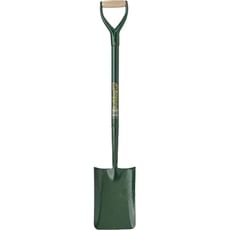
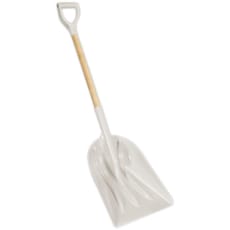
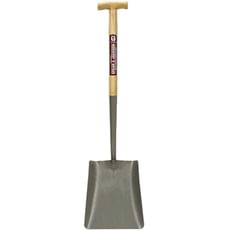
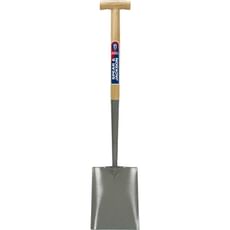
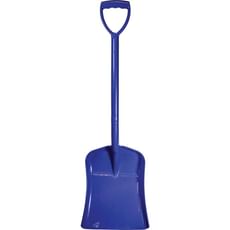
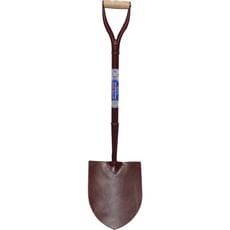
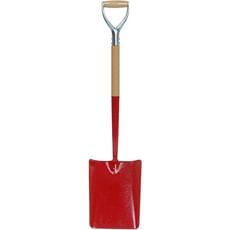
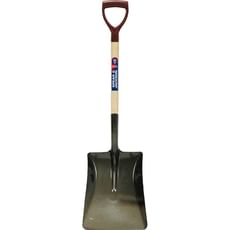
 Loading...
End of content
Error - No more pages to load
About Shovels
Shovels are essential digging and material-handling tools used across numerous trades and applications, from groundworks and landscaping to agriculture and general site maintenance. Whether excavating trenches for cable laying, moving bulk materials, or preparing ground for construction projects, choosing the right shovel makes a significant difference to efficiency and user comfort. Modern shovels combine ergonomic design with durable materials to withstand the demanding conditions of professional use whilst minimising operator fatigue during extended digging tasks.
The selection available from Tooled-Up.com encompasses a comprehensive range of shovel types, including trenching shovels for narrow excavations, round mouth shovels for digging and scooping, square mouth shovels for moving loose materials, and grafting shovels for precision work. Construction varies from traditional all-steel designs offering maximum durability through to fibreglass-handled models that provide excellent strength-to-weight ratios and electrical insulation properties. Specialist options include folding shovels for portability, insulated shovels for work near electrical services, and plastic shovels for handling certain chemicals or working in spark-sensitive environments.
Professional-grade shovels feature forged or tempered blades that resist bending and maintain their edge through heavy use, whilst handle designs range from traditional wooden shafts with YD or T-grips through to modern composite materials. Tooled-Up stocks trusted brands including Spear and Jackson, Bulldog, Faithfull, Draper, and Roughneck, ensuring tradespeople have access to reliable tools that deliver consistent performance across diverse working conditions.
Jargon Buster
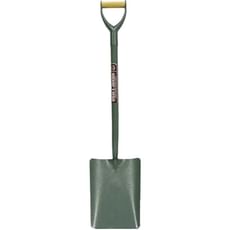
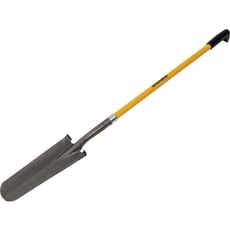
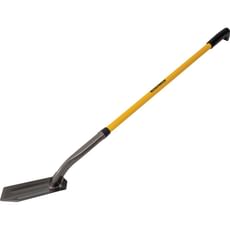
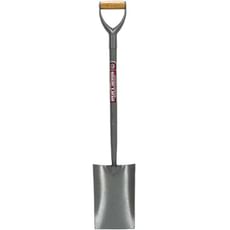
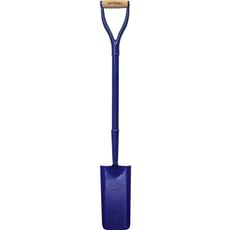
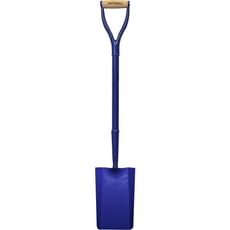
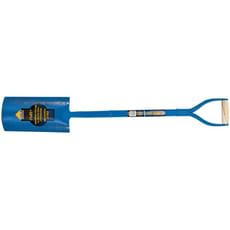
- Trenching Shovel: A narrow-bladed shovel specifically designed for digging deep, narrow trenches typically used when laying cables, pipes, or drainage systems. The compact blade width allows for precise excavation without unnecessary soil disturbance.
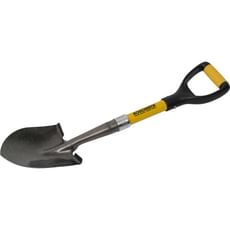
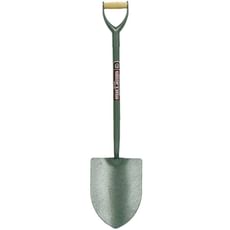
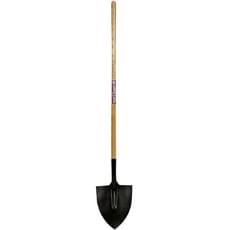
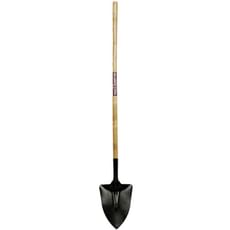
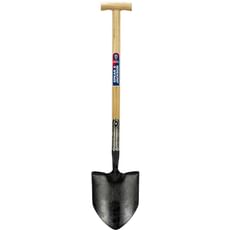
- Round Mouth Shovel: Features a curved, pointed blade ideal for breaking ground, digging into compacted soil, and penetrating harder surfaces. The rounded profile concentrates force at the tip for effective penetration.
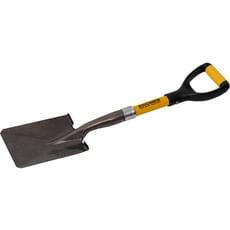
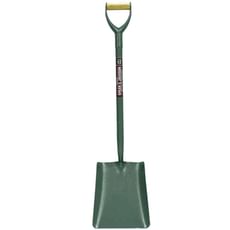
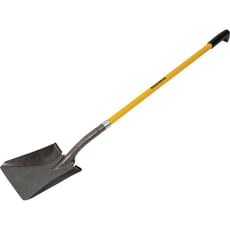
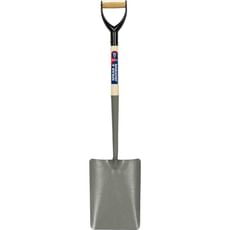
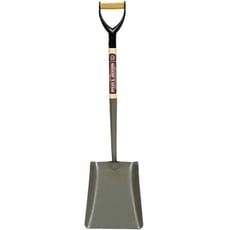
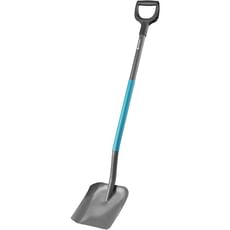
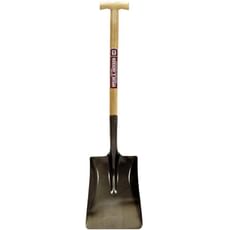
- Square Mouth Shovel: Also known as a scoop shovel, this design features a flat, straight-edged blade perfect for moving loose materials such as sand, gravel, soil, or snow. Not intended for digging but excellent for material transfer.
- MYD Handle: Metal YD handle - a solid steel shaft with a Y-shaped or D-shaped grip, often incorporating a wooden cross dowel for improved comfort and grip during use.
- Solid Forged: Manufacturing process where the blade and socket are formed from a single piece of steel, creating a stronger, more durable tool compared to welded constructions. Forged shovels withstand heavy-duty applications better.
- Grafting Shovel: A specialised shovel with a smaller, pointed blade designed for precision digging tasks, transplanting, and working in confined spaces where standard shovels would be too cumbersome.
Who Uses Shovels?
Shovels are indispensable tools across numerous trades and applications:
- Groundworkers and Excavation Contractors: For digging foundations, trenches, and general earthmoving tasks on construction sites
- Landscapers and Gardeners: Soil preparation, planting, turf laying, and general garden maintenance work
- Electricians and Cable Layers: Digging trenches for underground cabling, particularly using insulated models near live services
- Plumbers and Drainage Engineers: Excavating for pipe installation, septic systems, and drainage work
- General Builders and Site Workers: Material handling, mixing, and various site preparation tasks
- Agricultural Workers and Farmers: Mucking out, soil management, and general farm maintenance
- Local Authorities and Highways Maintenance: Road repairs, pavement work, and general council maintenance operations
- DIY Enthusiasts and Homeowners: Garden projects, home improvements, and general property maintenance
How to Choose the Right Shovels
Blade Type and Application: Select the blade shape based on your primary task. Round mouth shovels excel at breaking ground and digging, square mouth designs suit material moving, whilst trenching shovels are essential for cable laying and narrow excavations. Consider whether you need a pointed blade for penetration or a flat edge for scooping.
Handle Material and Construction: All-steel shovels offer maximum durability for heavy-duty applications but add weight. Fibreglass handles provide excellent strength-to-weight ratios with vibration damping properties and electrical insulation. Traditional wooden handles offer comfort and easy replacement but may deteriorate with prolonged moisture exposure. Consider whether insulated handles are necessary for work near electrical services.
Handle Length and Grip Style: Longer handles provide greater leverage for digging but may be cumbersome in confined spaces. YD and T-grip handles offer better control and reduced hand fatigue compared to straight shafts. Assess your typical working environment and whether manoeuvrability or leverage is more important.
Blade Size and Weight: Larger blades move more material per scoop but require greater physical effort. Professional users working extended periods often prefer mid-sized blades that balance capacity with fatigue reduction. Mini shovels suit confined spaces and precision work.
Build Quality and Brand Reputation: Solid forged construction outlasts welded designs, particularly under heavy use. Tempered blades maintain their edge and resist bending. Established brands like Bulldog, Spear and Jackson, and Faithfull offer proven reliability backed by warranties.
Specialist Requirements: Consider whether you need folding shovels for transport and storage, plastic shovels for chemical handling or spark-free environments, or specialist patterns for specific trades such as grafting shovels for horticultural work.
Popular Accessories
- Replacement Handles: Wooden or fibreglass shafts for extending tool life when handles break or deteriorate
- Work Gloves: Heavy-duty protective gloves to prevent blisters and improve grip during extended digging
- Tool Storage Solutions: Wall-mounted racks, site boxes, and tool organisers for safe storage and transport
- Pickaxes and Mattocks: Complementary digging tools for breaking hard ground before shovelling
- Wheelbarrows and Dumpers: Essential for moving excavated material efficiently around site
- Marking Paint and Measuring Tapes: For accurate trench marking and excavation planning
- Spades and Edging Tools: Related digging implements for different cutting and lifting tasks
- PPE Equipment: Steel toe cap boots, high-visibility clothing, and back support belts for safe working
Safety Information
Manual Handling Considerations: Shovelling involves repetitive movements and lifting that can cause musculoskeletal injuries if performed incorrectly. Always bend at the knees rather than the back, keep loads close to your body, and avoid twisting whilst holding loads. Take regular breaks during extended digging to prevent fatigue-related injuries. Consider your physical capabilities and use mechanical excavation equipment for substantial earthmoving projects.
Underground Services: Before digging, always check for underground utilities including electricity cables, gas pipes, water mains, and telecommunications infrastructure. Contact the relevant utility companies or use cable detection equipment. When working near known services, use insulated shovels and hand-dig carefully rather than using mechanical equipment. The HSE provides guidance on avoiding underground services during excavation work.
Tool Maintenance: Keep blades clean and free from soil build-up to prevent additional weight and strain. Check handles regularly for cracks, splinters, or looseness. Tighten any loose connections and replace damaged handles immediately to prevent tool failure during use. Store shovels in dry conditions to prevent rust and handle deterioration.
Personal Protective Equipment: Wear appropriate PPE including steel toe cap boots to protect against dropped tools or material, work gloves to prevent blisters and improve grip, and high-visibility clothing when working on construction sites or near traffic. Consider back support if undertaking extended digging work.
Frequently Asked Questions
What's the difference between a shovel and a spade?
Whilst often used interchangeably, shovels typically have curved or scooped blades designed for moving and lifting loose material, whereas spades feature flat, straight blades optimised for cutting and slicing through soil. Shovels generally have a slight dish to the blade and are better suited to scooping, whilst spades excel at edging, dividing plants, and creating clean vertical cuts.
Why would I need an insulated shovel?
Insulated shovels feature non-conductive fibreglass or composite handles that provide protection when working near underground electrical cables or live services. Whilst not a substitute for proper cable detection and safe digging practices, insulated handles add an extra layer of protection for electricians, cable layers, and groundworkers who regularly excavate near electrical infrastructure.
How do I maintain my shovel to extend its working life?
Clean the blade after each use to prevent soil build-up and corrosion. Apply a light coating of oil to steel blades during storage, particularly over winter. Check handle integrity regularly and tighten any loose connections. Sharpen the blade edge periodically using a file to maintain cutting efficiency. Store in a dry location away from ground moisture, ideally hanging rather than standing to prevent handle rot.
What size shovel do I need for trenching work?
Standard trenching shovels feature blades approximately 190mm to 200mm wide and 280mm to 300mm long - narrow enough for cable trenches whilst providing sufficient capacity. This size allows precise excavation without unnecessary ground disturbance whilst still moving reasonable amounts of spoil. Mini trenching shovels are available for confined spaces or very narrow excavations.
Are plastic shovels suitable for professional use?
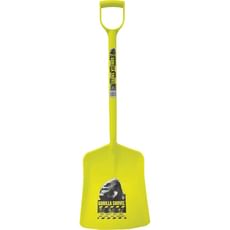
Plastic or polypropylene shovels serve specific professional applications rather than general digging. They're ideal for handling certain chemicals that would corrode metal, working in spark-sensitive environments where metal tools pose ignition risks, and food processing or pharmaceutical applications requiring non-contaminating tools. However, they lack the durability and penetration capability of steel shovels for regular excavation work.