
Side Cutters

Pay in 3 interest-free payments on purchases from £20-£3000 with  . Learn more.
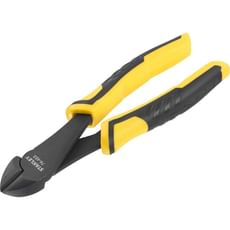
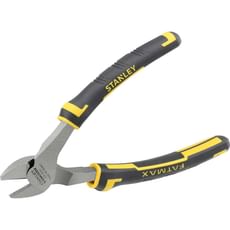
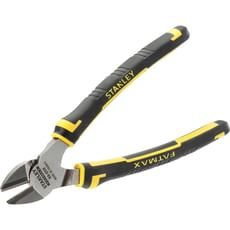
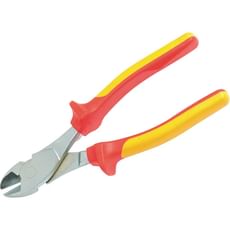
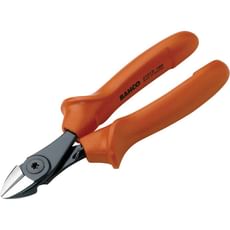
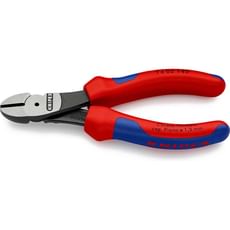
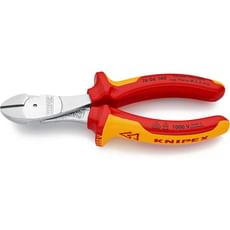
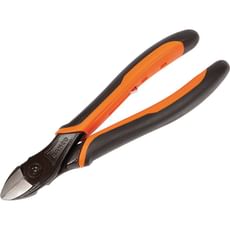
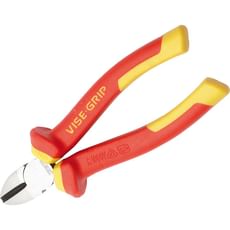
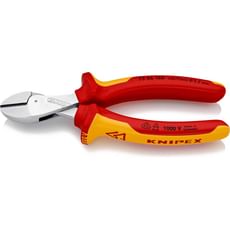
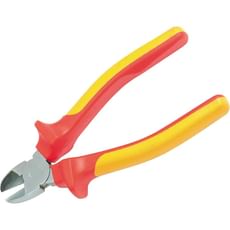
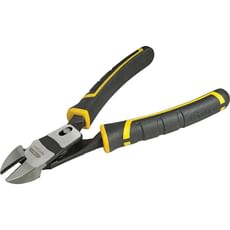
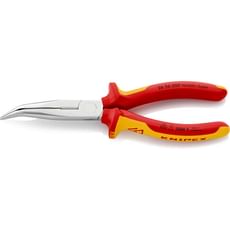
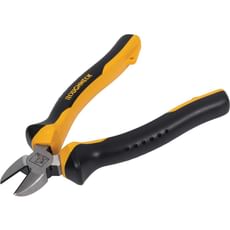
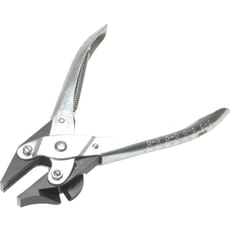
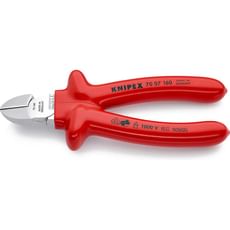
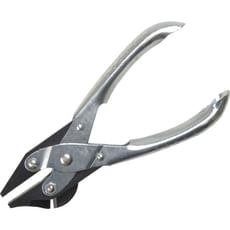
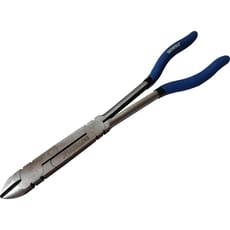
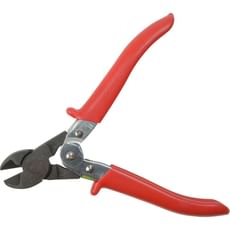
Loading...
End of content
Error - No more pages to load
About Side Cutters
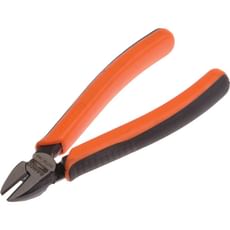
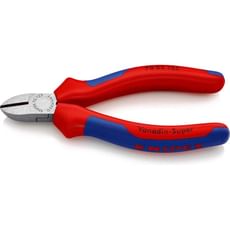
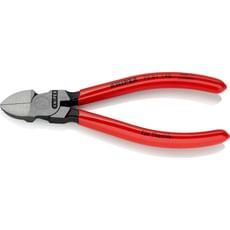
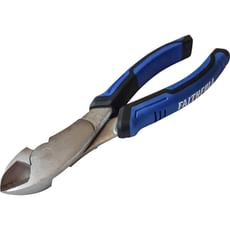
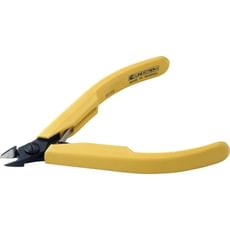
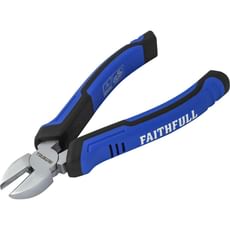
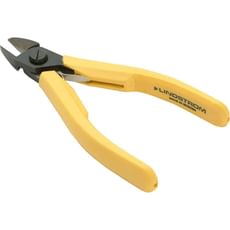
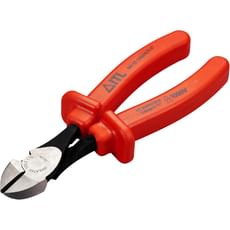
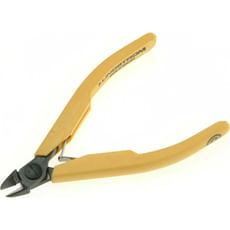
Side cutters, also known as diagonal cutting pliers or flush cutters, are essential hand tools designed for cutting wire, cable, small fasteners, and other materials at close quarters. Unlike standard pliers that grip and manipulate, side cutters feature sharp, angled cutting jaws that allow clean cuts flush to a surface or in tight spaces where conventional tools cannot reach. The cutting action happens at the side of the tool rather than at the tip, giving these pliers their distinctive name and making them indispensable for electrical work, electronics assembly, jewellery making, and general maintenance tasks.
Tooled-Up.com stocks a comprehensive range of side cutters from leading manufacturers including Knipex, Bahco, DeWalt, Bosch Professional, and Facom. The selection spans from precision electronics nippers with ultra-fine tips for delicate circuit board work, through to heavy-duty compound action models capable of cutting thick steel wire and cable. Many professional-grade side cutters feature ergonomic handles with soft-grip coatings for reduced hand fatigue during extended use, whilst VDE-insulated versions provide essential protection when working on live electrical installations up to 1000V.
Modern side cutters incorporate advanced metallurgy and design features that significantly outperform basic models. Induction-hardened cutting edges maintain their sharpness through thousands of cuts, whilst precision-ground jaws ensure clean cuts without crushing or deforming the material. Spring-loaded handles automatically open the jaws after each cut, increasing work speed and reducing repetitive strain. Whether you're stripping cables on a building site, assembling control panels, or carrying out precision electronics work, having the right side cutters makes all the difference to both productivity and cut quality.
Jargon Buster
- Flush Cut: A cutting edge ground at an angle that allows cuts to be made completely flat against a surface, leaving no protruding wire end. Essential for electronics work and finishing tasks.
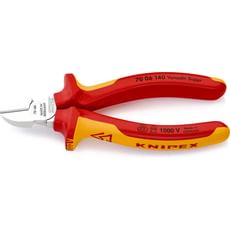
- VDE Insulated: Tools certified to meet strict German VDE standards for electrical insulation, tested to 10,000V and rated for safe use on live circuits up to 1000V. Identified by distinctive red and yellow handles.
- Compound Action: A leverage mechanism that multiplies cutting force through a series of pivots and joints, allowing easier cutting of thicker or harder materials with less hand pressure.
- HRC Rating: Hardness measurement on the Rockwell C scale. Side cutter edges typically range from 58-62 HRC, with higher numbers indicating harder, longer-lasting cutting edges that resist dulling.
- Progressive Cutting Edge: Jaws designed with varying cutting radii along their length, allowing hard materials to be cut near the joint where leverage is greatest, whilst softer materials can be cut at the tip.
- Induction Hardening: A heat treatment process that hardens only the cutting edges of the tool, leaving the body softer and less prone to brittle failure whilst maintaining exceptional edge retention.
Who Uses Side Cutters?
Side cutters are used daily by a diverse range of trades and professions:
- Electricians and electrical contractors for cutting and stripping cable, trimming cable ties, and general electrical installation work
- Electronics engineers and technicians for precision component lead trimming and circuit board assembly
- Automotive mechanics for cutting wire, cable ties, and removing damaged fasteners
- Maintenance engineers across industrial, commercial, and facilities management sectors
- Plumbers and heating engineers for cutting copper wire and small fixings
- Jewellers and craft professionals for precision wire cutting in fine metalwork
- Musical instrument technicians for cutting and manipulating strings and wire components
- Network and telecommunications installers for cable preparation and installation
- DIY enthusiasts and homeowners for general household repairs and projects
- Model makers and hobbyists for cutting plastic and metal components
How to Choose the Right Side Cutters
Size and Cutting Capacity: Side cutters typically range from 115mm mini cutters for electronics work up to 200mm heavy-duty models. Check the manufacturer's specifications for maximum cutting capacity in different materials – copper wire, steel wire, and cable all have different ratings. Match the tool size to your typical workpiece dimensions.
Cutting Edge Type: Standard side cutters leave a small pointed end on the cut wire, whilst flush-cut models produce a completely flat cut. Electronics work demands flush cutters, whilst general electrical installation can use either type. Some models feature semi-flush edges as a compromise between cutting ability and finish quality.
Insulation Requirements: When working on or near live electrical installations, VDE-insulated side cutters are essential and often legally required. These tools are individually tested and certified for protection up to 1000V. The Tooled-Up range includes VDE models from Bahco, Bosch Professional, and DeWalt that meet stringent European safety standards.
Handle Design: Ergonomic handles with soft-grip coatings reduce hand fatigue and improve control, particularly important for tradespeople using the tool throughout the day. Spring-loaded handles automatically open the jaws, speeding up repetitive cutting tasks. Consider two-component handles that combine cushioning with structural strength for the best balance of comfort and durability.
Edge Hardness and Quality: Professional-grade cutters feature induction-hardened edges typically rated at 60-62 HRC, providing excellent edge retention even when cutting piano wire and other hard materials. Budget tools often use softer steel that dulls quickly. Brands like Knipex, Bahco, and Facom are renowned for edge quality that justifies their premium pricing through extended service life.
Leverage Mechanism: For cutting thicker materials regularly, compound action or high-leverage designs multiply your hand force, making cuts easier and reducing strain. Standard pivot designs are lighter and more compact but require more hand pressure for equivalent cutting capacity.
Popular Accessories
- Tool Belts and Pouches: Keep side cutters accessible and protected whilst working at height or moving between tasks
- Wire Strippers: Complementary tool for removing insulation before cutting cables to length
- Long-Nose Pliers: Partner tool for gripping and manipulating wire in conjunction with cutting operations
- Cable Ties and Fixings: Consumables that side cutters are frequently used to trim and cut
- Tool Rolls and Storage Cases: Protect cutting edges and keep multiple pliers organised
- Voltage Testers: Essential safety equipment when using VDE-insulated cutters on electrical work
- Cutting Oil or Lubricant: Maintains pivot action and prevents rust on premium tools
- Replacement Springs: Available for spring-loaded models to maintain automatic jaw opening
Safety Information
Electrical Work: Always use properly certified VDE-insulated side cutters when working on or near live electrical circuits. Standard side cutters offer no electrical protection and must never be used on energised conductors. Verify that insulation is intact before each use, checking for cracks, cuts, or damage to the coating. Even with insulated tools, always isolate circuits and verify they are dead using a proven voltage tester before commencing work, following HSE guidance on electrical safety.
Eye Protection: Always wear safety glasses when using side cutters, as cut wire ends can fly off at high speed, particularly when cutting under tension. Spring-loaded materials like piano wire or guitar strings pose particular risk of eye injury.
Cutting Capacity: Never exceed the manufacturer's stated cutting capacity for different materials. Attempting to cut material that's too thick or too hard will damage the cutting edges, potentially causing the jaws to chip or the tool to slip, risking hand injury. Use bolt cutters or cable cutters for materials beyond side cutter capacity.
Hand Position: Keep fingers clear of the cutting area and maintain a firm grip on both handles during cutting. Worn or oily handles can slip, causing loss of control. Replace tools with damaged handles or loose pivot joints.
Material Awareness: When cutting cables or wires under tension, ensure the cut ends are controlled to prevent whipping or recoil injuries. Be aware that cutting hardened materials like piano wire or spring steel generates more force than copper wire.
Frequently Asked Questions
What's the difference between side cutters and end cutters?
Side cutters (diagonal cutters) have angled cutting jaws positioned at the side of the tool, allowing flush cuts against surfaces and work in confined spaces. End cutters have jaws at the very tip of the tool, providing better access in extremely tight spots but typically offering less cutting capacity and leverage. Side cutters are more versatile for general electrical and maintenance work.
Can I sharpen side cutters when they become dull?
Whilst technically possible, sharpening side cutters is rarely practical or advisable. The cutting edges are precisely ground to specific angles and induction-hardened to 60+ HRC, making them extremely difficult to sharpen without specialised equipment. Improper sharpening will alter the cutting geometry and potentially remove the hardened layer, ruining the tool. Quality side cutters from brands like Knipex or Bahco available at Tooled-Up maintain their edges for years with proper use.
Are VDE-insulated side cutters necessary for all electrical work?
VDE-insulated tools are legally required under UK health and safety regulations when working on live electrical installations or where circuits cannot be fully isolated and verified as dead. Even when working on isolated circuits, many professional electricians prefer VDE tools as an additional safety margin. For low-voltage electronics work (under 50V) or completely de-energised installations, standard side cutters are acceptable, though insulated tools provide extra peace of mind.
Why do some side cutters have a much higher price than others?
Premium side cutters justify their cost through superior materials, precision manufacturing, and longevity. High-end brands use better steel alloys with harder, longer-lasting cutting edges (typically 60-62 HRC versus 55-58 HRC for budget tools), more precise machining for tighter pivot tolerances and better cutting alignment, and ergonomic handle designs that reduce fatigue. A quality pair of Knipex or Bahco side cutters can outlast five or more budget alternatives whilst delivering consistently cleaner cuts throughout their service life.
How do I maintain my side cutters for longest life?
Never exceed the rated cutting capacity for different materials, as this is the primary cause of premature edge damage. Keep the pivot joint clean and occasionally apply a drop of light machine oil to maintain smooth action. Store tools in a dry environment to prevent rust, and avoid dropping them on hard surfaces, which can misalign the jaws or damage cutting edges. For spring-loaded models, replace the spring when it weakens to maintain proper jaw action. Clean cutting edges after use to remove wire fragments and corrosive materials.