

Site & Truck Chests

Pay in 3 interest-free payments on purchases from £20-£3000 with  . Learn more.

 Loading...
End of content
Error - No more pages to load
About Site & Truck Chests
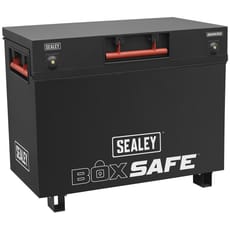
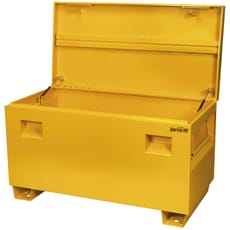
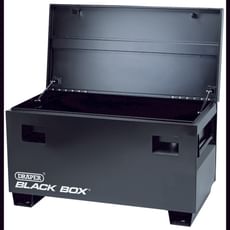
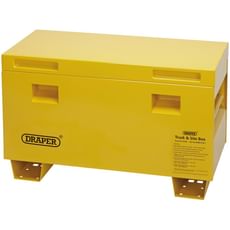
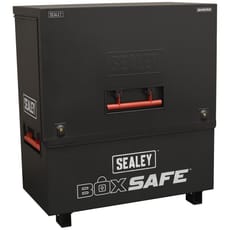
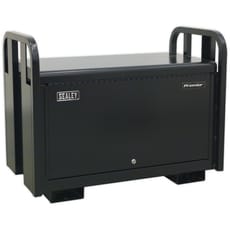
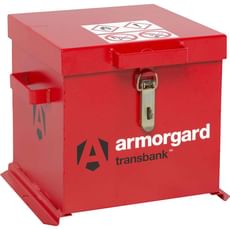
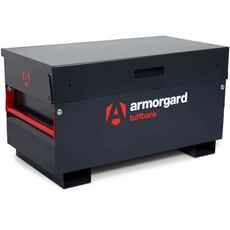
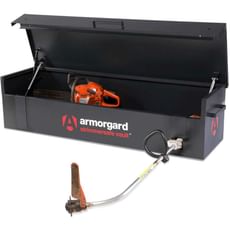
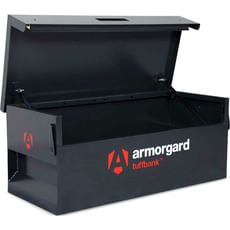
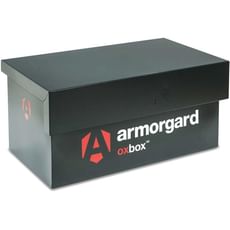
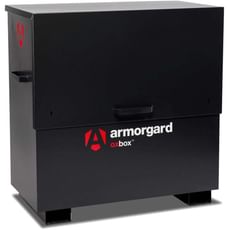
Site and truck chests are heavy-duty storage solutions designed to protect valuable tools and equipment from theft, weather damage, and site hazards. These robust security boxes are built to withstand the demanding conditions of construction sites, workshops, and vehicle-based operations, featuring reinforced steel construction, high-security locks, and weather-resistant seals. Available in various sizes and configurations, site chests range from compact van boxes to large mobile units with wheels for easy transport around worksites.
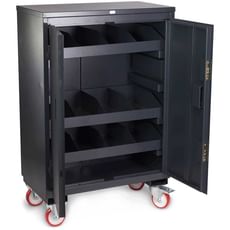
The selection at Tooled-Up.com includes specialist storage solutions such as secure tool vaults, mobile fittings cabinets, and truck-mounted boxes from leading manufacturers including Armorgard, Van Vault, and Sealey. These products are engineered to meet the needs of tradespeople who require portable security, whether storing power tools overnight on site, transporting equipment between jobs, or organising fixings and fittings in a mobile workshop. Many models feature advanced security measures including five-point locking systems, reinforced hasps, and solid steel construction that meets insurance requirements.
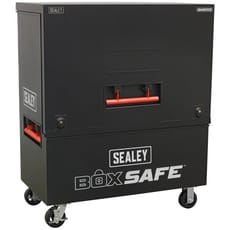
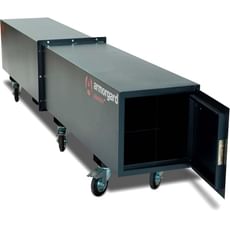
Modern site and truck chests incorporate practical features beyond basic security, including internal divider systems for organisation, gas-assisted lid stays for safe opening, and weatherproof seals to protect contents from rain and moisture. Mobile models often include heavy-duty castors or wheels that can be raised and lowered, allowing units to be moved easily when required then locked down for static security. Specialist variants such as drum stores, cutting stations with integrated storage, and bi-fold fittings cabinets provide tailored solutions for specific trades and applications.
Jargon Buster
- Five-Point Locking System: A high-security mechanism where the locking action engages bolts at five points around the lid or door perimeter, making forced entry extremely difficult and providing enhanced protection against crowbar attacks.
- Gas-Assisted Stays: Spring-loaded hydraulic arms that control the opening and closing of heavy lids, preventing sudden drops and making single-handed operation safer and easier, particularly important for large capacity chests.
- Wheel-Drop System: Retractable castors or wheels that can be lowered for mobility around sites then raised to allow the chest to sit flat on the ground, creating a stable, secure static unit that's harder to move or steal.
- Weather Seals: Rubber gaskets fitted around lid edges that prevent water ingress and dust penetration, keeping contents dry and protected in outdoor environments and during transport.
- Hasp and Staple: External heavy-duty metal fittings designed to accept padlocks, providing an additional security layer and allowing users to fit their own high-security padlock or insurance-approved lock.
- Sold Secure Rating: An independent testing certification indicating the level of attack resistance, with ratings from Bronze to Diamond, often required by insurers for covering high-value tool collections.
Who Uses Site & Truck Chests?
- Construction Site Managers: Securing tools and equipment overnight on active building sites and managing shared tool stores
- Mobile Tradespeople: Electricians, plumbers, and heating engineers who travel between jobs and need secure vehicle-based storage
- Groundworkers and Landscapers: Protecting equipment left on outdoor sites where security facilities are limited
- Shopfitters and Joiners: Storing power tools, fixings, and materials securely during fit-out projects
- Plant Hire Companies: Securing equipment and accessories at rental depots and customer sites
- Maintenance Contractors: Managing tools across multiple sites and facilities
- Facilities Management Teams: Storing equipment securely in commercial buildings and public spaces
- Agricultural Workers: Protecting tools and equipment on farms and rural locations
- Event and Festival Contractors: Securing equipment during temporary installations and outdoor events
How to Choose the Right Site & Truck Chests
Size and Capacity: Consider the volume and dimensions of tools you need to store. Measure your largest items including power tool cases, and ensure adequate internal height for standing power tools or equipment. Mobile tradespeople may prioritise compact van boxes, whilst site-based operations might require large-capacity chests. Factor in future tool acquisitions to avoid outgrowing your storage quickly.
Security Level: Match the security specification to your insurance requirements and the value of contents. Look for solid steel construction (minimum 2mm thickness), reinforced lids, concealed hinges, and quality locking mechanisms. High-value tool collections may require Sold Secure certified units. Consider whether you need additional padlock hasps for supplementary security or specific insurance compliance.
Mobility Requirements: Determine whether you need a static box, a fully mobile unit with wheels, or a hybrid with a wheel-drop system. Site-based storage benefits from large wheels for moving across rough ground, whilst truck-mounted boxes should have secure fixing points. Consider handle positions and whether you'll be moving the chest solo or with assistance.
Weather Protection: For outdoor use or vehicle transport, weatherproof construction is essential. Check for continuous weather seals around openings, drainage channels to shed water, and rust-resistant powder coating. Units stored permanently outdoors need superior weather resistance compared to those in covered vehicles or compounds.
Organisation Features: Internal dividers, removable trays, and compartmentalised sections help maintain tool organisation, particularly useful for fittings cabinets and multi-trade applications. Tooled-Up stocks various divider kits and organisers that can be added to basic chests for improved functionality.
Vehicle Compatibility: For truck and van installations, measure your load space carefully and consider access points. Some boxes are designed specifically for vehicle beds with mounting provisions, whilst others suit general-purpose use. Check weight capacities for vehicle loading and whether you need tie-down points for secure transport.
Popular Accessories
- Divider Kits: Customisable internal partition systems for organising different tool types and preventing damage from movement
- Additional Padlocks: High-security padlocks and close-shackle models rated for outdoor use and insurance compliance
- Shelf Systems: Removable or fixed shelving to create multi-level storage within larger chests
- Security Chains and Ground Anchors: Additional theft deterrents for permanently sited or high-risk locations
- Replacement Wheels and Castors: Heavy-duty upgrade or replacement wheels for mobile units
- Tool Foam Inserts: Custom-cut foam organisation systems for protecting expensive power tools
- Weather Covers: Additional tarpaulin or fitted covers for extreme weather protection
- Security Bars: Reinforcement bars that prevent lid opening even if locks are compromised
Safety Information
Manual Handling: Site and truck chests are heavy items, with larger models weighing over 100kg before loading. Always use appropriate manual handling techniques or mechanical assistance when moving empty chests. Once loaded with tools, use wheeled mobility features rather than lifting, and ensure multiple persons assist with vehicle loading operations.
Lid Operation: Heavy lids can cause crush injuries if they fall unexpectedly. Always ensure gas-assisted stays are functioning correctly before use, and never allow children near open chests. When gas struts weaken with age, replace them immediately rather than propping lids open with makeshift supports.
Securing on Vehicles: Truck-mounted chests must be properly secured using appropriate fixings and tie-down points to prevent movement during transit. Unsecured loads present serious safety hazards and legal implications. Check fixing integrity regularly, particularly after travelling on rough terrain.
Hazardous Materials Storage: Check manufacturer guidance before storing flammable liquids, gas cylinders, or hazardous substances in site chests. Some materials require specialist COSHH-compliant storage solutions rather than standard tool boxes, particularly for site-based storage covered by HSE regulations.
Frequently Asked Questions
Are site chests insurance-approved for high-value tools?
Many site and truck chests meet insurance requirements, but specific approval depends on your insurer's criteria and the security rating of the chest. Look for Sold Secure certified products and check with your insurance provider regarding their minimum security standards. Generally, solid steel construction with five-point locking and concealed hinges meets most insurers' requirements for site storage, though high-value collections may need additional measures like ground anchors or compound storage.
Can I leave a site chest outdoors permanently?
Quality site chests from manufacturers like Armorgard and Van Vault are designed for outdoor use with weather-resistant construction, but longevity improves with some protection. Continuous weather seals and powder-coated finishes provide good weather resistance, though positioning under cover where possible extends lifespan. Regularly check and maintain weather seals, drain any water accumulation, and consider additional ground anchoring for permanent installations to prevent theft.
What's the difference between a site chest and a truck box?
Whilst both provide secure tool storage, truck boxes are specifically designed for vehicle mounting with fixing provisions and dimensions suited to pickup beds or van floors. Site chests prioritise ground-based security with features like wheel-drop systems for static stability and often include larger capacities for multiple trades. Many products function effectively in both roles, offering versatile storage that works on sites and in vehicles.
How do I maintain the locks and hinges on my storage chest?
Regular maintenance prevents lock failures and ensures longevity. Lubricate locks every few months with graphite powder or dedicated lock lubricant—avoid oil-based products that attract dust. Keep hinge points clean and apply light machine oil periodically. Check gas-assisted stays annually for proper operation and replace when they lose pressure. Clean weather seals to maintain flexibility and effectiveness, and touch up any paint damage to prevent rust development.
What capacity site chest do I need for a two-person trade team?
A typical two-person electrical or plumbing team requires approximately 800-1200 litres of secure storage to accommodate power tools, hand tools, consumables, and testing equipment. This translates to a large site chest around 1200mm wide or multiple smaller units for different tool categories. Consider your specific tool inventory—trades using large equipment like pipe benders or cutting stations need greater capacity than finish trades with mainly hand tools and small power tools.