

Slate Cutters

Pay in 3 interest-free payments on purchases from £20-£3000 with  . Learn more.
 Loading...
End of content
Error - No more pages to load
About Slate Cutters
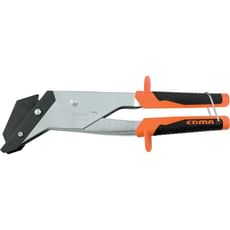
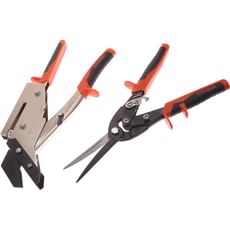
Slate cutters are specialised hand tools designed to cut and shape natural slate tiles for roofing and cladding applications. These precision tools enable roofers and slaters to trim slate to exact dimensions on site, creating clean, straight cuts without the need for power tools or expensive cutting equipment. Available in plier-action and guillotine designs, slate cutters deliver consistent results when working with natural slate up to 7mm thick, making them essential equipment for traditional roofing work.
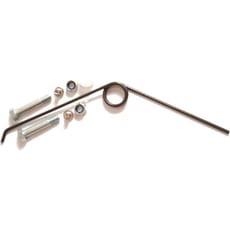
The selection at Tooled-Up.com includes professional-grade manual slate cutters from leading manufacturers such as Edma, Faithfull, and Roughneck. Plier-action models feature spring-loaded handles for reduced hand fatigue during repetitive cutting, whilst guillotine-style slate cutters provide enhanced leverage for thicker materials. Many professional slate cutters incorporate integrated punch mechanisms, allowing tradespeople to create fixing holes in a single operation without switching between tools. Replacement blades, service kits, and repair components ensure these durable tools can be maintained for years of reliable service.
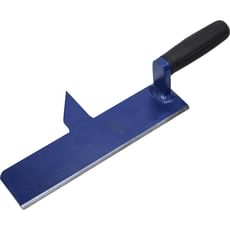
Beyond basic cutting functions, Tooled-Up stocks specialist slate working tools including left and right-handed slaters' axes for traditional trimming and shaping work. Accessories such as universal punches and blade replacements keep slate cutters operating at peak performance, whilst premium models offer cutting lengths up to 35mm per single pressure application. Whether for heritage restoration projects, new-build roofing installations, or slate cladding work, these tools provide the precision and reliability that professional slaters demand.
Jargon Buster
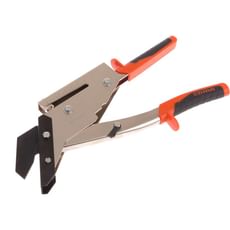
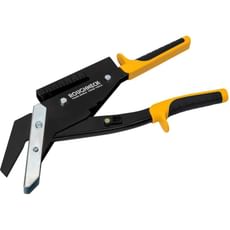
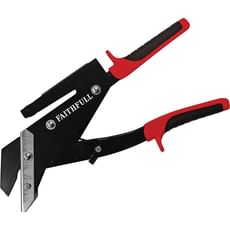
- Plier-Action Cutter: A handheld slate cutter with scissor-like handles that applies shearing force to cut slate. Features spring-loaded return mechanisms for faster operation and reduced hand strain during extended use.
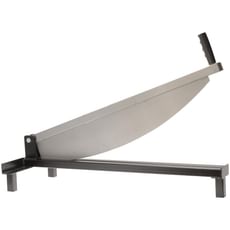
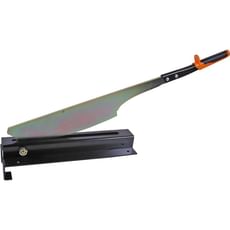
- Guillotine Cutter: A bench-mounted or larger handheld slate cutting tool that uses a downward blade action against a fixed edge. Provides greater cutting capacity and leverage for thicker slate tiles and high-volume work.
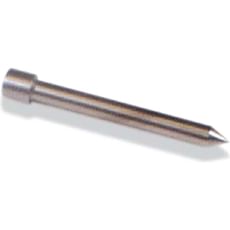
- Slate Punch: An integrated or separate tool feature that creates fixing holes in slate for nails or screws. Professional models typically produce 3.2mm (1/8in) diameter holes suitable for standard slate fixings.
- Cutting Length: The maximum distance a slate cutter can cut in a single operation, typically measured in millimetres. Professional models offer 35mm cutting lengths, requiring multiple cuts for wider slate tiles.
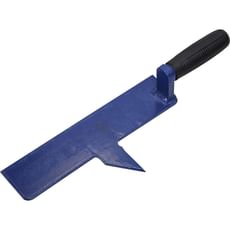
- Slaters' Axe: A traditional hand tool combining a cutting edge, pointed pick, and sometimes a nail-pulling claw. Available in left and right-handed configurations to suit different working positions and user preferences.
- Spring-Loaded Handles: A mechanism that automatically returns cutter handles to the open position after each cut, reducing repetitive strain and increasing cutting speed during prolonged use.
Who Uses Slate Cutters?
- Roofers and Slaters: Professional tradespeople specialising in slate roof installation, repair, and maintenance work on residential, commercial, and heritage buildings.
- Heritage Restoration Specialists: Craftspeople working on listed buildings and conservation projects where traditional natural slate must be cut and shaped using appropriate methods.
- Roofing Contractors: General roofing businesses that undertake slate roofing projects alongside other roofing materials and require versatile cutting tools for site work.
- Building Contractors: Main contractors and construction firms involved in new-build projects specifying natural slate for roofing or external cladding applications.
- Property Maintenance Teams: Local authority maintenance departments, housing associations, and estate management companies responsible for maintaining slate-roofed properties.
- Landscape Gardeners: Professional landscapers using slate for decorative garden features, pathways, and water features requiring precision cutting and shaping.
- DIY Enthusiasts: Competent home improvers tackling shed roofing projects, garden structures, or small-scale roof repairs using natural slate materials.
How to Choose the Right Slate Cutters
Cutting Mechanism: Plier-action cutters suit mobile roofing work where portability matters most, whilst guillotine models provide superior leverage for high-volume cutting or thicker slate. Consider whether you need integrated punch functionality for creating fixing holes without tool changes.
Cutting Capacity: Verify the maximum slate thickness the cutter can handle—most professional models cut slate up to 7mm thick. Check the cutting length per operation, as this determines how many cuts are needed for wider tiles and affects productivity on larger projects.
Build Quality and Durability: Professional-grade slate cutters from established brands like Edma and Faithfull offer replaceable blades and serviceable components. Look for hardened cutting edges, robust spring mechanisms, and reinforced pivot points that withstand the repetitive forces of slate cutting.
Ergonomics and Comfort: Spring-loaded handles significantly reduce hand fatigue during extended use. Consider handle length and grip design, particularly if you'll be making hundreds of cuts per day. Models with cushioned grips provide additional comfort during cold weather roofing work.
Replacement Parts Availability: Choose slate cutters with readily available service kits, replacement blades, and repair components. Tooled-Up stocks genuine spare parts for major brands, ensuring your tools can be maintained rather than replaced when consumable components wear.
Additional Features: Some professional models include adjustable cutting guides for repetitive cuts to identical dimensions, whilst others offer interchangeable punch sizes for different fixing requirements. Assess which features align with your typical slate working applications.
Popular Accessories
- Replacement Blades: Hardened steel replacement cutting edges compatible with specific slate cutter models, essential for maintaining clean, precise cuts as original blades wear.
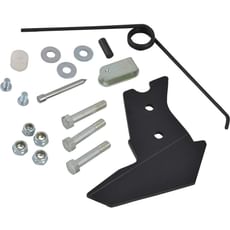
- Service Kits: Comprehensive maintenance packages containing springs, pivot pins, and hardware to restore slate cutters to optimal operating condition.
- Universal Punches: Interchangeable punch components in various diameters for creating fixing holes to suit different nail and screw sizes in slate roofing work.
- Slaters' Axes: Traditional hand tools for trimming, shaping, and notching slate, available in left and right-handed versions to complement mechanical slate cutters.
- Repair Kits: Manufacturer-specific replacement components for extending the working life of professional slate cutting tools through preventative maintenance.
- Board Carriers: Single-handed carrying systems for transporting slate tiles safely around roofing sites without damage to edges or corners.
- Measuring and Marking Tools: Steel rules, chalk lines, and marking pencils for accurate measurement and cutting layout on natural slate materials.
Safety Information
Always wear safety glasses or goggles when cutting slate, as the cutting action can produce sharp fragments and dust particles that pose eye injury risks. Slate dust contains crystalline silica, so work in well-ventilated areas and consider respiratory protection when cutting large quantities, particularly in enclosed workshop environments. Refer to HSE guidance on silica dust exposure for prolonged or regular slate working activities.
Inspect slate cutters before use, checking that blades are securely fastened, springs function correctly, and handles show no signs of cracking or damage. Sharp cutting edges demand careful handling—always store slate cutters with blade guards or in toolboxes where they won't cause accidental cuts. Maintain a firm grip during cutting operations and keep fingers clear of the cutting mechanism and slate edges, which can be extremely sharp.
When working at height on roofing projects, ensure slate cutters are tethered or stored securely to prevent dropped tool incidents. Replace worn or damaged blades promptly, as blunt cutting edges require excessive force and can cause the tool to slip unpredictably. Follow manufacturer servicing recommendations to maintain safe operating condition throughout the tool's working life.
Frequently Asked Questions
Can slate cutters be used on other materials besides natural slate?
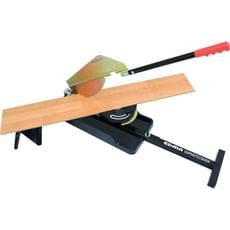
Whilst designed specifically for natural slate, many slate cutters can handle similar brittle materials including certain tiles and laminates. However, cutting harder materials will accelerate blade wear. Some Edma models are specifically designed for multi-material use, including laminate and MDF applications alongside slate cutting.
How often should slate cutter blades be replaced?
Blade lifespan depends on usage intensity and slate hardness, but professional roofers typically replace blades after several hundred cuts or when cutting quality deteriorates. Signs include ragged edges, increased cutting force required, or slate cracking rather than cutting cleanly. Genuine replacement blades are available from Tooled-Up for major brands.
What's the difference between left and right-handed slaters' axes?
The blade orientation is reversed to suit the user's dominant hand and working position on the roof. Right-handed axes are designed for use in the right hand with the blade angled appropriately, whilst left-handed versions accommodate left-handed users, ensuring safe and efficient trimming regardless of handedness.
Do I need different slate cutters for different slate thicknesses?
Most professional slate cutters handle slate up to 7mm thick, covering the majority of roofing applications. Thicker architectural slate may require guillotine-style cutters with greater leverage. Check the manufacturer's specifications for maximum cutting capacity before purchasing to ensure compatibility with your typical slate dimensions.
Are manual slate cutters better than power tools for slate work?
Manual slate cutters offer several advantages for roofing work: no power source required, lighter weight for working at height, quieter operation, and lower risk of overheating slate. They provide excellent control for precision work and are more economical for occasional use. Power cutters suit high-volume workshop applications but create more dust and require 240v supply or battery management on site.