

Soil Scoops
Pay in 3 interest-free payments on purchases from £30-2000 with  . Learn more.
 Loading...
End of content
Error - No more pages to load
About Soil Scoops
Soil scoops are essential hand tools designed for efficient handling and transfer of compost, soil, potting mix, fertiliser, and other growing media in gardening and horticultural applications. Featuring a curved or cupped metal blade attached to a comfortable handle, these practical implements allow gardeners to scoop, measure, and distribute materials with precision and control. Unlike standard garden trowels which are primarily designed for digging, soil scoops excel at moving larger quantities of loose materials quickly and cleanly, making them indispensable for potting plants, filling containers, top-dressing beds, and general garden maintenance tasks.
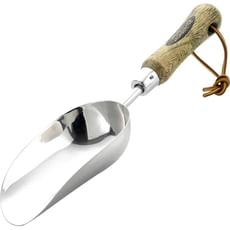
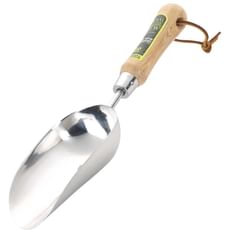
The selection at Tooled-Up.com includes high-quality soil scoops from respected manufacturers such as Spear and Jackson and the Kew Gardens Collection, which combines the horticultural expertise of the Royal Botanic Gardens at Kew with the manufacturing heritage of Britain's oldest tool makers. These professional-grade implements typically feature stainless steel heads that resist corrosion and clean easily, alongside ergonomically designed handles that reduce hand fatigue during extended use. Premium models often incorporate mirror-polished finishes that allow the scoop to slide effortlessly through dense materials whilst preventing soil adhesion.
Available in various sizes and capacities, soil scoops cater to different gardening scales from small-scale container work to larger horticultural operations. Whether you're an amateur gardener tending window boxes or a professional horticulturist managing a nursery, having a dedicated soil scoop dramatically improves efficiency when working with growing media, reducing mess and ensuring accurate measurement of materials.
Jargon Buster
- Stainless Steel Head: The working blade portion of the scoop, typically manufactured from corrosion-resistant stainless steel that won't rust when exposed to moisture and cleans easily after use.
- Mirror Polished Finish: A highly reflective surface treatment applied to the metal head that creates an ultra-smooth finish, allowing the scoop to glide through compost and soil with minimal resistance whilst preventing material from sticking to the blade.
- Neverbend: A designation used by Spear and Jackson to indicate tools manufactured to particularly high durability standards, suggesting resistance to bending or warping even under heavy use.
- Growing Media: The collective term for materials used to support plant growth, including compost, potting soil, peat-free mixes, coir, perlite, and other substrates that soil scoops are designed to handle.
- Ergonomic Handle: A grip designed with human comfort and biomechanics in mind, typically featuring contoured shapes, cushioned materials, or specific angles that reduce strain on hands, wrists, and forearms during repetitive scooping movements.
- Weatherproofing: Treatment or material selection that enables tools to withstand outdoor storage and exposure to damp conditions without deteriorating, particularly important for garden implements.
Who Uses Soil Scoops?
- Amateur Gardeners & Allotment Holders: Home enthusiasts maintaining vegetable patches, flower beds, and container gardens who need efficient tools for potting and soil management
- Professional Horticulturists: Commercial growers, nursery workers, and plant specialists who handle large volumes of growing media daily
- Landscape Gardeners: Tradespeople installing and maintaining outdoor spaces who require durable tools for soil amendment and planting work
- Groundskeepers: Maintenance staff responsible for parks, sports facilities, golf courses, and institutional grounds who perform regular plant care and bed preparation
- Garden Centre Staff: Retail employees who assist customers with plant selection, repotting services, and horticultural advice
- Greenhouse Operators: Commercial and hobby growers working in protected environments who frequently pot, transplant, and manage growing media
- Botanical Gardens & Historic Properties: Specialist horticultural teams maintaining collections and heritage landscapes to exacting standards
- Domestic DIY Enthusiasts: Homeowners tackling seasonal planting, container refreshing, and general garden improvement projects
How to Choose the Right Soil Scoops
Material Construction: Prioritise stainless steel heads over painted or coated alternatives. Stainless steel provides superior corrosion resistance, won't contaminate soil, cleans effortlessly, and maintains its functionality for years. Mirror-polished finishes offer the smoothest operation through dense materials. Check that welded joints between head and handle are robust, as this is a common failure point on cheaper tools.
Capacity and Size: Consider the scale of your typical gardening tasks. Smaller scoops (approximately 150-200mm head length) suit precision work with seedlings and small pots, whilst larger models handle bulk material movement more efficiently. Match the scoop capacity to your physical capability—a fully loaded large scoop can become surprisingly heavy when filled with wet compost.
Handle Design: Comfort matters significantly during extended use. Evaluate handle length relative to your hand size and typical working position. Contoured or cushioned grips reduce fatigue and improve control. Some designs feature hanging holes for organised storage. Wooden handles offer traditional aesthetics and good grip, whilst moulded plastic or rubber alternatives provide weather resistance and easy cleaning.
Brand Heritage: Tooled-Up stocks soil scoops from established manufacturers with proven track records. The Kew Gardens Collection represents collaboration between horticultural experts and experienced toolmakers, whilst Spear and Jackson's heritage extends back over 250 years. Established brands typically offer better quality control, material selection, and longevity compared to unbranded alternatives.
Intended Use Frequency: Occasional gardeners can achieve satisfactory results with mid-range options, but professional horticulturists and keen enthusiasts should invest in premium models with superior materials and construction that will withstand daily use across multiple seasons without degradation.
Popular Accessories
- Garden Trowels: Complementary digging tools for planting and cultivation work alongside material handling
- Hand Forks: Three or four-pronged implements for breaking up compacted soil and mixing amendments
- Compost and Growing Media: Various substrates including multi-purpose compost, ericaceous mix, and peat-free alternatives
- Garden Kneelers and Cushions: Protective equipment for comfortable working at ground level during extended potting sessions
- Plant Pots and Containers: Various sizes of terracotta, plastic, and ceramic vessels requiring filling with growing media
- Tool Storage Solutions: Garden sheds, tool racks, and hanging systems to organise and protect hand tools
- Gardening Gloves: Hand protection in various materials from lightweight nitrile-coated to heavy-duty leather
- Watering Equipment: Cans, hoses, and irrigation accessories for post-potting plant care
- Garden Sieves and Riddles: Screening tools for preparing fine-textured growing media and removing debris
- Fertilisers and Soil Amendments: Granular and liquid feeds, lime, grit, and other materials typically measured and applied with scoops
Frequently Asked Questions
What's the difference between a soil scoop and a garden trowel? Whilst both are essential hand tools, they serve different primary functions. Garden trowels feature pointed, relatively flat blades designed for digging, planting, and breaking soil. Soil scoops have deeper, curved blades specifically shaped for lifting and transferring loose materials like compost, potting mix, fertiliser, and aggregates. The scoop's cupped design holds significantly more material and prevents spillage during transfer, making it far more efficient for potting work and filling containers.
How do I maintain my soil scoop? Stainless steel soil scoops require minimal maintenance but benefit from simple care routines. After each use, remove soil residue with a stiff brush or cloth, then rinse with water if necessary. Dry thoroughly before storage to prevent any moisture-related issues with wooden handles or fixings. The mirror-polished finish can be maintained by occasionally wiping with an oily cloth. Store in a dry location, ideally hanging to prevent handle damage. Quality stainless steel tools from manufacturers like Spear and Jackson should provide years of service with this basic care.
Can soil scoops be used for other materials besides compost? Absolutely. Soil scoops are versatile implements suitable for handling numerous garden materials including gravel, grit, sand, bark chippings, fertiliser granules, potting aggregates like perlite and vermiculite, animal feeds, and even ice-melting salt in winter. The smooth stainless steel surface and curved design make them ideal for any free-flowing or loose material that needs measuring and transferring. Many gardeners also find them useful for pet care tasks, clearing snow, and general utility applications around the home and workshop.
Are expensive soil scoops worth the investment? Premium soil scoops typically feature superior materials (higher-grade stainless steel), better finishing (mirror polishing), more comfortable ergonomic handles, and stronger construction throughout. For occasional users, mid-range options may suffice, but regular gardeners, allotment holders, and professional horticulturists will appreciate the enhanced durability, improved performance through dense materials, and extended lifespan that quality tools provide. A well-made soil scoop should last decades rather than seasons, making the higher initial cost worthwhile for frequent users.
What size soil scoop should I choose for general gardening? For versatile use across typical gardening tasks, a medium-sized soil scoop with a head approximately 180-220mm in length offers the best balance between capacity and manoeuvrability. This size handles potting individual plants efficiently whilst remaining compact enough for working with smaller containers and detailed work. Those primarily working with large planters, raised beds, or commercial quantities might prefer larger models, whilst greenhouse enthusiasts working extensively with seedlings and small pots may favour more compact designs for precision control.