

Spades

Pay in 3 interest-free payments on purchases from £20-£3000 with  . Learn more.
 Loading...
End of content
Error - No more pages to load
About Spades
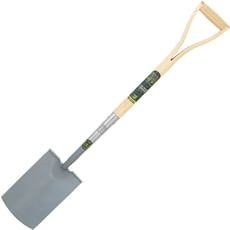
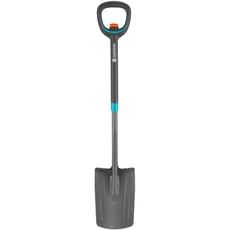
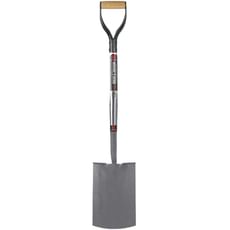
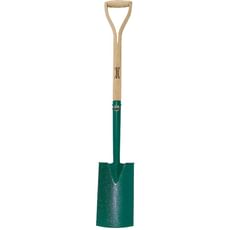
A spade is an essential digging tool designed with a flat, rectangular blade and a sharp cutting edge, making it ideal for slicing through turf, breaking new ground, and moving soil with precision. Unlike shovels, which are primarily designed for scooping and shifting loose materials, spades feature a straighter edge and flatter profile that excels at cutting cleanly through compacted earth and creating neat edges. Whether you're preparing vegetable beds, transplanting shrubs, or edging lawns, a quality spade is one of the most versatile tools in any gardener's or landscaper's arsenal.
The selection at Tooled-Up.com includes digging spades, border spades, and specialist variants from trusted manufacturers including Bulldog, Draper, Spear and Jackson, Faithfull, and Fiskars. Digging spades feature larger blades (typically around 290mm x 190mm) and longer handles, making them perfect for preparing extensive areas and heavy-duty cultivation. Border spades offer a more compact alternative with shorter handles and smaller blades (approximately 230mm x 140mm), providing better manoeuvrability in confined spaces and requiring less physical exertion—making them popular with gardeners working in established borders or those who prefer a lighter tool.
Modern spades are available in various materials and constructions to suit different applications and budgets. Solid forged carbon steel spades offer exceptional strength and durability for demanding ground conditions, while stainless steel blades provide rust resistance and easier soil release, though they're generally less robust for breaking very hard ground. Handle materials range from traditional ash wood, which offers natural shock absorption and comfortable grip, to modern fibreglass and composite materials that deliver reduced weight and weather resistance. Premium models feature tread plates or rolled edges on the blade shoulders to protect footwear during repeated stepping.
Jargon Buster
- Solid Forged: A manufacturing process where the spade head and socket are formed from a single piece of steel, creating a stronger, more durable tool without welded joints that could potentially fail under stress.
- Tread / Footplate: The turned-over edge or additional plate at the top of the spade blade that provides a flat surface for your boot when applying downward force, reducing foot fatigue and protecting footwear.
- Tang: The part of the blade that extends into the handle, critical for tool strength. A long tang running deep into the shaft creates a more durable connection than socket-only construction.
- D-Grip / T-Grip: Handle designs where D-grip features a D-shaped handle providing excellent control and leverage, while T-grip (or YD-grip) offers a straighter top bar. Personal preference often dictates choice between these designs.
- Treaded Edge: The sharpened bottom edge of the blade designed for cutting through soil and roots. Quality spades maintain this edge better and can be resharpened when necessary.
- Socket Depth: The length of the cylindrical socket that accepts the handle shaft. Deeper sockets create stronger connections and reduce the likelihood of the handle working loose or breaking at the junction.
Who Uses Spades?
- Landscapers and groundskeepers preparing sites, laying turf, and maintaining commercial and residential gardens
- Professional gardeners and horticulturalists working in private estates, botanical gardens, and public parks
- Groundworkers and civil contractors undertaking drainage work, service trenching, and site preparation
- Tree surgeons and arboriculturists transplanting specimens and preparing planting pits
- Allotment holders and keen gardeners maintaining vegetable plots and ornamental borders
- Cemetery and memorial masons preparing ground for interments and memorial installations
- Agricultural workers and smallholders maintaining farmyards, field margins, and livestock areas
- Sports ground maintenance teams repairing pitches and maintaining playing surfaces
- Conservation volunteers and estate workers undertaking habitat management and countryside maintenance
How to Choose the Right Spades
Match Size to Task and User: Consider both the application and the user's physical capabilities. Full-sized digging spades suit larger individuals tackling extensive ground preparation, whilst border spades offer easier handling in confined spaces and for users of smaller stature or those preferring a lighter tool. Handle length should allow comfortable working without excessive bending—when standing upright, the handle grip should reach approximately waist to hip height.
Blade Material Selection: Carbon steel blades provide excellent strength and edge retention for cutting through challenging ground, roots, and compacted soil, though they require maintenance to prevent rust. Stainless steel offers corrosion resistance and soil slides off more easily, making it ideal for clay soils, but these blades are generally more expensive and less suitable for extremely hard or rocky ground. Solid forged construction provides superior durability compared to pressed or welded alternatives.
Handle Material Considerations: Traditional ash handles deliver natural flexibility and shock absorption, creating a comfortable working experience, though they require occasional treatment with linseed oil. Fibreglass and composite handles offer weather resistance and reduced weight without maintenance requirements, making them popular for professional users. Tooled-Up stocks spades with various handle options to suit different preferences and working environments.
Specialist Requirements: Irish spades feature narrower blades and extended handles for increased leverage when working heavy clay or stony ground. Draining spades have particularly narrow, elongated blades designed for cleaning out trenches and drainage channels. Consider whether your typical work involves standard garden cultivation or specialist applications requiring specific blade geometries.
Build Quality Indicators: Look for treaded blade tops to protect footwear, deep socket construction for secure handle mounting, and appropriate blade thickness—heavier gauge steel resists bending but adds weight. Premium brands like Bulldog and Draper Expert ranges offer British-forged options with extended warranties, reflecting their superior construction and longevity.
Popular Accessories
- Garden forks for breaking up soil turned by the spade and incorporating organic matter
- Rakes for levelling ground and removing stones after digging
- Hand trowels and forks for detailed work in borders following spade cultivation
- Wheelbarrows and garden carts for transporting excavated soil and materials
- Kneeling pads and knee protectors for comfort during extended gardening sessions
- Work gloves to prevent blisters and improve grip, particularly important for intensive digging
- Tool maintenance products including linseed oil for wooden handles and rust prevention for blades
- Sharpening stones and files for maintaining the cutting edge of spade blades
- Garden lines and measuring tapes for marking out accurate digging areas
Safety Information
Proper Lifting Technique: When digging, use your leg muscles rather than your back by bending your knees and keeping the spine straight. Take smaller loads rather than overloading the spade, and pivot your feet when turning to deposit soil rather than twisting your spine—back injuries from incorrect digging technique are extremely common and entirely preventable.
Tool Condition: Inspect spades before use for loose handles, cracks in the shaft, or deteriorated socket connections. A handle separating from the blade during use can cause injury. Ensure the blade edge is appropriately sharp—counter-intuitively, a blunt spade requires more force and is therefore more likely to cause strain injuries or slip unexpectedly.
Underground Services: Always check for buried cables, pipes, and services before digging, particularly near buildings and boundaries. Contact the property owner and utility companies if uncertain. Use a cable detector for additional safety when working near known service routes. Striking a buried electric cable or gas pipe can have fatal consequences.
Footwear and PPE: Wear sturdy boots with good sole protection—never use a spade whilst wearing trainers or soft footwear. Steel toecap boots provide additional protection. Consider wearing work gloves to prevent blisters during extended use and safety glasses when working in areas where the spade might strike stones that could fly up.
Frequently Asked Questions
What's the difference between a spade and a shovel?
A spade has a flat, rectangular blade with a straight cutting edge designed for slicing through soil, cutting turf, and edging. A shovel typically has a curved, scooped blade designed for lifting and moving loose materials like soil, gravel, or sand. Spades excel at precision digging and breaking new ground, whilst shovels are optimised for shifting materials that have already been loosened.
Should I choose a carbon steel or stainless steel spade?
Carbon steel spades are stronger, hold a sharper edge longer, and cope better with roots and stony ground, but they require maintenance to prevent rust and are heavier. Stainless steel spades resist corrosion, shed soil more easily (particularly beneficial in clay), and weigh less, but they're more expensive and the blade can bend when forcing through very hard ground or striking large stones. For general gardening, carbon steel offers better value; for predominantly clay soil or coastal environments, stainless steel justifies the extra cost.
How do I maintain my spade to extend its lifespan?
Clean soil from the blade after each use—dried soil accelerates corrosion and blunts the edge. For carbon steel blades, apply a light coating of oil or WD-40 before storage to prevent rust. Treat wooden handles annually with linseed oil to prevent drying and splitting. Periodically check that the handle remains tight in the socket, and sharpen the blade edge with a file when it becomes noticeably blunt. Store spades in a dry location rather than leaving them outdoors.
What size spade should I buy?
Handle length is crucial—when standing the spade upright beside you, the handle grip should reach somewhere between your hip and waist for comfortable use without excessive bending. Blade size depends on both the task and your physical strength. Full-sized digging spades (around 290mm x 190mm blades) suit larger users and extensive ground preparation but can be tiring for smaller individuals or prolonged use. Border spades (approximately 230mm x 140mm) offer easier handling and are preferred by many users, sacrificing only modest capacity per stroke.
Are expensive branded spades worth the investment?
Quality spades from established manufacturers like Bulldog, Draper Expert, and Spear and Jackson typically feature superior materials, better heat treatment of the steel, deeper sockets, and more robust construction. A premium spade costing two or three times more than a budget model will often last ten times longer with proper care. For regular use, investing in a quality tool reduces fatigue, performs better, and proves more economical over time. Occasional users might find mid-range options provide adequate durability at lower cost.