

Spiral Cutter Bits
Pay in 3 interest-free payments on purchases from £30-2000 with  . Learn more.

 Loading...
End of content
Error - No more pages to load
About Spiral Cutter Bits
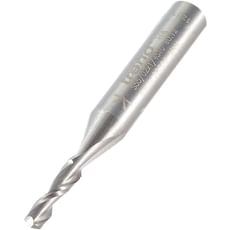
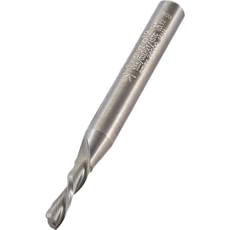
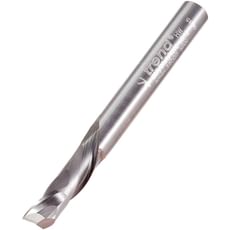
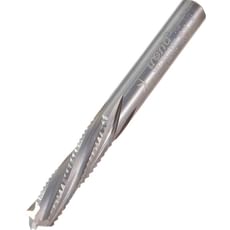
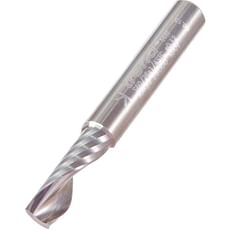
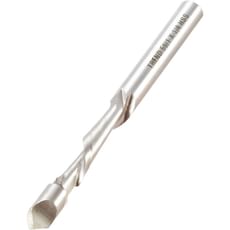
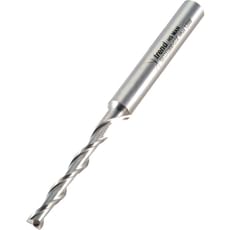
Spiral cutter bits are precision router cutters featuring helical cutting edges that wrap around the bit body, offering superior performance compared to traditional straight-flute cutters. These specialised router bits are engineered to deliver exceptionally clean cuts with minimal tear-out, making them essential for working with challenging materials including plastics, acrylics, aluminium, and composite panels. The spiral design creates a shearing action that efficiently evacuates chips while reducing cutting forces, resulting in smoother finishes and extended tool life.
Available in both upcut and downcut configurations, spiral cutter bits serve different purposes depending on the application. Upcut spirals efficiently remove chips upward from the cutting area, making them ideal for deep mortising and slot cutting, while downcut spirals press material down during cutting, preventing lifting and producing clean top-surface edges perfect for trimming laminated panels. Tooled-Up.com stocks a comprehensive selection of spiral cutter bits from Trend, covering applications from fine plastic engraving to heavy-duty aluminium machining.
Professional-grade spiral bits are manufactured from high-speed steel (HSS), high-speed steel with enhanced cobalt content (HSSE), or solid tungsten carbide (STC), each material offering specific advantages for different substrates. Whether you're working with caravan panels, acrylic signage, non-ferrous metals, or phenolic materials, the right spiral cutter bit ensures clean, professional results with reduced router strain and improved operator control.
Jargon Buster
- Upcut Spiral: A helical cutter with flutes that spiral upward, pulling chips away from the cutting area. Excellent for deep cuts and through-cutting but may cause slight breakout on the top surface of materials.
- Downcut Spiral: Features flutes spiralling downward, pushing chips into the cut while holding material firmly against the worksurface. Produces exceptionally clean top edges, ideal for laminate and veneer work.
- HSS vs HSSE: High-Speed Steel (HSS) offers good durability for general applications, while High-Speed Steel Enhanced (HSSE) contains additional cobalt for improved heat resistance when machining non-ferrous metals.
- STC (Solid Tungsten Carbide): Premium cutter material offering exceptional hardness and edge retention, suitable for extended production runs and abrasive materials where HSS would dull quickly.
- Single Flute vs Two Flute: Single flute cutters provide maximum chip clearance for soft materials like aluminium-faced panels, whilst two flute designs offer finer finishes and faster feed rates in harder materials.
- Shearing Action: The cutting geometry created by spiral flutes that slices through material progressively rather than impacting all at once, reducing cutting forces and improving finish quality.
Who Uses Spiral Cutter Bits?
- Caravan and Motorhome Manufacturers: For piercing and trimming aluminium-faced composite panels used in vehicle construction
- Sign Makers and Engravers: Creating precise lettering and graphics in acrylic, plastic, and composite signage materials
- Shopfitters and Joiners: Trimming laminated panels, worktops, and edge banding with tear-out free results
- Cabinet Makers: Routing grooves, dadoes, and mortises in manufactured boards and solid timber
- Aerospace and Engineering Workshops: Machining aluminium, brass, and other non-ferrous metals with routers and CNC machines
- Plastic Fabricators: Cutting, trimming, and profiling acrylic, polycarbonate, UPVC, and other thermoplastics
- Furniture Manufacturers: Production routing of composite materials, laminates, and phenolic substrates
- Model Makers and Prototype Designers: Fine detail work requiring clean edges and minimal finishing
How to Choose the Right Spiral Cutter Bits
Material Compatibility: Match the cutter material to your workpiece. HSS suits general plastics and timber, HSSE handles aluminium and non-ferrous metals with appropriate lubrication, whilst STC cutters excel with abrasive materials like phenolic, carbon fibre composites, and extended production runs.
Upcut or Downcut Configuration: Select upcut spirals for mortising, deep grooving, and through-cutting where chip evacuation is paramount. Choose downcut spirals when surface finish is critical, particularly for laminated panels, veneered boards, and materials prone to lifting during cutting.
Shank Diameter: Ensure compatibility with your router collet. The range at Tooled-Up includes standard 1/4-inch and 1/2-inch shanks, with quarter-inch shanks typical for smaller routers and trimming applications, whilst half-inch shanks provide greater rigidity for demanding cuts.
Cutting Diameter and Length: Consider the depth and width of cut required. Miniature spiral bits suit fine engraving work, whilst larger diameters handle trimming and panel processing. Ensure the cutting length exceeds your maximum depth of cut whilst avoiding unnecessarily long cutters that may flex.
Number of Flutes: Single flute cutters offer superior chip clearance for aluminium and soft materials, preventing clogging and heat build-up. Two flute designs provide finer finishes and allow faster feed rates when working with harder plastics and composites.
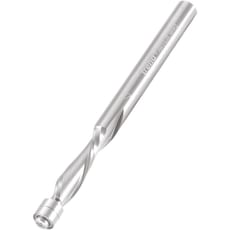
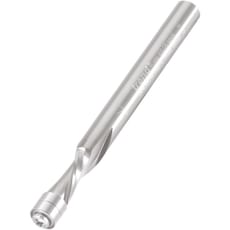
Bearing Guided Options: Bearing-guided spiral trimmers enable template following and flush trimming without separate guide bushes, ideal for repetitive production work and pattern routing applications.
Popular Accessories
- Router Collet Extensions: Increase reach for deep mortising and access into confined areas
- Lubricants and Coolants: Wax sticks and cutting fluids essential for aluminium and non-ferrous metal routing to prevent welding and extend cutter life
- Guide Bushes: Template following accessories for use with non-bearing guided spiral bits
- Collets and Collet Nuts: Spare precision collets ensuring secure cutter retention and concentricity
- Router Mats and Clamps: Secure workholding prevents material movement during spiral cutting operations
- Dust Extraction Adaptors: Connect routers to extraction systems, particularly important when machining plastics and composites
- Digital Depth Gauges: Precision setting tools for accurate depth control
- Cutter Storage Cases: Protect cutting edges from damage and keep spiral bits organised
Safety Information
Personal Protective Equipment: Always wear safety glasses or a face shield when routing, as spiral cutters generate fine chips and swarf. Use hearing protection, particularly with high-speed routing operations. Dust masks or respirators are essential when machining materials that produce hazardous dust.
Secure Workholding: Materials must be firmly clamped before routing. Spiral cutters can grab unsecured workpieces, creating dangerous kickback situations. Never attempt to hand-hold small components whilst routing.
Correct Router Speed: Consult manufacturer recommendations for optimal RPM based on cutter diameter and material. Excessive speeds generate heat causing premature wear and potential cutter failure, whilst insufficient speed may cause grabbing and poor finish.
Lubrication Requirements: When machining aluminium and non-ferrous metals, always use appropriate coolants or lubricants. Dry cutting can cause material to weld to the cutter, leading to dangerous breakage and poor results.
Inspection Before Use: Check spiral cutters for damage, including chipped cutting edges, bent shanks, or excessive wear. Damaged cutters should be discarded immediately as they may shatter at high speeds.
Frequently Asked Questions
What's the difference between upcut and downcut spiral bits?
Upcut spirals pull chips upward away from the cut, excellent for deep mortising and through-cutting but may cause minor breakout on the top surface. Downcut spirals push material downward, producing exceptionally clean top edges ideal for laminate work, though chip evacuation is less efficient in deep cuts. Combined up/down spirals offer compromise performance for both top and bottom surfaces.
Can I use spiral cutter bits in a standard router?
Yes, spiral cutter bits work in any router or trimmer with the appropriate collet size, whether handheld, table-mounted, or CNC controlled. Ensure your router develops sufficient power for the cutter diameter and material being machined. Variable speed routers offer optimal control for different materials.
Why do aluminium spiral cutters require lubrication?
Aluminium is a soft, sticky metal that generates significant heat during cutting. Without lubrication, aluminium particles weld to the cutting edges, causing rapid dulling and potential cutter failure. Wax sticks or specialist cutting fluids prevent welding, extend tool life, and produce superior finishes.
How long do spiral cutter bits last?
Lifespan depends on cutter material, workpiece material, and operating conditions. HSS cutters suit intermittent use on plastics and softer materials, whilst STC (solid tungsten carbide) versions withstand extended production runs in abrasive materials. Proper speeds, feeds, and lubrication dramatically extend cutter life regardless of material.
Can spiral bits cut hardwood as well as manufactured boards?
Spiral cutters excel in both natural timber and manufactured boards, though they're particularly advantageous for materials prone to tear-out such as veneered panels, laminates, and cross-grain cuts in hardwoods. The shearing action produces cleaner results than straight-flute cutters, though standard router bits remain more economical for basic timber routing where finish isn't critical.