

Stains

Pay in 3 interest-free payments on purchases from £20-£3000 with  . Learn more.
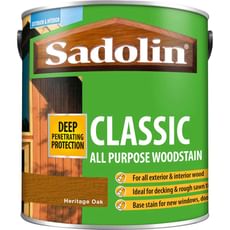
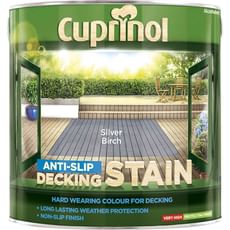
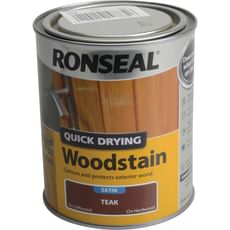
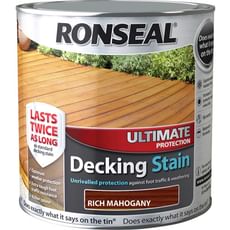
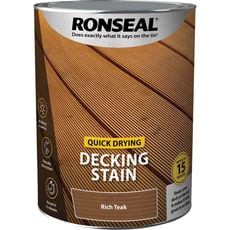
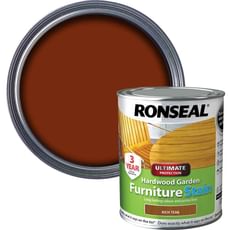
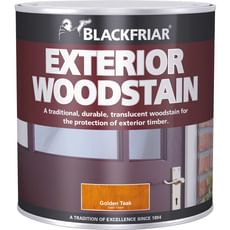
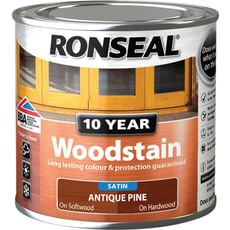
 Loading...
End of content
Error - No more pages to load
About Stains
Wood stains are essential finishing products that enhance, protect and preserve timber surfaces both indoors and outdoors. Unlike paints that sit on the surface, stains penetrate deep into the wood grain, providing colour whilst allowing the natural beauty and texture of the timber to show through. Available in a wide spectrum of shades from subtle natural oak tones to rich mahogany and ebony finishes, wood stains offer both aesthetic appeal and practical protection against weathering, UV damage, moisture and general wear.
The stains available at Tooled-Up.com include specialist formulations for different applications and timber types. Exterior woodstains are formulated to withstand harsh British weather conditions, featuring water-repellent and UV-resistant properties that prevent cracking, peeling and fading. Decking stains incorporate anti-slip additives for safety, whilst furniture stains offer quick-drying formulas ideal for garden furniture, sheds and fences. Many modern stains feature microporous technology that allows timber to breathe naturally, releasing moisture from within whilst preventing water ingress from outside, significantly extending the lifespan of wooden structures.
Leading manufacturers like Ronseal, Cuprinol, Sadolin, Liberon and Blackfriar each offer distinct product ranges with varying durability guarantees, from quick one-coat solutions to premium systems offering up to 10 years of protection. Whether treating new softwood decking, reviving hardwood garden furniture, or maintaining exterior cladding and joinery, selecting the appropriate stain formulation ensures optimal results and longevity.
Jargon Buster
- Microporous: A breathable finish that allows moisture vapour to escape from within the timber whilst preventing liquid water from penetrating, reducing the risk of rot, mould and blistering.
- Translucent vs Opaque: Translucent stains allow the wood grain to remain visible whilst adding colour, whereas opaque stains provide greater coverage and colour intensity, similar to thin paint but with deeper penetration.
- Water-Based vs Solvent-Based: Water-based stains have lower VOC emissions, easier clean-up and less odour, whilst solvent-based formulations typically offer deeper penetration and enhanced weather resistance for exterior applications.
- Touch Dry Time: The time required before the stained surface can be lightly touched without marking, typically 2-4 hours, though full cure time may take several days before heavy use.
- Coverage Rate: Measured in square metres per litre (m²/L), this indicates how much surface area can be covered per coat, typically ranging from 10-16m² per litre depending on timber porosity and application method.
- UV Filters: Additives that protect timber from ultraviolet degradation, preventing greying and deterioration caused by prolonged sun exposure, essential for south-facing exterior timber.
Who Uses Stains?
- Painters and Decorators: Professional tradespeople finishing exterior timber cladding, doors, windows and decorative woodwork on residential and commercial projects.
- Landscape Gardeners: Specialists installing and maintaining decking, pergolas, fencing, garden furniture and timber structures requiring weather-resistant finishes.
- Carpenters and Joiners: Tradespeople finishing bespoke joinery, external doors, window frames and architectural timber features requiring durable protection.
- Property Maintenance Contractors: Professionals responsible for maintaining and refurbishing exterior timber on commercial premises, schools, hotels and housing developments.
- DIY Enthusiasts: Homeowners maintaining their own decking, garden furniture, sheds, fences and other garden timber structures.
- Furniture Makers and Restorers: Craftspeople finishing or refinishing wooden furniture pieces, both for interior and exterior use.
How to Choose the Right Stains
Interior vs Exterior Application: This is the fundamental consideration. Exterior stains must withstand UV radiation, temperature fluctuations, rain and frost, featuring enhanced weather-resistant properties. Interior stains focus more on aesthetic finish and may have lower VOC formulations suitable for enclosed spaces.
Timber Type: Different wood species have varying porosity and natural oil content. Hardwoods like oak, teak and iroko require specific formulations, whilst softwoods like pine and cedar are more absorbent. The Tooled-Up range includes products specifically formulated for hardwood furniture and general-purpose options suitable for most timber types.
Durability Requirements: Consider how much protection is needed and how often you're willing to re-apply. Quick-drying annual maintenance products suit those happy with regular upkeep, whilst premium long-life formulations offering 5-10 year guarantees reduce maintenance frequency but require higher initial investment.
Surface Condition: New, bare timber accepts stain readily, whilst previously treated surfaces may require stripping or thorough preparation. Some products are specifically formulated for recoating over existing finishes without extensive preparation.
Colour and Finish: Available in natural wood tones, contemporary greys and rich dark shades, choose colours that complement your property's aesthetic. Consider whether you want a satin, matt or semi-gloss finish, and how much of the grain you wish to remain visible.
Application Method: Most stains apply via brush, roller or spray. Consider the surface area and accessibility when selecting products, as some formulations are optimised for specific application methods to achieve best results.
Popular Accessories
- Paint Brushes: Quality synthetic or natural bristle brushes in various widths for smooth, even application without brush marks.
- Roller Kits: Medium-pile rollers with trays for covering large deck areas and flat surfaces quickly and efficiently.
- Spray Equipment: HVLP sprayers or airless systems for professional-grade application on large projects or intricate surfaces.
- Preparation Tools: Wire brushes, deck scrubbers, scrapers and sanders for surface preparation prior to staining.
- Wood Cleaners: Specialist timber cleaning solutions that remove dirt, algae and old finishes before re-staining.
- Masking Tape and Sheeting: Protection for adjacent surfaces, windows and fittings during application.
- Stirring Sticks and Paint Kettles: Essential for thorough mixing and decanting smaller working quantities.
- White Spirit or Brush Cleaner: For cleaning brushes and equipment after using solvent-based products.
Safety Information
Wood stains contain chemicals that require careful handling. Always work in well-ventilated areas, particularly with solvent-based products, and wear appropriate PPE including gloves and safety glasses. Some formulations emit fumes during application and curing, so ensure adequate airflow when working indoors or in enclosed spaces.
Consult product COSHH data sheets available from Tooled-Up for specific safety information. Many stains are flammable when wet, so keep away from ignition sources and store securely. Dispose of rags and applicators safely, as spontaneous combustion can occur with oil-soaked materials. Always follow HSE guidelines for professional applications and read manufacturer instructions thoroughly before use.
When working at height on cladding or elevated decking, ensure appropriate access equipment and fall protection measures are in place. Freshly stained surfaces may be slippery until fully cured, so restrict access accordingly.
Frequently Asked Questions
How long does wood stain take to dry?
Touch dry times typically range from 2-4 hours depending on temperature, humidity and product formulation. However, full curing before heavy use or applying subsequent coats usually requires 16-24 hours. Quick-drying formulations may be recoatable in as little as 4 hours, whilst some premium products recommend 24-48 hours between coats for optimal results.
Can I apply stain over existing varnish or paint?
Generally, no. Stains need to penetrate bare wood to be effective. Existing varnish, paint or sealed surfaces must be removed by sanding, stripping or using proprietary removers. Some specialist recoating stains can be applied over compatible previous finishes, but always check manufacturer guidance and test on an inconspicuous area first.
How many coats of wood stain do I need?
Most applications require 2-3 coats for optimal colour depth and protection. Highly porous softwoods may absorb the first coat rapidly, requiring additional applications. Dense hardwoods might achieve satisfactory coverage in two coats. Always follow specific product recommendations, as some modern formulations are designed as one-coat solutions.
What's the difference between wood stain and wood paint?
Stains penetrate into the timber grain, enhancing natural texture whilst providing protection and colour. Paints form an opaque film on the surface, completely obscuring the grain. Stains require more frequent maintenance but showcase wood's natural beauty, whilst paints offer greater colour choice and longer protection intervals but hide the timber character completely.
When is the best time to stain exterior wood?
Apply exterior stains during dry, mild weather with temperatures between 10-25°C. Avoid direct hot sunlight which causes rapid drying and potential adhesion issues, and never apply if rain is forecast within 24 hours or if timber is damp. Spring and autumn typically offer ideal conditions, whilst summer applications should be done during cooler morning or evening periods.