

Steering & Suspension

Pay in 3 interest-free payments on purchases from £20-£3000 with  . Learn more.

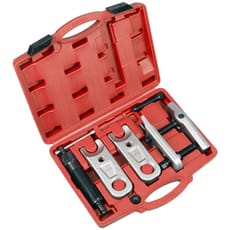
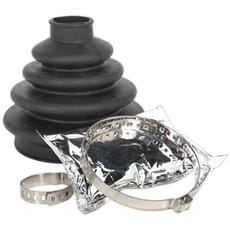
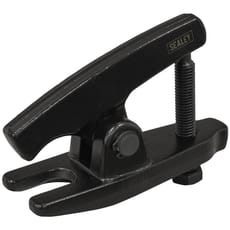
 Loading...
End of content
Error - No more pages to load
About Steering & Suspension
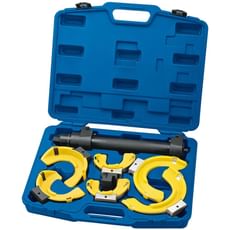
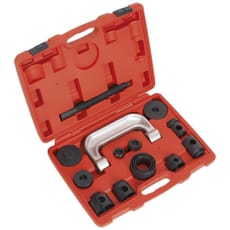
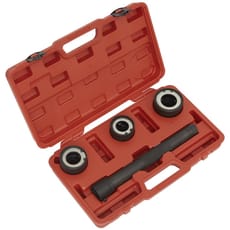
Steering and suspension tools represent essential specialist equipment for professional mechanics, automotive technicians, and dedicated DIY enthusiasts tackling vehicle maintenance and repair. This category encompasses a comprehensive range of professional-grade tools designed specifically for servicing, repairing, and replacing components within a vehicle's steering and suspension systems. From ball joint separators and coil spring compressors to track rod adjusting tools and CV boot installation kits, these tools enable safe and efficient work on some of the most critical safety systems in any vehicle. The selection at Tooled-Up.com includes premium products from trusted automotive specialists including Sealey, Draper, and Facom, each engineered to meet the demanding requirements of professional workshops and garages across the UK.
Working on steering and suspension components requires specialist tools capable of handling significant forces whilst maintaining safety and precision. Whether you're replacing worn ball joints, compressing coil springs for MacPherson strut replacement, or adjusting track rod ends for wheel alignment, having the correct tools not only makes the job possible but ensures it's completed safely and to professional standards. These tools are designed to work with a wide variety of vehicle makes and models, from compact city cars to larger commercial vehicles and 4x4s. Many products in this category feature hydraulic operation for heavy-duty applications, whilst others provide mechanical leverage and precise control for delicate adjustments.
Investing in quality steering and suspension tools is essential for any workshop committed to delivering safe, reliable vehicle repairs that meet MOT standards and manufacturer specifications. The combination of robust construction, precise engineering, and appropriate safety features found in professional-grade tools significantly reduces the risk of component damage or personal injury during critical suspension work. Tooled-Up stocks options suitable for every application, from occasional home garage use to daily professional workshop demands.
Jargon Buster
- Ball Joint Separator
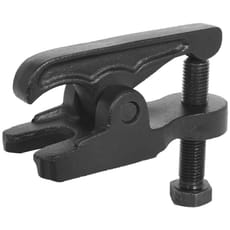
- A tool designed to disconnect ball joints from steering knuckles or suspension arms without damaging the components. Available in fork-type and pickle-fork designs, they use leverage or hydraulic force to separate tapered connections safely and efficiently.
- Coil Spring Compressor
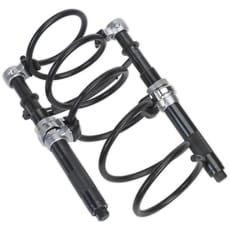
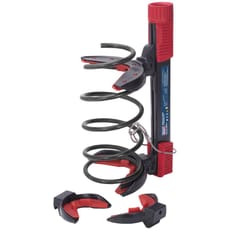
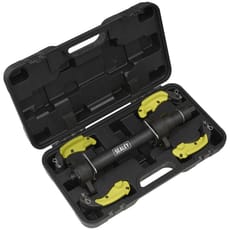
- A critical safety tool used to compress suspension coil springs, allowing safe removal and installation during strut replacement or suspension repairs. Spring compressors typically work in matched pairs to ensure even compression and prevent dangerous spring release.
- Track Rod End
- The connection point between the steering rack and the steering arm at each wheel. Track rod adjusting tools allow precise adjustment of these components to achieve correct wheel alignment and toe settings essential for proper tyre wear and vehicle handling.
- CV Boot
- The protective rubber covering over constant velocity joints on driveshafts. CV boot tools assist with fitting replacement boots without removing the entire driveshaft assembly, saving significant labour time and avoiding unnecessary component disturbance.
- MacPherson Strut
- A common type of front suspension combining the shock absorber and coil spring into a single assembly. Requires specific compressor tools for safe servicing and component replacement, particularly when separating the spring from the damper unit.
- Wishbone/Suspension Arm
- Control arms that connect the vehicle's chassis to the wheel hub assembly. Specialist levers and removal tools help separate these components from their mounting points during suspension work, particularly when rubber bushes have deteriorated and seized.
Who Uses Steering & Suspension Tools?
- Professional Motor Mechanics – performing routine suspension repairs and MOT-related work in garages and workshops
- Mobile Mechanics – requiring portable tools for on-site vehicle repairs and maintenance calls
- MOT Testing Stations – diagnosing and rectifying steering and suspension failures to meet testing standards
- Vehicle Restoration Specialists – rebuilding and refurbishing suspension systems on classic and vintage vehicles
- Fleet Maintenance Technicians – servicing commercial vehicles, vans, and company car fleets
- Agricultural Mechanics – working on tractors and farm machinery suspension systems
- Serious DIY Enthusiasts – undertaking home vehicle maintenance to professional standards
- Motorsport Teams – setting up and maintaining competition vehicle suspension for optimal performance
- HGV and Commercial Vehicle Workshops – handling heavy-duty suspension repairs on larger vehicles
- 4x4 and Off-Road Specialists – modifying and maintaining enhanced suspension systems
How to Choose the Right Steering & Suspension Tools
Selecting appropriate steering and suspension tools depends primarily on the types of vehicles you work with and the specific tasks you regularly undertake. Consider the following factors when making your purchase:
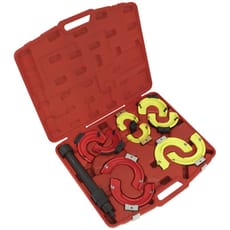
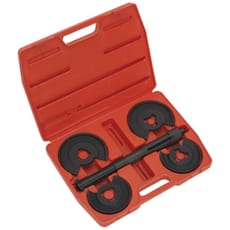
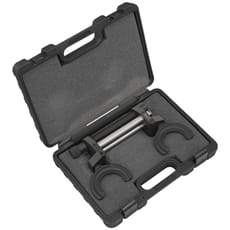
Vehicle Type and Size: Ensure tools are rated for the vehicles you service. Light passenger car tools differ significantly from those required for commercial vehicles or 4x4s. Check capacity specifications, particularly for coil spring compressors and ball joint separators, to ensure they can handle the forces involved. A 2-piece compressor set may suffice for occasional light vehicle work, whilst an 8-piece kit offers greater versatility across different applications.
Build Quality and Brand Reputation: Professional brands like Sealey, Draper Expert, and Facom offer superior durability and reliability compared to budget alternatives. For frequent professional use, investing in quality tools reduces the risk of failure during critical operations and provides better long-term value. Forged carbon steel construction with appropriate heat treatment ensures tools can withstand repeated high-stress applications without deformation.
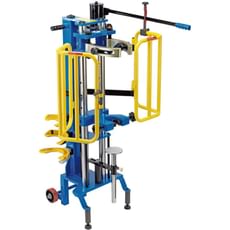
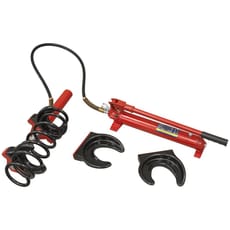
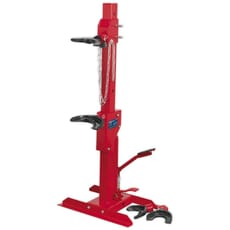
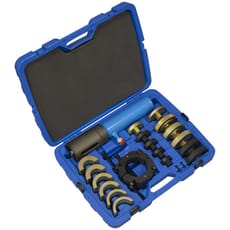
Hydraulic vs Mechanical Operation: Hydraulic spring compressors offer safer, more controlled operation for heavy-duty work, whilst mechanical tools provide portability and simplicity for lighter applications. Consider your typical workload and available workspace when choosing between these options. Hydraulic models like the Draper SC100 provide effortless compression of even the stiffest springs.
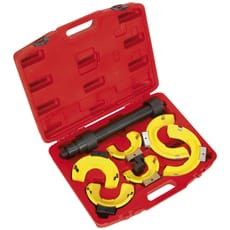
Tool Versatility: Multi-piece sets with various hook sizes and adapter configurations offer greater flexibility across different vehicle types. Similarly, adjustable ball joint separators can accommodate multiple applications, reducing the need for numerous single-purpose tools. The Draper Expert 8 Piece Coil Spring Compressor Kit exemplifies this versatile approach.
Safety Features: Look for tools with safety chains, secure locking mechanisms, and clearly marked working load limits. Steering and suspension work involves significant forces, making safety features essential rather than optional. Properly designed tools incorporate fail-safes to prevent sudden release under load.
Popular Accessories
- Torque Wrenches – essential for correctly tightening critical suspension fasteners to manufacturer specifications
- Copper Grease – prevents seizing of threaded connections and aids future component removal
- Penetrating Oil – helps free seized components before using separator tools
- Axle Stands and Trolley Jacks – safe vehicle support during suspension work
- Wheel Alignment Gauges – for checking tracking after suspension adjustments
- Rubber Mallets – for persuading stubborn components without causing damage
- Socket Sets – comprehensive sets for removing various suspension fasteners
- Ball Joint Dust Boot Sets – replacement protective boots for refurbished joints
- Brake Caliper Wind-Back Tools – often needed when working around suspension components
- Parts Cleaning Brushes and Degreaser – for preparing components during refurbishment
Safety Information
Working on steering and suspension systems presents significant safety hazards that must be taken seriously. Compressed coil springs contain enormous amounts of stored energy – if released unexpectedly, they can cause severe injury or death. Always use properly rated coil spring compressors in matched pairs, and never work under a vehicle supported only by a jack. Hydraulic models provide additional control, but all compressors must be used according to manufacturer instructions.
Before beginning any suspension work, ensure the vehicle is on level ground and properly supported on axle stands rated for the vehicle's weight. Chock wheels that remain on the ground, and never rely solely on the parking brake. When separating ball joints or track rod ends, wear appropriate PPE including safety glasses, as components may release suddenly under tension. Follow HSE guidelines for working with hand tools and vehicle lifting equipment.
Ensure adequate workspace around the vehicle, and never rush suspension work – taking time to use the correct tool properly is always safer than improvising. If using hydraulic tools, inspect hoses and seals regularly for damage or leaks, and maintain equipment according to manufacturer specifications. Be aware that replacing suspension components affects vehicle safety and handling. After completing any steering or suspension work, it's essential to have wheel alignment checked professionally and to test drive the vehicle cautiously in a safe environment before returning to normal use or handing back to customers.
Frequently Asked Questions
Can I use the same tools on all vehicle types?
Not all steering and suspension tools are universally compatible. Always check the manufacturer's specifications for compatibility with your vehicle type and weight. Light passenger car tools typically aren't suitable for commercial vehicles or 4x4s, which require heavy-duty equivalents with higher load ratings. Ball joint separator jaw openings must match the specific components you're working with, and spring compressor hook sizes need to suit your vehicle's coil spring diameter.
Do I need hydraulic spring compressors for professional work?
Whilst mechanical spring compressors are adequate for occasional use on lighter vehicles, hydraulic models offer significantly better safety and control for professional workshop environments. They provide more even compression, reduce physical strain, and handle heavy-duty springs more safely, making them worthwhile investments for busy garages. For occasional DIY use, quality mechanical compressors remain perfectly acceptable when used correctly.
How do I know if my coil spring compressor is safe to use?
Inspect compressors before each use for damaged threads, bent components, or worn hooks. Ensure safety chains or pins are intact and functional. Never exceed the tool's stated working load limit, and always use compressors in matched pairs to maintain even pressure. If any component shows signs of deformation or damage, replace the tool immediately – don't risk using compromised equipment on springs under tension.
What's the difference between fork-type and pickle-fork ball joint separators?
Fork-type separators wedge between components to separate ball joints and are generally reusable without damaging parts. Pickle-fork designs are more aggressive, driving between the joint and housing, but may damage dust boots in the process. Fork-types are preferred for joints you intend to reuse, whilst pickle-forks work well when replacing components entirely. Consider which approach suits your typical repair work.
Can I adjust wheel alignment myself with basic tools?
Whilst track rod adjusting tools allow you to change track rod length, achieving accurate wheel alignment requires specialist equipment to measure camber, castor, and toe angles precisely. Basic string methods can provide rough adjustments for emergency situations, but professional laser alignment is essential for meeting manufacturer specifications and ensuring safe handling, proper tyre wear, and MOT compliance. Always recommend professional alignment checks after suspension work.