

Strap Wrenches
Pay in 3 interest-free payments on purchases from £30-2000 with  . Learn more.
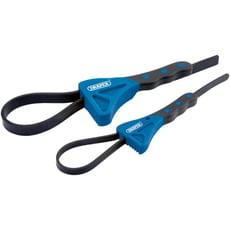
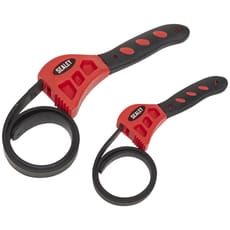
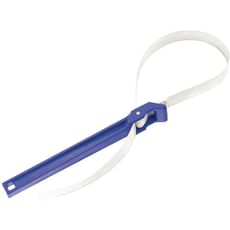
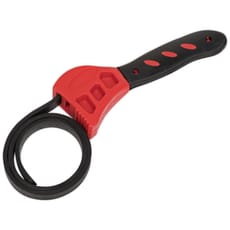
 Loading...
End of content
Error - No more pages to load
About Strap Wrenches
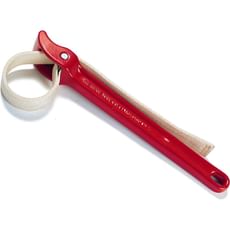
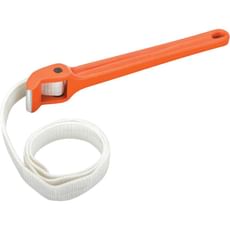
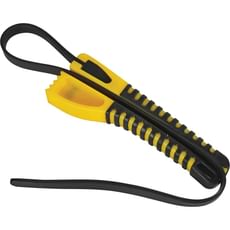
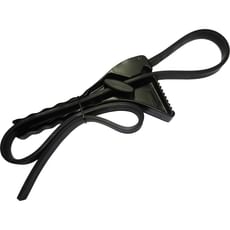
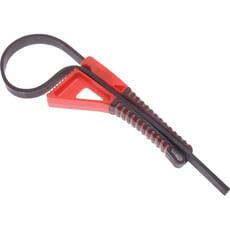
Strap wrenches are indispensable tools designed to grip, turn and loosen cylindrical objects without causing surface damage. Unlike traditional wrenches that rely on metal jaws, strap wrenches use flexible straps made from materials such as nylon, rubber or plastic that wrap around the object, distributing pressure evenly whilst protecting delicate finishes. This makes them ideal for working with chrome-plated fittings, polished pipes, plastic components, oil filters and any application where maintaining an unmarked surface is essential.
The selection available from Tooled-Up.com includes models from trusted manufacturers such as Boa, Ridgid, Bahco, Elora and Sealey, offering various capacities and strap materials to suit different applications. From compact baby strap wrenches for confined spaces to heavy-duty constrictor models capable of handling larger diameter pipes and filters, these tools provide reliable grip and leverage without the risk of scratching, denting or marring the workpiece. Many professional-grade models feature aluminium or steel handles with ergonomic grips for enhanced comfort during prolonged use.
Strap wrenches are particularly valuable in plumbing, automotive work, HVAC installation and maintenance tasks where conventional tools would damage protective coatings or decorative finishes. They're also essential for working with plastic pipes and fittings where metal tools could cause cracks or stress fractures. Replacement straps are available separately, extending the working life of quality wrench handles and making these tools a cost-effective long-term investment for tradespeople and DIY enthusiasts alike.
Jargon Buster
- Strap Capacity: The maximum diameter of pipe, filter or cylindrical object that the strap can wrap around and grip effectively, typically measured in millimetres or inches.
- Constrictor Design: A strap wrench mechanism that tightens automatically as torque is applied, increasing grip strength proportionally to the turning force without requiring manual adjustment.
- Strap Material: The flexible component that wraps around the workpiece, commonly made from nylon for general use, rubber for enhanced grip, or plastic for applications requiring chemical resistance.
- Handle Length: The distance from the pivot point to the end of the handle, which determines the leverage available – longer handles provide greater torque for stubborn fittings.
- Soft Grip: Ergonomic handle covering made from cushioned materials that reduce hand fatigue and improve comfort during repetitive or prolonged use.
- Non-Marring: A property of strap materials that prevents scratching, scuffing or otherwise damaging the surface of the object being gripped, essential for chrome, polished or painted finishes.
Who Uses Strap Wrenches?
- Plumbers and Heating Engineers: For installing and removing chrome-plated fixtures, taps, showerheads and decorative pipe fittings without damaging finishes.
- Motor Mechanics and Vehicle Technicians: Essential for removing oil filters, fuel filters and other cylindrical automotive components in confined engine bays.
- HVAC Engineers: Used extensively in air conditioning installation and maintenance for handling refrigerant lines and polished copper pipes.
- Pool and Spa Maintenance Technicians: For working with plastic filter housings, pump components and threaded pool equipment that could crack under metal tool pressure.
- Kitchen Fitters and Installers: Removing and installing chrome waste fittings, decorative taps and appliance connections where appearance matters.
- Plant and Facilities Maintenance Teams: General maintenance work involving painted pipes, coated fittings and equipment with protective finishes.
- DIY Enthusiasts and Homeowners: Tackling bathroom and kitchen repairs, filter changes and general maintenance without specialist metalwork tools.
How to Choose the Right Strap Wrenches
Selecting the appropriate strap wrench depends primarily on the diameter of objects you'll be working with most frequently. Measure the largest pipes, filters or fittings in your typical work scope and choose a model with sufficient capacity – it's worth noting that many professionals keep multiple sizes for different applications. The range at Tooled-Up includes compact models for restricted spaces and larger capacity wrenches for industrial pipework.
Consider the strap material carefully based on your application. Nylon straps offer excellent durability and chemical resistance for general plumbing work, whilst rubber straps provide superior grip on smooth or oily surfaces such as automotive filters. Plastic straps are ideal for applications involving solvents or aggressive chemicals that might degrade rubber materials. Check whether replacement straps are readily available for your chosen model to maximise long-term value.
Handle design significantly affects usability and comfort. Aluminium or steel handles provide strength and longevity for professional use, whilst soft-grip coatings reduce hand fatigue during repetitive tasks. Handle length determines available leverage – longer handles generate more torque for stubborn fittings but may prove unwieldy in confined spaces. Constrictor-style mechanisms that automatically tighten under load are particularly efficient for quick work, though simple fixed-strap designs offer reliability and straightforward operation.
Brand reputation matters when investing in professional tools. Manufacturers such as Ridgid, Boa and Bahco are recognised throughout the trade for producing durable strap wrenches that withstand daily site use. Consider purchasing sets that include multiple sizes or a handle with interchangeable straps for maximum versatility across different job types.
Popular Accessories
- Replacement Straps: Keep spare straps in various materials (nylon, rubber, plastic) to extend tool life and adapt to different applications.
- Oil Filter Removal Tools: Complementary metal filter wrenches for applications where surface damage isn't a concern.
- Adjustable Wrenches: Standard spanners for initial loosening before switching to strap wrenches for final removal.
- Basin Wrenches: Specialised tools for reaching tap connectors in confined spaces behind sinks and basins.
- Pipe Grips and Stillsons: Heavy-duty pipe wrenches for steel and iron pipework where surface protection isn't required.
- Protective Gloves: Work gloves with good dexterity for maintaining grip whilst protecting hands during filter and fitting removal.
- Penetrating Oil: Lubricants to help free seized threads before applying turning force with strap wrenches.
Frequently Asked Questions
Can strap wrenches be used on both tightening and loosening applications?
Yes, most strap wrenches work effectively in both directions, though some constrictor designs are optimised for loosening operations. Check the manufacturer's specifications, as directional models may require strap reversal for tightening applications. The flexible strap grips equally well when turned clockwise or anticlockwise, making these tools versatile for installation and removal tasks.
What size strap wrench do I need for standard domestic oil filters?
Most car and light commercial vehicle oil filters require a strap capacity between 60mm and 120mm. A medium-duty strap wrench with approximately 100-150mm capacity will handle the majority of domestic automotive filter changes comfortably. For larger diesel engines or industrial equipment, consider models with 200mm+ capacity available at Tooled-Up.
How much torque can I safely apply with a strap wrench?
Torque capacity depends on strap material, handle length and the object's surface condition. Nylon and rubber straps typically allow moderate torque suitable for hand-tightened fittings and filters. Avoid excessive force that could stretch or tear the strap – if a fitting won't budge, apply penetrating oil and allow time for penetration rather than forcing the tool beyond its design limits.
Will strap wrenches work on wet or oily surfaces?
Rubber straps perform best on oily surfaces such as automotive filters, as the material naturally grips slippery finishes. Nylon straps may slip on heavily oiled components, though wiping excess oil improves grip considerably. For consistent performance in oily environments, choose models specifically designed with rubber or textured straps that maintain friction when wet.
How do I maintain and store strap wrenches for longest life?
Clean straps after use to remove oil, grease and debris that can degrade materials over time. Store in a dry environment away from direct sunlight, as UV exposure weakens synthetic strap materials. Inspect straps regularly for fraying, tears or stretching, replacing them before failure occurs. Keep handles clean and check pivot mechanisms periodically, applying a drop of light oil if movement becomes stiff.