

Tack Hammers

Pay in 3 interest-free payments on purchases from £20-£3000 with  . Learn more.
 Loading...
End of content
Error - No more pages to load
About Tack Hammers
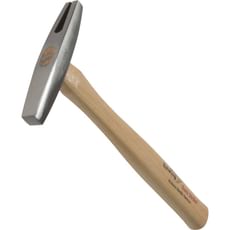
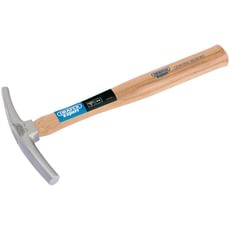
Tack hammers are specialised lightweight hammers designed for precision work involving small nails, tacks, pins and delicate fasteners. Characterised by their compact heads and slender profiles, these tools excel at upholstery work, picture framing, cabinet making and other applications where accuracy matters more than striking force. The defining feature of a quality tack hammer is its magnetic forked face, which holds small fasteners in place for one-handed positioning – an invaluable advantage when working in tight spaces or awkward angles.
Traditional tack hammers feature solid forged heads crafted from high carbon steel, correctly hardened and tempered to resist deformation whilst maintaining the magnetic properties essential for their function. The forked face design serves a dual purpose: the magnetism secures tiny tacks and pins for precise placement, whilst the forked prongs allow you to start fasteners without risking finger injuries. Many professional-grade models incorporate natural straight-grained hickory shafts, prized for their shock-absorption properties and comfortable grip during extended use.
The selection at Tooled-Up.com includes tack hammers from respected manufacturers like Draper and Estwing, each offering distinctive construction methods suited to different user preferences. From lacquer-coated heads providing rust protection for site work to ergonomically designed grips reducing hand fatigue, modern tack hammers combine traditional craftsmanship with contemporary materials engineering to deliver reliable performance across diverse applications.
Jargon Buster
- Magnetic Face
- A magnetised striking surface that holds ferrous fasteners (nails, tacks, pins) in place, enabling one-handed operation and precise positioning without fumbling.
- Forked Face
- A hammer head design featuring two prongs or grooves that grip small fasteners, allowing you to start driving without holding the tack with your fingers – reducing the risk of injury.
- Straight-Grained Hickory
- Premium wooden handle material chosen for its natural shock-absorption properties, strength-to-weight ratio and comfortable feel. Straight grain indicates quality timber without knots or weak points.
- High Carbon Steel
- Steel alloy containing increased carbon content (typically 0.6-1.0%), providing greater hardness and wear resistance whilst maintaining the ability to be magnetised effectively.
- Hardened and Tempered
- A heat treatment process where steel is heated to high temperatures then rapidly cooled (hardened) before being reheated to specific temperatures (tempered) to achieve the optimal balance of hardness and toughness.
- Solid Forged Head
- A hammer head manufactured from a single piece of steel shaped under extreme pressure and heat, resulting in superior strength and durability compared to cast alternatives.
Who Uses Tack Hammers?
- Upholsterers – fitting decorative studs, securing fabric to furniture frames and working with gimp pins
- Picture Framers – fixing backing boards, securing glazier points and installing hanging hardware
- Cabinet Makers and Joiners – fitting panel pins, securing beading and installing small brass fixings
- Antique Restorers – delicate repair work requiring precision without damaging valuable pieces
- Leatherworkers and Saddlers – securing leather to frames and installing decorative tacks
- Model Makers and Hobbyists – detailed construction work with miniature fasteners
- DIY Enthusiasts – general household repairs, craft projects and furniture refurbishment
- Theatre Set Builders – rapid assembly of lightweight scenic elements using tacks and panel pins
- Cobblers and Shoe Repairers – attaching leather components and fitting heel tacks
How to Choose the Right Tack Hammers
Head Weight and Size: Tack hammers typically range from 100g to 200g, significantly lighter than general-purpose claw hammers. Choose lighter models (100-140g) for delicate upholstery and framing work, whilst heavier options suit cabinet making where slightly more driving force is beneficial. The compact head dimensions allow access to recessed areas and tight corners.
Magnetic Strength: The magnetic face should hold fasteners securely without excessive force required to remove them. Professional models from brands like Draper and Estwing feature carefully calibrated magnetism that maintains strength throughout the tool's working life. Test that the magnet works effectively with the specific tack sizes you'll be using most frequently.
Face Design: Traditional forked faces remain popular for their versatility, whilst some specialists prefer smooth magnetic faces for certain applications. The forked design excels when starting fasteners in hardwood or working at awkward angles. Consider whether you'll benefit from the additional grip provided by the prongs versus the cleaner striking surface of non-forked alternatives.
Handle Material: Natural hickory shafts offer traditional shock absorption and comfortable grip, developing character through use. Modern alternatives include fibreglass and steel shanks with rubber grips, providing enhanced durability and reduced maintenance. Tooled-Up stocks both traditional and contemporary handle constructions to suit different preferences and working environments.
Handle Length: Shorter handles (typically 250-300mm) provide better control for precision work, whilst slightly longer versions offer increased reach when working on larger furniture pieces. Balance is crucial – the hammer should feel naturally weighted when held at the handle's end.
Build Quality: Inspect for solid forged heads rather than cast alternatives, lacquer or coating for rust protection, and secure handle attachment. Expert Quality designations from established manufacturers indicate tools meeting professional standards for material selection, heat treatment and finish quality.
Popular Accessories
- Upholstery Tacks and Pins – various sizes and finishes for different fabric weights and applications
- Panel Pins – slender fasteners for cabinet work and picture framing
- Gimp Pins – decorative fasteners for finishing upholstery work
- Nail Sets and Punches – driving fasteners below surface level without marking surrounding material
- Magnetic Parts Trays – convenient storage keeping small fasteners organised and accessible
- Upholstery Webbing and Supplies – complementary materials for furniture restoration projects
- Tool Rolls and Storage – protecting hammer faces and keeping specialist tools organised
- Work Aprons – convenient fastener storage whilst working
- Safety Glasses – essential eye protection when driving small fasteners
- Pin Pushers and Starting Tools – alternative methods for positioning delicate fasteners
Safety Information
Whilst tack hammers are relatively safe compared to heavier striking tools, proper precautions prevent common injuries. Always wear safety glasses when driving fasteners, as small tacks can ricochet unpredictably if struck incorrectly. The magnetic face eliminates the need to hold fasteners with your fingers during initial strikes – utilise this feature rather than risking finger injuries.
Inspect the handle-to-head connection regularly, ensuring the head remains securely attached. Loose heads present significant hazards, particularly in professional environments. Replace tools showing signs of handle splitting, head movement or face damage. Check that the magnetic face remains flat and free from mushrooming, which indicates the head has been used inappropriately on hardened materials or oversized fasteners.
Work in well-lit conditions where you can clearly see both the fastener and the target surface. Poor visibility increases the likelihood of missed strikes and potential injuries. When working with antique furniture or valuable pieces, test your technique on scrap material first to avoid costly mistakes. Store tack hammers with protective covers over the magnetic face to prevent unwanted attraction of metal debris that could scratch work surfaces during subsequent use.
Frequently Asked Questions
Why does my tack hammer have a forked face?
The forked or split face design serves two purposes: firstly, the groove grips small fasteners between the prongs, allowing you to position and start driving without holding the tack with your fingers; secondly, the magnetic properties hold ferrous fasteners in place for one-handed operation. This combination makes starting small fasteners safer and more efficient, particularly in tight spaces or when working above head height.
Can I use a tack hammer for general nailing tasks?
Tack hammers are specifically designed for small fasteners like tacks, pins and brads up to approximately 20mm length. Using them on larger nails or for general construction work risks damaging the lightweight head and may prove inefficient due to insufficient striking force. For versatility across different fastener sizes, keep a general-purpose claw hammer alongside your specialist tack hammer.
How do I maintain the magnetic properties of my tack hammer?
Magnetic strength naturally diminishes over many years, but proper care extends effectiveness. Avoid dropping the hammer or striking the magnetic face against hardened steel, which can reduce magnetism. Store away from extreme heat sources, as high temperatures affect magnetic properties. Clean the face regularly to remove accumulated metal filings and debris. If magnetism weakens significantly, specialist tool suppliers can sometimes re-magnetise hammer faces, though replacement often proves more economical.
What's the difference between cheap and professional tack hammers?
Professional models from manufacturers like Draper and Estwing feature solid forged heads from properly heat-treated high carbon steel, ensuring consistent hardness, durability and magnetic retention. Budget alternatives often use cast heads with inferior steel grades that lose magnetism quickly, mushroom at the striking face and may separate from handles under regular use. Quality hammers incorporate carefully selected straight-grained hickory or engineered handle materials providing superior shock absorption and longevity. For tradespeople using tack hammers daily, professional-grade tools represent worthwhile investments.
Should I choose a wooden or synthetic handle?
Traditional straight-grained hickory handles offer excellent shock absorption, comfortable grip and the aesthetic appeal valued by craftspeople. They develop character through use and can be replaced if damaged. Modern fibreglass or steel handles with rubber grips provide enhanced durability, weatherproofing and reduced maintenance requirements. Choose wooden handles for traditional workshop environments and occasional use, whilst synthetic options suit site work, high-frequency professional use or environments where moisture exposure occurs regularly. Both designs perform well when manufactured to professional standards available from Tooled-Up.