

Thermal Detectors
Pay in 3 interest-free payments on purchases from £30-2000 with  . Learn more.

 Loading...
End of content
Error - No more pages to load
About Thermal Detectors
Thermal detectors are essential diagnostic tools that enable professionals and DIY enthusiasts to measure temperature, identify heat loss, detect moisture problems, and locate electrical hotspots without making physical contact. These versatile instruments range from simple infrared thermometers that provide instant surface temperature readings to sophisticated thermal imaging cameras that create detailed visual heat maps of entire rooms or equipment. Whether you're conducting building surveys, troubleshooting electrical installations, servicing HVAC systems, or identifying insulation deficiencies, thermal detection equipment provides crucial data that would otherwise remain invisible to the naked eye.
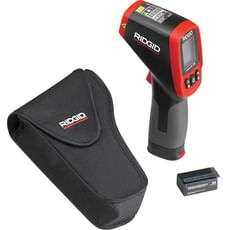
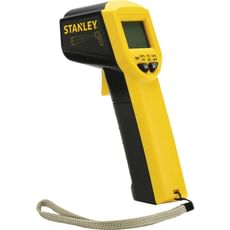
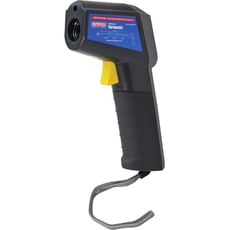
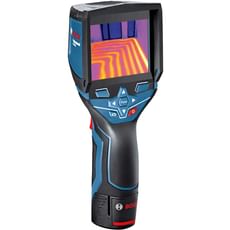
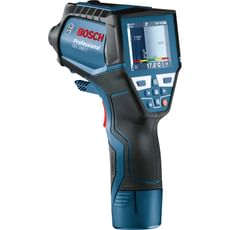
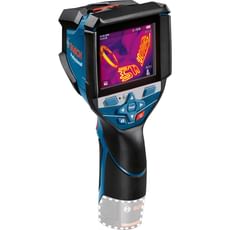
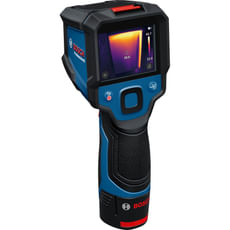
The thermal detector range at Tooled-Up.com encompasses several distinct product types, each suited to specific applications. Infrared thermometers offer quick spot temperature measurements ideal for checking pipe temperatures, electrical components, or surface conditions. Thermal imaging cameras provide comprehensive visual representations of temperature variations across larger areas, making them invaluable for building diagnostics and preventative maintenance. Specialist devices such as thermal leak detectors combine infrared technology with air flow measurement to pinpoint draughts and insulation failures, whilst moisture and temperature meters help identify damp problems before they cause structural damage.
Modern thermal detection technology has become increasingly accessible and affordable, with leading manufacturers like Bosch Professional, Sealey, and Ridgid offering feature-rich models suitable for both occasional use and demanding professional applications. Many contemporary devices include digital displays, data logging capabilities, measurement memory functions, and connectivity options that allow temperature data to be transferred to smartphones or computers for detailed analysis and record-keeping.
Jargon Buster
- Infrared (IR) Technology: A non-contact measurement method that detects thermal radiation emitted from surfaces to calculate temperature without physical contact, enabling safe readings of hot, distant, or hazardous objects.
- Emissivity: A material property indicating how efficiently a surface emits infrared radiation compared to a perfect radiator. Different materials (metal, wood, plastic) have varying emissivity values, and accurate readings require proper emissivity settings on your detector.
- Temperature Range: The minimum and maximum temperatures a detector can measure, typically spanning from -35°C to +500°C or more depending on the model, with professional-grade instruments offering wider ranges for industrial applications.
- Optical Resolution (Distance-to-Spot Ratio): Expressed as ratios like 12:1 or 30:1, this specification indicates the relationship between measurement distance and the size of the area being measured—higher ratios allow accurate readings from greater distances.
- Thermal Sensitivity: The smallest temperature difference a thermal imaging camera can detect, typically measured in millikelvins (mK). Better sensitivity reveals more subtle temperature variations crucial for identifying minor defects or heat loss.
- Response Time: How quickly the detector provides an accurate reading after triggering, with most quality instruments responding in under one second for efficient surveying and diagnostics.
Who Uses Thermal Detectors?
- Electricians: Identifying overheating circuits, loose connections, overloaded components, and potential fire hazards in distribution boards and electrical installations
- Heating Engineers and Plumbers: Diagnosing underfloor heating systems, checking radiator performance, locating blockages, and verifying pipe temperatures
- Building Surveyors: Conducting thermal surveys to identify insulation deficiencies, thermal bridging, air leakage, and moisture ingress in residential and commercial properties
- Maintenance Engineers: Implementing predictive maintenance programmes by monitoring mechanical equipment, motors, bearings, and industrial machinery for abnormal heat patterns
- HVAC Specialists: Assessing air conditioning performance, identifying ductwork leaks, measuring supply temperatures, and optimising climate control systems
- Roof and Building Contractors: Detecting moisture trapped in flat roofs, identifying areas of heat loss, and verifying insulation effectiveness post-installation
- Energy Assessors: Conducting thermal performance evaluations for Energy Performance Certificates (EPCs) and identifying opportunities for energy efficiency improvements
- Automotive Technicians: Diagnosing engine problems, checking cooling system performance, and identifying brake or exhaust issues
- DIY Enthusiasts and Homeowners: Finding draughts, checking insulation effectiveness, and identifying areas where heat is escaping to reduce energy bills
How to Choose the Right Thermal Detectors
Determine Your Primary Application: For quick spot checks of temperatures—such as checking pipe work, electrical components, or surface temperatures—a handheld infrared thermometer offers excellent value and simplicity. For comprehensive building surveys, fault-finding across larger areas, or professional reporting requirements, invest in a thermal imaging camera that provides visual heat maps and often includes image storage capabilities.
Consider Temperature Range Requirements: Basic models typically measure from -35°C to +260°C, suitable for most building diagnostics and general maintenance. Professional applications involving industrial equipment, kilns, or high-temperature processes require instruments with extended ranges reaching +500°C or beyond. Match the specification to your actual working requirements rather than simply choosing the highest specification.
Evaluate Accuracy and Resolution Needs: Professional tradespeople and surveyors should prioritise models offering accuracy within ±1-2% and good optical resolution (12:1 or higher for infrared thermometers). For thermal imaging cameras, consider both thermal sensitivity (ideally below 100mK) and image resolution—higher specifications reveal more detail but come at increased cost.
Assess Ergonomics and Display Features: Look for instruments with clear, backlit displays readable in various lighting conditions, intuitive controls that can be operated with gloved hands, and comfortable grip designs for extended use. Features like adjustable emissivity settings, maximum/minimum temperature tracking, and data hold functions significantly enhance usability on site.
Battery Considerations: Tooled-Up stocks models with various power options including replaceable batteries, rechargeable lithium-ion systems, and USB charging. Professional users conducting multiple surveys daily should consider thermal imaging cameras with 12v rechargeable battery systems that offer extended runtime and the flexibility to carry spare batteries.
Data Management and Connectivity: Modern thermal detectors increasingly offer Bluetooth or Wi-Fi connectivity, allowing temperature data and thermal images to be transferred to smartphones or tablets for immediate analysis, annotation, and client reporting. Consider whether integrated data management capabilities would streamline your workflow and professional documentation requirements.
Brand Reputation and Support: Established manufacturers like Bosch Professional, Sealey, and Draper offer reliable products backed by comprehensive warranties and readily available technical support—important considerations for professional tools that may require calibration or servicing over their working life.
Popular Accessories
- Protective Carrying Cases: Purpose-designed cases with foam inserts protect sensitive thermal detection equipment during transportation and storage on site
- Spare Batteries and Chargers: Additional rechargeable batteries ensure uninterrupted operation during extended survey work or when working in locations without mains power access
- Tripod Mounts: Enable stable, hands-free operation when capturing thermal images or conducting extended monitoring of specific areas or equipment
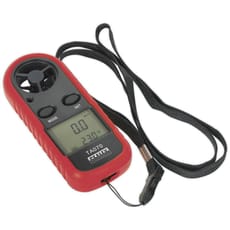
- Anemometers: Complementary instruments that measure air flow and wind speed, useful alongside thermal detectors when identifying draughts and air leakage in buildings
- Hygrometers and Moisture Meters: Work in conjunction with thermal detection to provide comprehensive building diagnostics, correlating temperature variations with moisture content
- High-Visibility Targets and Markers: Emissivity reference targets and adhesive temperature indicators help calibrate readings and mark specific monitoring points
- Laptop and Tablet Software: Advanced analysis applications for processing thermal images, generating professional reports, and maintaining temperature measurement databases
- Extension Probes: Specialist attachments that enable temperature measurement in confined spaces, ducts, or areas where the main instrument cannot be positioned
Frequently Asked Questions
What's the difference between an infrared thermometer and a thermal imaging camera?
An infrared thermometer measures the temperature of a single spot where you point the laser, providing a numerical reading on a digital display. A thermal imaging camera captures temperature data across an entire scene, creating a colour-coded visual image that shows temperature variations throughout the area—much like taking a photograph, but showing heat instead of visible light. Infrared thermometers excel at quick spot checks and are more affordable, whilst thermal imaging cameras provide comprehensive area surveys ideal for building diagnostics and identifying problems you might otherwise miss.
Do thermal detectors work through walls or glass?
No, infrared thermal detectors measure surface temperatures only and cannot see through solid objects. They detect the infrared radiation emitted from the surface facing the detector. However, they excel at identifying temperature differences on wall surfaces that indicate underlying problems—such as cold spots suggesting missing insulation or warm areas indicating hidden pipes or electrical cables. Glass presents particular challenges as it reflects infrared radiation; when measuring through windows, you'll typically read the window surface temperature rather than what's behind it.
How accurate are thermal detectors, and do they require calibration?
Quality thermal detectors typically offer accuracy within ±1.5-2% of the reading, which is sufficient for most diagnostic and maintenance applications. Accuracy depends on correct emissivity settings for different materials—shiny metal surfaces require different settings than matt painted surfaces. Professional-grade instruments may require periodic calibration (typically annually) to maintain certified accuracy, particularly for applications requiring documented traceability. For general trade use and building diagnostics, the factory calibration remains adequate throughout the instrument's working life provided the device is properly maintained and not subjected to impacts or extreme conditions.
What is emissivity and why does it matter?
Emissivity measures how efficiently a material radiates infrared energy compared to a perfect emitter (black body). Different materials have different emissivity values: matt painted surfaces typically have high emissivity (around 0.95), whilst polished metal has very low emissivity (as low as 0.1). Most thermal detectors allow emissivity adjustment, and using the correct setting for your target material ensures accurate temperature readings. Many instruments include preset emissivity values for common materials, whilst others allow custom settings. For general building survey work, an emissivity setting of 0.95 works well for most non-metallic surfaces.
Can I use thermal detectors for finding water leaks?
Thermal detectors excel at identifying temperature anomalies that often indicate water problems rather than directly detecting water itself. Evaporating moisture creates cooling effects visible on thermal images, whilst water-damaged areas often show different temperatures to surrounding dry materials. Specialist thermal leak detectors combine infrared technology with other sensing methods to specifically identify draughts and air leakage. For comprehensive leak detection, thermal imaging works best alongside dedicated moisture meters that measure actual water content in materials, providing corroborating evidence of damp problems identified through temperature variations.