

Tile & Mortar Guns

Pay in 3 interest-free payments on purchases from £20-£3000 with  . Learn more.
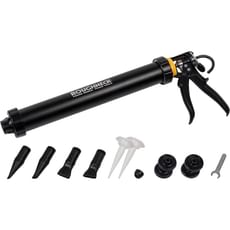
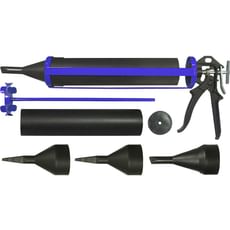
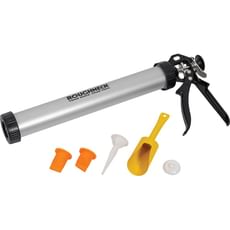
 Loading...
End of content
Error - No more pages to load
About Tile & Mortar Guns
Tile and mortar guns are essential hand tools designed to streamline the process of applying mortar, grout, and pointing compounds in brickwork and tiling applications. These specialised applicators allow tradespeople to dispense material with precision and control, dramatically reducing the time and effort required compared to traditional trowel methods. By loading the barrel with mortar or grout and using a trigger-operated plunger mechanism, users can achieve consistent, professional results whilst minimising waste and mess on site.
The range available from Tooled-Up.com includes manual mortar guns from trusted brands like Roughneck and Faithfull, each designed for different aspects of masonry and tiling work. These tools feature high-thrust trigger actions that push material through replaceable nozzles, allowing for accurate application into brick joints, tile gaps, and other hard-to-reach areas. Many models utilise standard rainwater downpipe sections for the barrel, making replacement parts readily available and cost-effective for regular users.
Whether tackling large-scale repointing projects or detailed tile grouting work, these guns significantly improve productivity whilst reducing physical strain on the hands and wrists. They're particularly valuable for repetitive pointing tasks where consistency and speed are paramount, enabling bricklayers and tilers to maintain quality standards throughout extended working periods.
Jargon Buster
- Plunger Mechanism: The internal component, typically rubber-faced, that pushes mortar or grout through the barrel when the trigger is operated. Quality plungers create an effective seal to prevent material backflow.
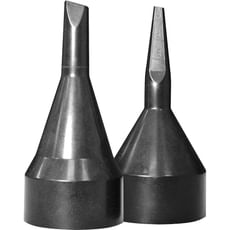
- Nozzle: The interchangeable tip that determines the width and shape of the material application. Different nozzle sizes accommodate various joint widths and pointing styles.
- High-Thrust Trigger: A lever-action mechanism designed to generate sufficient force to push thick mortar compounds through the barrel with minimal hand fatigue during extended use.
- Barrel: The cylindrical chamber that holds the mortar or grout. Many guns use standard-diameter downpipe sections, making replacements inexpensive and widely available.
- Case Hardened Drive Parts: Rod and internal components treated to resist wear and corrosion when exposed to cementitious materials, extending tool lifespan.
- Pointing: The process of finishing mortar joints between bricks or stones, for which mortar guns provide rapid and consistent application.
Who Uses Tile & Mortar Guns?
- Bricklayers: Professional masons use mortar guns for efficient repointing and joint filling on new builds and restoration projects
- Tilers: Bathroom and kitchen fitters rely on grouting guns to fill joints quickly and cleanly between tiles
- Stonemasons: Tradespeople working with natural stone benefit from precise mortar application in irregular joints
- Building Contractors: General builders tackling renovation and repair work use these tools for various pointing applications
- Property Maintenance Teams: Council and housing association workers completing routine repointing and repair programmes
- Landscape Gardeners: Professionals pointing paving, retaining walls, and decorative brickwork in outdoor spaces
- DIY Enthusiasts: Homeowners undertaking garden wall repairs, patio pointing, or bathroom grouting projects
- Heritage Restoration Specialists: Craftspeople working on listed buildings where traditional pointing techniques are required
How to Choose the Right Tile & Mortar Guns
Selecting the appropriate mortar gun depends on several practical considerations. First, assess the barrel capacity relative to your typical job size – larger barrels reduce refilling frequency on extensive repointing projects but become heavier when fully loaded. Consider whether you'll primarily work with thick mortar or fluid grout, as this determines the thrust power required from the trigger mechanism.
Examine the nozzle options available for each model. Tooled-Up stocks guns with interchangeable nozzles to accommodate different joint widths, from narrow tile gaps to wide brick joints. Check whether replacement nozzles and spare parts are readily available, as these components wear with regular use. Models using standard downpipe sections for barrels offer significant cost advantages for replacement.
The build quality and materials matter considerably for longevity. Look for case-hardened drive rods and robust plunger assemblies that resist the abrasive nature of cementitious materials. Ergonomic trigger design becomes increasingly important for professionals undertaking repetitive work, reducing hand fatigue during full-day use. Finally, consider whether you need a multi-function model that handles both mortar and grout applications, or a specialist gun optimised for a single material type.
Popular Accessories
- Replacement Nozzles: Various widths and profiles to suit different joint sizes and pointing styles
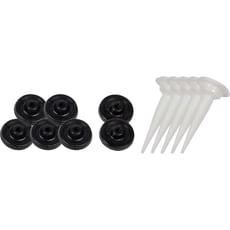
- Spare Plunger Kits: Replacement rubber plungers and seals to maintain consistent pressure and prevent leakage
- Mixing Paddles: For preparing mortar and grout to the correct consistency before loading
- Mixing Buckets and Tubs: Durable containers for batch preparation and gun loading
- Pointing Trowels: Hand tools for finishing and shaping joints after gun application
- Joint Rakes: For removing old mortar before repointing work begins
- Wire Brushes: Essential for cleaning barrels, nozzles, and plungers after use to prevent material hardening
- Protective Gloves: Chemical-resistant gloves to protect hands from cementitious materials
- Cleaning Solution: Specialist cleaners for maintaining equipment between uses
Safety Information
When using tile and mortar guns, always wear appropriate PPE including safety glasses to protect eyes from splashing material and chemical-resistant gloves to prevent skin contact with wet cement, which can cause burns and dermatitis. Ensure adequate ventilation when working indoors, as cementitious dust can irritate respiratory passages.
Be aware of COSHH regulations regarding cement and chemical additives in mortar mixes. Always read product safety data sheets for the materials you're dispensing. Clean equipment thoroughly immediately after use, as hardened cement becomes extremely difficult to remove and can damage internal mechanisms. When working at height during repointing projects, ensure proper scaffold or platform stability, as operating mortar guns requires both hands and secure footing.
Frequently Asked Questions
What's the difference between a mortar gun and a grouting gun?
Whilst the terms are often used interchangeably, mortar guns typically handle thicker, coarser mixes for brickwork pointing, whilst grouting guns are optimised for finer tile grout. Many modern models function as multi-purpose tools suitable for both applications by changing nozzles and adjusting material consistency.
How do I prevent mortar from hardening inside the gun?
Clean the barrel, plunger, and nozzle thoroughly with water immediately after each use, before material begins to set. Disassemble the plunger assembly and remove all residue. For stubborn deposits, soak components in water overnight. Regular maintenance prevents blockages and extends tool life significantly.
Can I use a mortar gun for decorative pointing work?
Yes, mortar guns excel at decorative pointing when fitted with appropriate nozzles. They provide consistent bead size and material flow, which helps achieve uniform appearance across large areas. The key is selecting the correct nozzle profile and maintaining steady trigger pressure throughout application.
What consistency should mortar be for gun application?
Mortar should be mixed slightly wetter than for trowel application – firm enough to hold shape but fluid enough to flow through the nozzle without excessive trigger force. A consistency similar to toothpaste typically works well. Test on spare material before loading the full barrel.
Are replacement barrels expensive?
Many mortar guns use standard rainwater downpipe sections as barrels, making replacements very affordable and available from builders' merchants. This design feature significantly reduces long-term running costs compared to proprietary barrel systems, particularly important for professional users.