

Tillers
Pay in 3 interest-free payments on purchases from £30-2000 with  . Learn more.
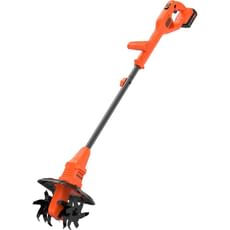
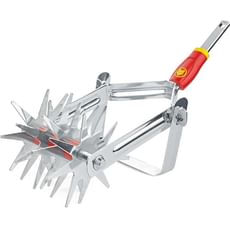
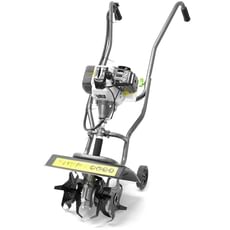
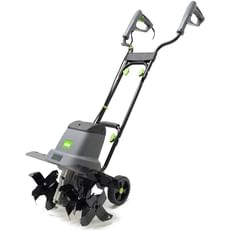
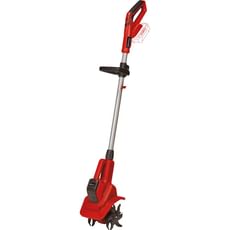
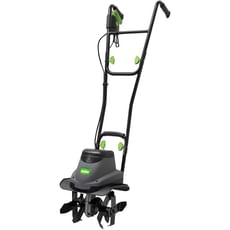
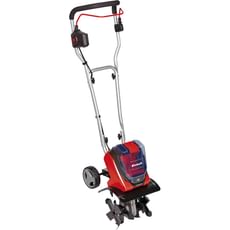
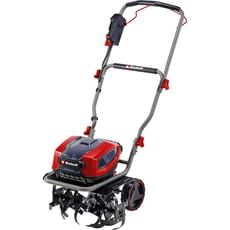
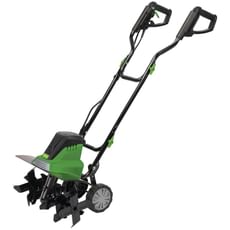
Einhell Professional GP-CR 36/45 Li E BL 36v Cordless Brushless Tiller 450mm
in stock
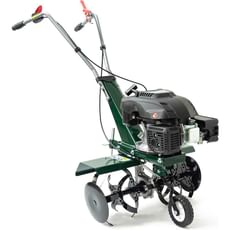
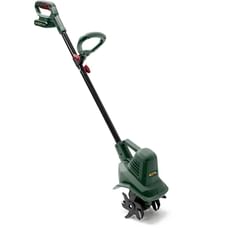
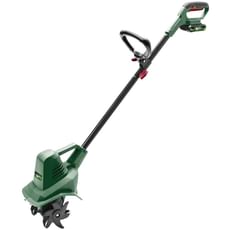
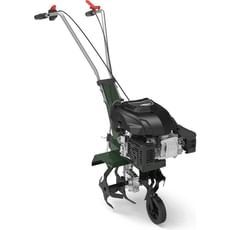
 Loading...
End of content
Error - No more pages to load
About Tillers
Tillers are essential power tools designed to break up, turn over and prepare soil for planting, making them invaluable for anyone working with larger vegetable gardens, allotments or landscaping projects. While breaking up compacted ground by hand with a spade or fork is possible in small areas, a tiller transforms this labour-intensive task into a manageable job, saving significant time and physical effort. These robust machines use rotating tines or blades to penetrate and churn the soil, creating an ideal planting bed for vegetables, flowers and other crops.
Tillers come in two main configurations: front tine and rear tine models. Front tine tillers position their blades ahead of the wheels, making them lighter and more manoeuvrable for negotiating smaller spaces and working with moderately compacted soil. Rear tine tillers feature blades behind the wheels, enclosed by protective shields for safety. These heavier-duty machines deliver greater power and stability, making them the preferred choice for breaking virgin ground or tackling particularly hard, compacted soil. The selection at Tooled-Up.com includes both petrol-powered models for remote locations and cordless battery-operated tillers for quieter operation with zero emissions.
Modern cordless tillers have become increasingly popular, with 18v, 36v and 40v lithium-ion models offering the convenience of battery power without compromising performance for light to medium-duty applications. Petrol tillers remain the preferred option for professional landscapers and those working larger plots, delivering consistent power regardless of battery charge. Working widths typically range from 200mm for compact cordless models up to 560mm for self-propelled petrol machines, allowing users to match the tool to their specific plot size and soil conditions.
Jargon Buster
- Tines: The rotating metal blades or prongs that penetrate and break up the soil. Tine configuration affects digging depth and soil processing effectiveness.
- Front Tine Tiller: A tiller with blades positioned in front of the wheels, offering lighter weight and greater manoeuvrability but typically less power than rear tine models.
- Rear Tine Tiller: A tiller with blades positioned behind the wheels and covered by a protective shield, delivering more power and stability for breaking tough ground.
- Cultivator: A lighter-duty tool designed for working already-broken soil, mixing in compost or fertiliser, and maintaining established beds rather than breaking virgin ground.
- Working Width: The width of soil processed in a single pass, measured in millimetres. Ranges from 200mm for compact models to 560mm or more for professional machines.
- Self-Propelled: Tillers with powered wheels that drive the machine forward, reducing operator effort and improving control, particularly beneficial on larger rear tine models.
Who Uses Tillers?
- Allotment Holders: Preparing vegetable plots and maintaining established growing areas throughout the season
- Market Gardeners: Commercial vegetable growers requiring efficient soil preparation across larger growing areas
- Landscapers: Professional tradespeople preparing ground for new gardens, lawns and planting schemes
- Groundskeepers: Maintaining public parks, sports facilities and institutional grounds
- Smallholders: Managing vegetable gardens, orchards and growing areas on small farms and rural properties
- Serious Gardeners: Enthusiastic DIY gardeners with larger plots who prioritise productive vegetable growing
- Nurseries: Plant growers preparing beds and maintaining growing areas for production
- Local Authorities: Council workers maintaining community gardens and public growing spaces
How to Choose the Right Tillers
Power Source: Petrol tillers deliver unrestricted runtime and maximum power for remote locations and heavy-duty work. Cordless models from Tooled-Up offer convenience, zero emissions and quieter operation, ideal for residential areas and allotments with nearby charging facilities. Electric 240v tillers provide continuous power but require mains access and extension leads.
Tine Configuration: Front tine tillers suit smaller plots, established gardens and moderately compacted soil, offering easier manoeuvrability in confined spaces. Rear tine tillers excel at breaking virgin ground, working heavy clay soil and tackling larger areas where power and stability take priority over portability.
Working Width: Compact 200-250mm models suit raised beds, narrow rows and confined spaces. Mid-range 300-450mm widths balance productivity with manoeuvrability for typical allotment plots. Professional 560mm tillers maximise efficiency across larger market gardens and commercial applications.
Weight and Manoeuvrability: Lighter cordless models (typically under 10kg) are easier to transport, lift and control but may struggle with compacted soil. Heavier petrol tillers provide the mass needed to penetrate tough ground but require more effort to move and store.
Battery Compatibility: If you already own cordless garden tools, choosing a tiller that shares the same battery platform (such as 18v systems) eliminates the need to invest in additional batteries and chargers, reducing overall cost.
Self-Propelled Features: Self-propelled tillers significantly reduce operator fatigue on larger plots, particularly beneficial with heavier rear tine models. Consider this feature essential for extensive growing areas or if physical effort is a concern.
Popular Accessories
- Spare Tines: Replacement blades to maintain cutting performance as original tines wear through regular use in stony or compacted soil
- Protective Guards: Additional shields and guards to protect operators from flying debris and rotating components
- Lithium-Ion Batteries: Spare batteries and higher-capacity packs to extend runtime on cordless models without waiting for recharging
- Fuel Stabiliser: Additives to keep petrol fresh during storage periods, essential for maintaining engine performance on petrol tillers
- Ear Defenders: Essential hearing protection when operating petrol tillers, which can exceed safe noise levels during extended use
- Work Gloves: Heavy-duty gardening gloves to protect hands from vibration, blisters and debris when operating tillers
- Safety Boots: Steel toe-capped footwear to protect feet from rotating tines and dropped equipment
- Tool Covers: Weather-resistant storage covers to protect tillers from the elements when stored in sheds or outdoor locations
Safety Information
Personal Protective Equipment: Always wear sturdy boots with steel toe caps, long trousers, work gloves and eye protection when operating tillers. Ear defenders are essential with petrol models. Never operate tillers whilst wearing loose clothing, jewellery or open-toed footwear that could become caught in rotating tines.
Operating Safely: Clear the working area of stones, branches and debris before starting. Maintain a firm grip on the handlebars and never override safety features or guards. Keep hands and feet well away from rotating tines at all times. Switch off and disconnect the power source before clearing blockages or performing maintenance.
Ground Hazards: Check for underground services, cables and pipes before tilling. Contact your local authority or utility companies if uncertain about underground infrastructure. Be particularly cautious near boundary walls, fences and established plants where hidden obstacles may be present.
Maintenance Safety: Allow petrol engines to cool completely before refuelling. Store petrol in approved containers away from ignition sources. For cordless models, remove batteries before cleaning or maintenance. Follow manufacturer guidelines for servicing and always use genuine replacement parts to maintain safety standards.
Frequently Asked Questions
What's the difference between a tiller and a cultivator?
A tiller is designed for breaking up virgin ground or heavily compacted soil, using powerful tines to penetrate and turn over tough earth. A cultivator is lighter-duty, intended for working already-broken soil, mixing in compost or fertiliser, and maintaining established beds. Some machines can perform both roles depending on the attachment used.
Can I use a cordless tiller for breaking new ground?
Cordless tillers excel at maintaining established beds and working moderately compacted soil but may struggle with virgin ground or heavy clay. For breaking genuinely tough, unworked soil, a petrol rear tine tiller delivers the power and weight needed. However, modern 36v and 40v cordless models offer surprising capability for light ground-breaking work in smaller areas.
How deep will a tiller dig?
Tilling depth varies by model but typically ranges from 150mm on compact cordless models to 300mm or more on professional petrol rear tine tillers. Most machines offer adjustable depth settings via a skid or drag bar, allowing you to control how deeply the tines penetrate based on soil conditions and your requirements.
Do I need a self-propelled tiller?
Self-propelled models significantly reduce operator effort, particularly beneficial with heavier rear tine tillers or when working larger plots. If you're working a typical allotment-sized area or have concerns about physical exertion, self-propelled drive is worth the additional investment. Lighter front tine and cordless models are generally manageable without powered wheels.
When is the best time to till soil?
Till when soil is slightly moist but not waterlogged – it should crumble easily rather than forming sticky clumps. Avoid tilling saturated soil as this damages soil structure and creates compacted clods. Spring and autumn are traditionally ideal for major tilling work, but timing depends on your local weather conditions and soil type.