

Timber Screws
Pay in 3 interest-free payments on purchases from £30-2000 with  . Learn more.
 Loading...
End of content
Error - No more pages to load
About Timber Screws
Timber screws are essential fixings designed specifically for connecting wood to wood, or for securing other materials to timber substrates. Unlike traditional wood screws, modern timber screws feature advanced thread designs and hardened materials that eliminate the need for pre-drilling in most applications, saving considerable time on site. Available in various head styles including hexagonal, Torx, and wafer heads, these fasteners deliver superior holding power whilst reducing the risk of timber splitting, even when driven close to board edges.
Tooled-Up.com stocks timber screws from leading manufacturers including Spax, Timco, and Forgefix, each offering distinct advantages for different applications. Professional-grade timber screws typically feature self-drilling tips that bite immediately into the workpiece, patented thread geometries that draw materials together tightly, and specialist coatings such as Wirox or BLAX finishes that provide enhanced corrosion resistance. Whether you're working with softwood or hardwood, structural timber framing or delicate joinery, selecting the appropriate timber screw ensures a secure, long-lasting connection.
Stainless steel options are particularly valued for external façade work and marine environments where moisture exposure demands exceptional durability. Heavy-duty variants with deep drive recesses deliver higher torque transmission, reducing cam-out and driver bit wear during repetitive installation work. The combination of sharp points, aggressive threads, and engineered head designs makes contemporary timber screws significantly more efficient than older screw technologies, especially when paired with impact drivers or cordless drill-drivers.
Jargon Buster
- Cam-Out: The tendency of a screwdriver bit to slip out of the screw head recess under torque. Quality timber screws with deep Torx or hexagonal drives minimise cam-out, protecting both the fastener and your driver bits.
- Self-Drilling Thread: A specially engineered thread profile that cuts its own pilot hole as the screw is driven, eliminating the need for pre-drilling in most timber applications and dramatically speeding up installation.
- Slash Point: A sharp, angled tip design that provides immediate bite into timber from the first turn, preventing the screw from wandering during initial positioning.
- Index Thread: A thread design featuring varying pitch or depth that draws materials together whilst reducing driving torque, particularly beneficial when working with dense hardwoods.
- BLAX/Wirox Coating: Proprietary surface treatments that provide superior corrosion resistance compared to traditional zinc plating, extending service life in exterior and moisture-prone applications.
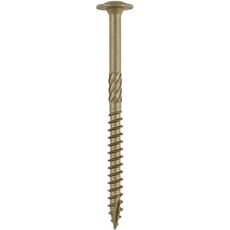
- Wafer Head: A low-profile head design that sits nearly flush with the timber surface whilst providing a large bearing area to prevent pull-through under load.
Who Uses Timber Screws?
- Carpenters and Joiners: For structural framing, partition walls, timber joinery, and general carpentry projects
- Roofing Contractors: Securing timber battens, fixing fascias, soffits, and structural roof components
- Fencing Specialists: Installing fence panels, posts, rails, and external timber structures
- Shopfitters: Constructing retail fixtures, display units, and interior timber installations
- Decking Installers: Building outdoor decking frames, pergolas, and garden structures
- Builders and General Contractors: Wide-ranging timber fixing applications across residential and commercial construction
- DIY Enthusiasts: Home renovation projects, garden structures, and furniture assembly
- Maintenance Engineers: Repair and refurbishment work involving timber substrates
- Shopfitters and Exhibition Builders: Temporary and permanent timber construction work
How to Choose the Right Timber Screws
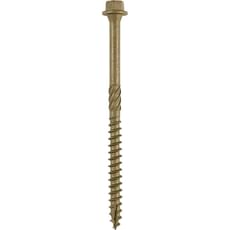
Head Type: Select based on your driving tool and application requirements. Hexagonal heads work with standard socket drivers and allow high torque transmission. Torx heads provide excellent bit engagement and resist cam-out, whilst wafer heads offer a low-profile finish with excellent pull-through resistance.
Material and Coating: For internal applications, carbon steel screws with basic coatings suffice. External work demands stainless steel (A2 or A4 grade) or advanced coatings like Wirox or BLAX. Consider the Spax Façade range available at Tooled-Up for exterior cladding and façade projects requiring long-term corrosion resistance.
Length and Diameter: The screw should penetrate at least 50mm into the receiving timber for structural connections. Match diameter to the load requirements—heavier structural work demands larger gauge screws, whilst fine joinery benefits from smaller diameter fasteners that reduce splitting risk.
Thread Design: Self-drilling threads eliminate pre-drilling for most softwood and many hardwood applications. Index or dual-thread designs draw materials together more effectively, particularly important for decking and cladding where boards must sit tight against supporting timbers.
Timber Type: Hardwoods generally require more aggressive thread designs and may benefit from heavy-duty variants. Softwoods are more forgiving but can split easily near edges—choose screws with patented anti-split thread designs for edge fixing work.
Quantity Requirements: Tooled-Up stocks timber screws in various pack sizes. Calculate your project requirements carefully, allowing approximately 10% wastage for large installations where occasional fastener damage or misalignment occurs.
Popular Accessories
- Driver Bits: Quality Torx, hexagonal, and combination bits from Wera or Wiha ensure proper engagement and extended working life
- Magnetic Bit Holders: Extended reach holders and quick-release chucks speed up repetitive driving work
- Impact Drivers: Cordless impact drivers from Makita, DeWalt, or Milwaukee deliver the torque needed for large-diameter timber screws
- Drill-Driver Sets: Combination drill-drivers handle both pilot hole drilling and screw driving tasks
- Countersink Bits: Create neat recesses for flush screw head installation in visible joinery work
- Screw Organisers: Storage solutions from Stanley FatMax or similar keep different sizes organised on site
- Pilot Hole Guides: Ensure accurate drilling depth and angle for critical connections
- Timber Treatment: Preservatives and sealers for end-grain protection around fixing points
Frequently Asked Questions
Do I need to pre-drill when using timber screws?
Modern timber screws with self-drilling threads typically eliminate pre-drilling requirements in softwoods and many hardwoods. However, pre-drilling remains advisable when working very close to board edges (within 25mm), with dense hardwoods like oak or iroko, or when installing particularly large-diameter screws where splitting risk is elevated. Pre-drilling also reduces the driving torque required, which can be important when using lower-powered cordless tools.
What's the difference between timber screws and traditional wood screws?
Timber screws feature significantly more advanced engineering than traditional wood screws. They incorporate self-drilling tips for immediate bite, patented thread designs that eliminate the need for pre-drilling, and hardened materials that resist shearing under load. The drive recesses are deeper and more precisely formed to reduce cam-out, whilst specialist coatings provide superior corrosion resistance. These improvements translate to faster installation, reduced splitting, and greater holding power.
Which head type should I choose for decking projects?
For decking applications, wafer head or small-head designs work exceptionally well as they sit nearly flush with the timber surface, reducing trip hazards whilst providing a large bearing area that prevents pull-through as the timber expands and contracts seasonally. Ensure you select stainless steel or advanced-coated screws for exterior durability, such as the Spax Façade range which offers excellent long-term performance in moisture-prone environments.
How many timber screws do I need per joist when fixing decking boards?
Standard practice requires two screws per joist crossing for decking boards up to 150mm wide, positioned approximately 15-20mm from each edge. For wider boards, consider three fixings per joist to prevent cupping and warping. Calculate total requirements by multiplying the number of boards by the number of joists, then multiply by two (or three), adding 10% contingency for wastage.
Can I use an impact driver with all timber screws?
Yes, impact drivers are highly effective with modern timber screws and actually represent the preferred installation method for most professionals. The rotational impacts deliver high torque with minimal effort whilst reducing wrist strain during repetitive work. Ensure you use impact-rated driver bits designed to withstand the hammering action, and adjust clutch settings (if available) when working near board edges to prevent over-driving or splitting.