

Holsters
Pay in 3 interest-free payments on purchases from £30-2000 with  . Learn more.
 Loading...
End of content
Error - No more pages to load
About Holsters
Tool holsters are essential carrying accessories designed to keep secateurs, pruning shears, knives, and other cutting implements safely secured and instantly accessible whilst working. A quality holster provides convenient hands-free storage, protecting both valuable tools from damage and the user from accidental injury caused by loose blades. Whether pruning roses in a domestic garden, managing commercial orchards, maintaining landscaped grounds, or working in forestry environments, a dedicated holster ensures cutting tools remain positioned exactly where they're needed throughout the working day.
Modern tool holsters are engineered from robust materials including premium full-grain leather, heavy-duty synthetic fabrics, reinforced canvas, and weather-resistant nylon. They typically feature belt loops or quick-release clips for secure attachment to work belts, tool belts, or standard trouser belts. Many designs incorporate additional features such as riveted stress points for enhanced durability, drainage eyelets to prevent water accumulation, protective linings to safeguard sharp blades, and ergonomic shaping that follows body contours for all-day comfort. The best holsters are specifically shaped to accommodate the unique profile of secateurs and pruning tools, ensuring a snug friction fit that prevents tools from falling out during active work, bending, or climbing.
The selection at Tooled-Up.com includes holsters from trusted brands such as Makita, ARS, Spear and Jackson, and Kew Gardens. Whether you need a standalone holster for existing secateurs or a complete matched set pairing premium cutting tools with a purpose-designed carrier, the range caters to professional gardeners, landscape contractors, arborists, vineyard workers, and keen DIY gardeners who demand quality, convenience, and safety from their equipment. From traditional leather designs that develop character over years of service to modern synthetic options offering lightweight weather resistance, there's a holster solution for every working environment and trade requirement.
Jargon Buster
- Belt Loop: A reinforced fabric or leather loop stitched to the rear of the holster, designed to thread onto a belt for secure carrying. Some holsters feature dual loops for added stability and weight distribution across wider work belts.
- Riveted Construction: Metal rivets used at stress points and seams to dramatically increase durability and prevent tearing under regular use. Particularly important for professional-grade holsters subjected to daily wear and demanding site conditions.
- Bypass Secateurs: The most common type of pruning tool, featuring two curved blades that pass by each other like scissors to create a clean cut. Holsters are often designed specifically to accommodate this blade configuration safely.
- Full-Grain Leather: The highest quality leather grade, using the complete hide with natural grain intact. Offers superior durability, develops an attractive patina over time, and provides excellent tool protection whilst remaining supple.
- Quick-Release Clip: A spring-loaded or snap-fastener mechanism allowing rapid attachment and removal of the holster from your belt without threading. Ideal for professionals who switch between tasks frequently or need to remove equipment quickly.
- Drainage Eyelet: Small reinforced holes at the base of the holster allowing water, sap, and debris to drain away. Prevents corrosion of your tools and extends holster lifespan by preventing moisture accumulation that causes rot or rust.
Who Uses Holsters?
Holsters for secateurs and pruning tools are invaluable for a diverse range of professionals and enthusiasts:
- Professional Gardeners and Horticulturalists: Daily pruning work requires constant access to cutting tools whilst moving between plants and garden areas
- Landscape Contractors: Managing multiple sites and maintenance schedules where efficiency and tool security are paramount
- Arborists and Tree Surgeons: Working at height where secure tool storage prevents dangerous drops and keeps hands free for climbing safety
- Vineyard Workers: Harvesting and vine maintenance requiring repetitive cutting tasks throughout long working days during growing and pruning seasons
- Parks and Grounds Maintenance Teams: Council workers and estate managers maintaining public spaces, commercial grounds, and municipal landscapes
- Fruit and Vegetable Growers: Commercial and smallholding operations requiring regular pruning, harvesting, and crop management throughout the season
- Allotment Holders and Keen Gardeners: Enthusiastic DIY gardeners who appreciate professional-quality organisation and proper tool care
- Florists: Cutting and preparing stems throughout the working day with secateurs always to hand for precision work
- Estate Managers and Groundskeepers: Maintaining large private gardens, country estates, and heritage properties
How to Choose the Right Holsters
Material and Durability: Leather holsters offer traditional craftsmanship, excellent tool protection, and develop a pleasing patina over time that many tradespeople value. Synthetic materials provide weather resistance, lighter weight, and are often easier to clean. Consider your working environment – wet conditions may favour quick-drying synthetics, whilst leather excels in general garden use and offers superior abrasion resistance. Look for reinforced stitching and riveted construction points at stress areas for longevity, particularly if working professionally.
Tool Compatibility: Ensure the holster is designed for your specific tool type and size. Bypass secateurs require different accommodation than anvil-style cutters or folding pruning saws. Some holsters are brand-specific, precisely moulded to fit particular models from manufacturers like Makita or ARS, whilst others offer universal fit for standard-sized secateurs. Check dimensions carefully if purchasing separately from your secateurs to avoid disappointment.
Attachment Method: Belt loops suit traditional work belts and provide stable, secure carrying that won't shift during active work. Quick-release clips offer convenience for those who frequently attach and remove their holster throughout the day. Consider your typical work attire – some gardeners prefer loops that accommodate wider professional work belts up to 50mm, whilst others need compatibility with standard trouser belts of 30-40mm width.
Depth and Retention: A deeper holster provides better security for longer-handled tools but may be less convenient for rapid access during fast-paced work. Some designs incorporate internal springs or friction fits to prevent tools bouncing out during active work. Consider whether you'll be bending, kneeling, climbing ladders, or working at height – all situations where secure retention is crucial for both safety and efficiency.
Additional Features: Drainage holes prevent water and sap accumulation, protecting your tools from rust and the holster from rot. Some holsters include small pockets for spare blades, sharpening stones, or cable ties. Professional users might appreciate holsters with reflective strips for visibility during roadside work or branded designs for team uniformity on commercial contracts.
Popular Accessories
Complement your holster with these related products to create a complete pruning toolkit:
- Bypass and Anvil Secateurs: The primary cutting tools your holster is designed to carry, available in various sizes and cutting capacities from 15mm to 25mm diameter
- Pruning Saws: For branches beyond secateur capacity, often carried in companion holsters or dedicated tool belt pouches
- Sharpening Stones and Diamond Files: Essential for maintaining sharp cutting edges, keeping your secateurs performing optimally throughout the season
- Tool Belts and Work Belts: Purpose-designed belts providing robust attachment points and additional storage for holsters, fixings, and other equipment
- Replacement Blades and Springs: Maintenance parts to extend the working life of your secateurs without replacing the entire tool
- Leather Conditioning Products: Treatments to maintain leather holsters, preventing cracking, preserving suppleness, and extending durability
- Tool Cleaning Sprays: Remove sap, resin, and plant matter that can transfer from tools to holster interior, preventing corrosion and disease transmission
- Safety Gloves: Protective handwear for pruning work, often featuring reinforced palms and cut-resistant materials for handling thorny plants
Safety Information
Secure Cutting Edges: Always ensure secateurs are properly seated in the holster with blades pointing downward and away from your body. Sharp tools carried loosely in pockets present significant injury risks during bending or climbing. A properly designed holster keeps blades contained and protected, reducing the risk of cuts to yourself or colleagues.
Regular Inspection: Check your holster periodically for wear, particularly stitching integrity, rivet condition, and belt loop soundness. A failing holster could result in tool loss, potentially causing injury if tools fall whilst working at height or near others on site. Replace worn holsters before failure occurs – the cost is minimal compared to tool replacement or injury treatment.
Correct Positioning: Attach your holster in a comfortable position that doesn't interfere with movement or other equipment. Typically, positioning on your dominant side at hip level provides optimal access whilst maintaining balance. Ensure the holster doesn't create trip hazards or snag on vegetation, ladders, scaffolding, or machinery during site work.
Tool Maintenance: Clean tools before holstering them at the end of each working day. Plant sap, soil, and debris can accumulate inside holsters, potentially causing corrosion and premature tool failure. This is particularly important when working with diseased plants, as holsters can harbour and transfer pathogens between cuts, spreading infections throughout your work area.
Frequently Asked Questions
Can I use the same holster for different brands of secateurs?
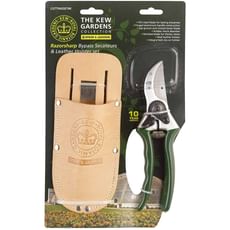
Many holsters offer universal fit suitable for standard bypass secateurs from various manufacturers. However, some holsters are specifically designed for particular models, especially when sold as matched sets like the Kew Gardens or Spear and Jackson combinations available from Tooled-Up.com. Check the product specifications for compatibility information, or consider universal-fit designs if you regularly use multiple secateurs of different makes and sizes.
How do I maintain a leather holster?
Clean leather holsters with a damp cloth to remove dirt and plant debris, then allow to air dry naturally away from direct heat sources like radiators or fires. Periodically treat with leather conditioner or dubbin to maintain suppleness and water resistance, particularly before winter storage or after prolonged wet weather use. Avoid prolonged submersion in water. Well-maintained leather holsters can last for decades of regular professional use, developing character whilst remaining fully functional.
Will my secateurs fall out when I bend over?
Quality holsters are designed with sufficient depth and often incorporate friction-fit construction or internal springs to retain tools securely during normal working movements including bending, kneeling, and reaching overhead. The snug fit should hold secateurs firmly whilst still allowing easy withdrawal when needed. If you experience tools falling out, you may need a deeper holster or one specifically shaped for your tool model rather than a universal design.
Are synthetic holsters as durable as leather?
Modern synthetic materials offer excellent durability, often with advantages including lighter weight, faster drying times, and resistance to rot or mildew in wet conditions. Whilst traditional leather provides superior abrasion resistance and a premium feel that many tradespeople prefer, quality synthetic holsters from brands like Makita deliver professional-grade performance. Your choice depends on personal preference and working conditions – both materials serve professionals effectively in their respective applications.
Can I attach a holster to normal trousers without a work belt?
Yes, most holsters feature belt loops sized to accommodate standard trouser belts, typically up to 50mm width. However, a dedicated work belt provides better weight distribution and stability, particularly if carrying multiple tools or working in demanding environments. For occasional garden use, a standard sturdy leather belt will suffice, but professional daily use benefits from proper work belt infrastructure that won't damage clothing or cause discomfort during long shifts.