

Tool Workstations

Pay in 3 interest-free payments on purchases from £20-£3000 with  . Learn more.
 Loading...
End of content
Error - No more pages to load
About Tool Workstations
Tool workstations are essential pieces of workshop furniture that provide dedicated, organised spaces for tool storage, project assembly, and hands-on work. These versatile units combine robust work surfaces with integrated storage solutions, typically featuring multiple drawers, pegboard panels, and tool holders to keep equipment readily accessible whilst maintaining a clutter-free workspace. From mobile roller cabinets with adjustable heights to specialised cutting stations designed for mitre saws and chop saws, tool workstations transform garages, workshops, and job sites into efficient working environments.
Modern tool workstations available from Tooled-Up.com range from compact single-unit solutions to comprehensive modular systems that can be customised to suit specific trades and workflows. Mobile workstations mounted on heavy-duty castors offer the flexibility to reposition your workspace as needed, whilst fixed units provide maximum stability for precision work. Many professional-grade models feature stainless steel construction for durability and easy cleaning, whilst others incorporate timber work surfaces ideal for carpentry and general assembly tasks.
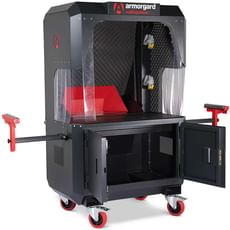
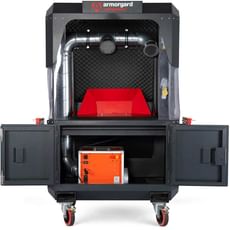
Specialised workstations such as chopsaw stations address specific safety and functionality requirements, incorporating features like dust extraction ports, expandable work areas for handling longer materials, and vibration-dampening designs that protect both the operator and surrounding equipment. Whether you're setting up a permanent workshop or need a portable solution for on-site work, tool workstations represent a worthwhile investment in productivity and organisation.
Jargon Buster
- Roller Cabinet: A mobile storage unit mounted on heavy-duty castors, typically featuring multiple drawers with ball-bearing slides for smooth operation. Often used as the base component of larger workstation setups.
- Pegboard Panel: A perforated board system that accepts hooks, holders, and brackets for hanging hand tools, keeping frequently used items within easy reach whilst maximising vertical storage space.
- Work Surface Load Capacity: The maximum weight a workstation top can safely support, typically ranging from 100kg for lighter units to 500kg or more for industrial-grade benches. Always consider the combined weight of tools, materials, and workpieces.
- Ball-Bearing Slides: Premium drawer mechanisms featuring steel ball bearings that allow smooth, full-extension drawer operation even under heavy loads, superior to standard roller systems.
- Cutting Station: A purpose-built workstation designed specifically for power saws, featuring expandable support arms for long materials, integrated safety features, and often incorporating dust extraction capabilities.
- Adjustable Height Mechanism: A feature allowing the work surface height to be modified to suit different tasks or operator preferences, reducing strain and improving ergonomics during extended use.
Who Uses Tool Workstations?
- Mechanics and Vehicle Technicians: For organising automotive tools and creating efficient workspaces in garages and workshops
- Carpenters and Joiners: Requiring stable surfaces for assembly work and storage for hand tools, power tools, and fixings
- Electricians: Needing organised storage for cable cutters, strippers, testers, and other specialist equipment
- Plumbers and Heating Engineers: For storing pipe cutters, wrenches, and preparing materials before installation
- General Builders and Construction Professionals: Benefiting from mobile workstations that can be transported between job sites
- Maintenance Teams: In commercial and industrial settings requiring centralised tool storage and workspace
- Fabricators and Metalworkers: Using cutting stations and heavy-duty benches for material preparation
- Serious DIY Enthusiasts: Looking to create professional-standard home workshops for renovation and hobby projects
- Manufacturing and Assembly Operatives: Requiring ergonomic workstations for repetitive assembly tasks
How to Choose the Right Tool Workstations
Workspace Dimensions: Measure your available floor space carefully, accounting for drawer opening clearances and sufficient room to manoeuvre around the unit. Consider ceiling height if you're looking at tall units with pegboard panels or overhead storage.
Mobility Requirements: Determine whether you need a fixed installation for maximum stability or a mobile unit on lockable castors. Mobile workstations suit multi-purpose spaces and site work, whilst fixed benches excel in dedicated workshops where vibration control matters.
Storage Capacity: Assess your tool collection and future needs. Count the number of drawers required and their depths – shallow drawers suit hand tools and small items, whilst deeper drawers accommodate power tools and bulkier equipment. The selection at Tooled-Up.com includes options from 4-drawer compact units to 10-drawer comprehensive systems.
Work Surface Material: Stainless steel surfaces offer superior durability, corrosion resistance, and easy cleaning for mechanical work, whilst timber tops provide a forgiving surface for carpentry and can be replaced if damaged. Some units feature removable tool trays for additional versatility.
Load Capacity: Match the workstation's load rating to your intended use. Lighter automotive work might require 200kg capacity, whilst heavy fabrication or working with machinery demands 400kg or more. Check both work surface and individual drawer load ratings.
Power Requirements: If you'll be using 240v power tools at the workstation, consider models with integrated power strips or plan for convenient access to electrical outlets. Some professional units include built-in charging stations for cordless tool batteries.
Specialised Features: For specific applications, purpose-built stations offer significant advantages. Chopsaw workstations provide expandable support arms, integrated dust extraction, and safety features that generic benches cannot match. Consider whether extraction capabilities, adjustable heights, or modular expansion options would benefit your workflow.
Popular Accessories
- Tool Drawer Organisers and Foam Inserts: Customisable foam or plastic divider systems that prevent tools from shifting and create dedicated storage positions
- Additional Pegboard Hooks and Tool Holders: Expanding vertical storage capabilities with specialised holders for screwdrivers, pliers, and power tools
- Magnetic Tool Rails: Mounted to workstation sides or backsplashes for quick-access storage of frequently used hand tools
- Dust Extraction Systems: Essential companions for cutting stations, connecting to on-board extraction ports to maintain clean, safe working environments
- Work Lamps and Task Lighting: Providing focused illumination for detailed work, many featuring magnetic bases or clamp mounts
- Anti-Fatigue Mats: Rubber or foam mats that reduce leg and back strain during extended periods standing at the workstation
- Drawer Liners: Protective liners that prevent tool damage and reduce noise when opening and closing drawers
- Vice and Clamp Systems: Mounted to work surfaces for securing workpieces during cutting, filing, or assembly
- Mobile Tool Chests: Stackable storage systems from manufacturers like DeWalt TSTAK, Milwaukee PACKOUT, or Makita MakPac that complement fixed workstations
Safety Information
Load Distribution: Never exceed the manufacturer's stated load capacity for work surfaces or individual drawers. Distribute weight evenly across the work surface and avoid concentrating heavy loads on edges or corners, which can cause structural failure or tipping.
Stability and Anchoring: Ensure mobile workstations have lockable castors engaged whenever working at the unit. For tall or heavily loaded units, consider securing to walls using manufacturer-supplied brackets to prevent tipping, particularly important in households with children.
Electrical Safety: When using 240v power tools at workstations, ensure electrical connections meet UK safety standards and consider RCD protection. Keep cables organised and away from cutting areas, and never overload power strips or extension leads.
Cutting Station Safety: Always follow HSE guidelines when operating power saws. Ensure cutting stations are positioned on level ground, use all supplied safety guards, connect dust extraction where fitted, and secure workpieces properly before cutting. Wear appropriate PPE including safety glasses, hearing protection, and dust masks.
Drawer Safety: Avoid opening multiple loaded drawers simultaneously on roller cabinets, as this can make the unit front-heavy and unstable. Ensure drawers are fully closed before moving mobile workstations.
Ergonomics: Position work surfaces at appropriate heights to reduce back and shoulder strain – typically between 850-950mm for general assembly work. Adjustable height workstations allow optimisation for different tasks and operators.
Frequently Asked Questions
What's the difference between a tool workstation and a standard workbench?
Tool workstations integrate storage and work surface in a single unit, typically featuring multiple drawers, tool organisation systems, and often mobility via castors. Standard workbenches focus primarily on providing a robust work surface with minimal or basic storage. Workstations offer superior organisation and space efficiency, making them ideal for professional workshops where tool accessibility and workflow matter.
Can I use a mobile workstation on uneven workshop floors?
Whilst mobile workstations function on moderately uneven surfaces, significant floor irregularities can affect stability and drawer operation. Most quality units feature adjustable feet or castors that can compensate for minor variations. For best results, position workstations on relatively level surfaces and always engage castor locks before use. Consider levelling compound for permanently positioned units in workshops with particularly uneven floors.
How much weight can typical workstation drawers hold?
Drawer capacities vary significantly by manufacturer and model. Budget units may feature drawers rated for 15-25kg, whilst professional-grade workstations with ball-bearing slides often support 35-50kg per drawer. Heavy-duty models designed for mechanical workshops can accommodate 75kg or more in larger drawers. Always check individual specifications and avoid exceeding stated capacities, as overloading damages slides and compromises safety.
Are stainless steel workstations worth the extra cost?
For professional mechanics, fabricators, or anyone working with oils, solvents, or in damp environments, stainless steel construction justifies the investment through superior corrosion resistance and longevity. The non-porous surface resists staining and cleans easily with standard workshop degreasers. For general carpentry or DIY use in dry conditions, powder-coated steel or timber-topped units often provide adequate performance at lower cost.
Do I need a specialised cutting station for my mitre saw?
Whilst mitre saws can operate on standard benches, dedicated cutting stations offer significant advantages: expandable support arms that accommodate materials up to 3 metres or more, integrated dust extraction reducing airborne particles by up to 90%, vibration dampening that improves cut accuracy, and safety features that contain sparks when cutting metal. For professional tradespeople using saws daily, particularly on site, cutting stations dramatically improve efficiency and comply with HSE dust control requirements.