

Torque Screwdrivers

Pay in 3 interest-free payments on purchases from £20-£3000 with  . Learn more.
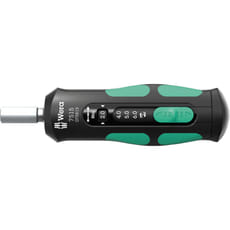
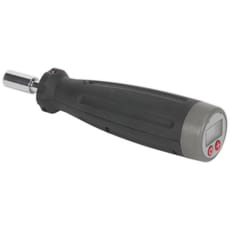
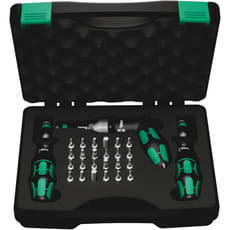
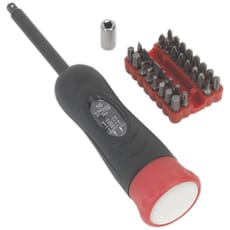
 Loading...
End of content
Error - No more pages to load
About Torque Screwdrivers
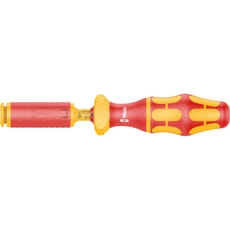
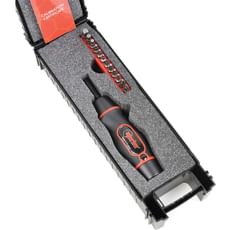
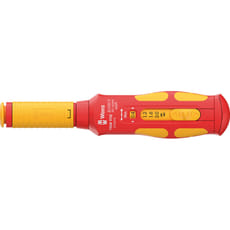
Torque screwdrivers are precision hand tools designed to apply a specific amount of rotational force (torque) to fasteners, ensuring they are tightened to exact manufacturer specifications without over-tightening or under-tightening. Unlike standard screwdrivers, these specialised tools feature adjustable or preset torque settings that prevent damage to sensitive components, stripped threads, and assembly failures. Available in both manual click-type and digital electronic versions, torque screwdrivers are essential for applications where precise fastening is critical to product performance, safety, or warranty compliance.
The selection at Tooled-Up.com includes torque screwdrivers from leading manufacturers such as Wera, Wiha, Norbar, Sealey, and Draper, ranging from simple single-setting models to comprehensive kits with multiple bits and interchangeable components. These tools typically feature torque ranges from as low as 0.1 Nm up to 10 Nm or more, covering everything from delicate electronics assembly to automotive applications. Many models comply with EN ISO 6789 standards, ensuring accuracy and traceability for quality-critical industries.
Modern torque screwdrivers incorporate ergonomic handles, easy-to-read torque scales, and quick-change bit holders for efficient operation. Digital models offer enhanced features including LED displays, audible alerts, and data logging capabilities, whilst traditional mechanical click-type screwdrivers provide reliable tactile and audible feedback when the preset torque value is reached. Both pistol-grip and inline handle configurations are available to suit different working positions and applications.
Jargon Buster
- Torque (Nm): The rotational force applied to a fastener, measured in Newton metres. This unit indicates how much turning force is being applied to tighten a screw or bolt to the correct specification.
- EN ISO 6789: The international standard that specifies requirements and test methods for torque tools, including accuracy tolerances, calibration procedures, and marking requirements. Compliance ensures professional-grade precision.
- Click-Type Mechanism: A mechanical system that produces an audible click and tactile release when the preset torque value is reached, signalling the operator to stop applying force.
- Torque Range: The minimum and maximum torque values a screwdriver can be set to deliver. Different models offer different ranges to suit various applications, from delicate electronics (0.1-1.0 Nm) to heavier mechanical work (2-10 Nm).
- Accuracy Tolerance: Expressed as a percentage (typically ±4% to ±6%), this indicates how closely the actual applied torque matches the set value. Higher-quality tools offer tighter tolerances for more precise fastening.
- Calibration Certificate: Documentation that verifies a torque tool has been tested and adjusted to meet accuracy standards. Regular recalibration (typically annually) maintains precision for quality-critical applications.
Who Uses Torque Screwdrivers?
Torque screwdrivers are essential tools for tradespeople and technicians across numerous industries:
- Electronics Technicians: Assembling and repairing computers, mobile devices, and consumer electronics where over-tightening can crack circuit boards or damage delicate components
- Automotive Engineers and Mechanics: Installing sensors, electrical connections, and precision components that require exact torque specifications
- Aerospace Technicians: Working on aircraft components where fastener torque is safety-critical and must be documented for regulatory compliance
- Bicycle Mechanics: Tightening carbon fibre components, stem bolts, and brake callipers to manufacturer specifications to prevent damage or failure
- Medical Equipment Technicians: Assembling and maintaining diagnostic and therapeutic devices where precise assembly is crucial
- Quality Control Inspectors: Verifying that assembly processes meet torque specifications in manufacturing environments
- Electrical Engineers: Installing terminal blocks, control panels, and sensitive electrical components to specified torque values
- Precision Engineers: Manufacturing and assembling machinery, instruments, and equipment requiring documented torque compliance
- DIY Enthusiasts: Maintaining bicycles, motorcycles, and other equipment where manufacturer torque specifications must be followed
How to Choose the Right Torque Screwdrivers
Torque Range Requirements: Identify the torque values you'll be working with most frequently. Electronics and small appliances typically require 0.1-2 Nm, whilst automotive and mechanical applications may need 2-10 Nm. Select a tool whose mid-range encompasses your common working values for optimal accuracy.
Accuracy and Certification: For professional applications requiring traceability, choose models compliant with EN ISO 6789 standards. Look for accuracy tolerances of ±4% to ±6%. Premium brands like Norbar, Wera, and Wiha offer calibration certificates and maintain excellent long-term accuracy.
Digital vs Mechanical: Mechanical click-type torque screwdrivers from manufacturers like Draper and Sealey provide reliable tactile feedback and require no batteries, making them ideal for site work. Digital models offer easier reading, data logging, and programmable settings but need periodic charging or battery replacement.
Bit Compatibility: Most torque screwdrivers accept standard 1/4" hex drive bits, but verify compatibility with your existing bit collection. Tooled-Up stocks comprehensive sets that include common Torx, hex, and Phillips bits for immediate productivity.
Handle Configuration: Inline handles suit confined spaces and provide better feel for low-torque applications, whilst pistol-grip designs offer more leverage and reduce wrist strain during repetitive use. Consider your typical working environment when selecting handle style.
Build Quality and Ergonomics: Premium brands like Wera's Kraftform range feature ergonomic soft-grip handles that reduce fatigue during extended use. Robust construction ensures consistent accuracy over thousands of cycles, making them worthwhile investments for professional tradespeople.
Popular Accessories
- Screwdriver Bit Sets: Comprehensive collections of Torx, hex, Phillips, and Pozidriv bits in various sizes to suit different fastener types
- Extension Bars: For reaching recessed fasteners whilst maintaining accurate torque application
- Calibration Services: Annual recalibration to maintain accuracy and compliance with quality standards
- Tool Cases and Storage: Protective cases that organise torque screwdrivers and accessories whilst preventing damage during transport
- Torque Testing Equipment: For verifying tool accuracy in professional workshop environments
- Replacement Bits: Individual bits to replace worn or damaged components without purchasing complete sets
- Torque Wrenches: Complementary tools for higher torque applications beyond screwdriver ranges
- Marking Pens: For documenting that fasteners have been torqued to specification during quality control procedures
Safety Information
Proper Use: Always apply force smoothly and steadily along the centreline of the tool. Jerking, side-loading, or using extensions that aren't calibrated with the tool can result in inaccurate torque application and potential component damage.
Regular Calibration: Torque screwdrivers gradually lose accuracy through normal use. Professional tools should be recalibrated annually or after a specified number of cycles to maintain compliance with EN ISO 6789 standards. Keep calibration certificates for quality-critical work.
Storage and Handling: Store torque screwdrivers at their lowest torque setting to relieve spring tension and maintain accuracy. Protect tools from drops, impacts, and exposure to solvents that could damage internal mechanisms or accuracy.
Never Use as a Breaker Bar: Torque screwdrivers are precision instruments designed only for tightening to specification. Never use them to loosen fasteners or apply force beyond their maximum rated torque, as this will damage the calibration mechanism.
Eye Protection: Wear appropriate safety glasses when using any screwdriver, as fasteners or bits can potentially slip or break during use, particularly when working with corroded or damaged components.
Frequently Asked Questions
How often should torque screwdrivers be calibrated?
For professional applications, torque screwdrivers should be recalibrated annually or after approximately 5,000 cycles, whichever comes first. Quality-critical industries like aerospace may require more frequent calibration every six months. Keep records of calibration dates and certificates for traceability. Brands like Norbar and Wera offer recalibration services to maintain EN ISO 6789 compliance.
Can I use torque screwdrivers for loosening fasteners?
No, torque screwdrivers should only be used for tightening fasteners to specification. Using them to loosen or break torque on fasteners will damage the internal calibration mechanism and void accuracy guarantees. Use a standard screwdriver or appropriate tool for removal, then apply your torque screwdriver for final tightening to the correct specification.
What's the difference between click-type and digital torque screwdrivers?
Click-type torque screwdrivers use a mechanical mechanism that produces an audible click and tactile release when the preset torque is reached. They're robust, require no batteries, and are ideal for site work. Digital models display the torque value on an LED screen, offering easier reading, programmable settings, and data logging capabilities. Digital versions typically cost more but provide additional functionality for quality documentation requirements.
Why is my torque screwdriver clicking before reaching the fastener torque?
This usually indicates the tool requires recalibration, has been damaged through misuse, or is being used outside its optimal torque range. Torque tools are most accurate in the middle 20-80% of their range. If you're working at the extreme ends, consider a different tool with a more appropriate range. Alternatively, verify you're applying force smoothly along the centreline without side-loading.
Do I need different torque screwdrivers for different applications?
Most tradespeople benefit from having at least two torque ranges. A low-range tool (0.1-2 Nm) suits electronics, small appliances, and delicate components, whilst a mid-range tool (2-10 Nm) handles automotive, bicycle, and general mechanical applications. Browse the comprehensive selection at Tooled-Up.com to find models that match your specific industry requirements, or consider versatile kit sets from Wera or Draper that cover multiple torque ranges.