

Towels & Wipes
Pay in 3 interest-free payments on purchases from £30-2000 with  . Learn more.
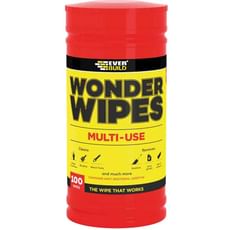
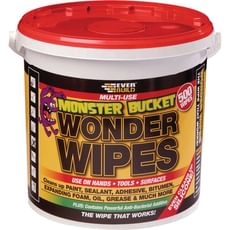
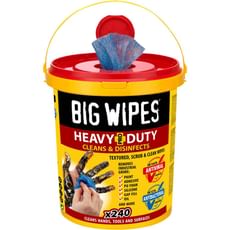
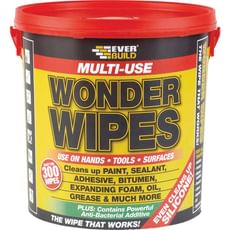


 Loading...
End of content
Error - No more pages to load
About Towels & Wipes
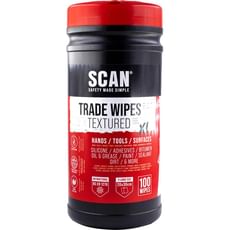
Professional cleaning towels and wipes are essential consumables for tradespeople, workshops, and industrial environments where maintaining cleanliness is crucial for both safety and quality workmanship. Whether removing oils, paints, adhesives, sealants, or general grime, having the right cleaning wipes to hand can make the difference between a professional finish and a compromised result. The selection at Tooled-Up.com includes heavy-duty hand wipes, multi-purpose cleaning cloths, antibacterial surface wipes, and specialist workshop paper rolls designed to tackle the toughest cleaning challenges on site and in the workshop.
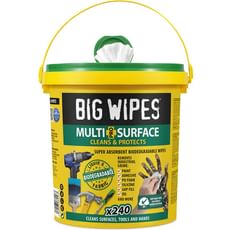
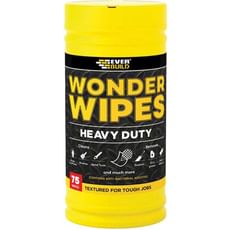
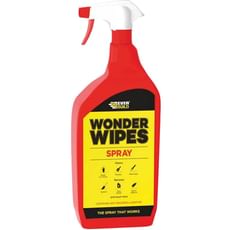
Modern industrial wipes have evolved far beyond simple paper towels. Today's professional cleaning products feature advanced formulations with skin-conditioning agents, powerful degreasers, and antibacterial properties, whilst many are now manufactured from biodegradable materials sourced from FSC-approved forests. From Big Wipes' biodegradable multi-surface solutions to Everbuild's Wonder Wipes range and Sealey's heavy-duty dispenser systems, these products are engineered specifically for trade environments where standard household cleaning products simply won't cope with substances like expanding foam, silicone, bitumen, or polyurethane.
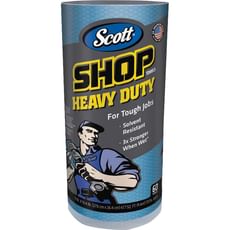
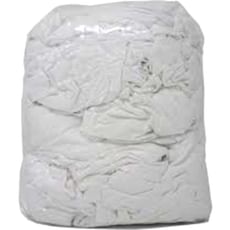
Professional towels and wipes come in various formats including individual sachets, bucket dispensers, wall-mounted brackets, and large tub systems. Cotton rags remain popular for polishing and precision cleaning work, whilst heavy-duty paper rolls offer cost-effective solutions for general workshop maintenance. Many products now combine cleaning power with skin care, recognising that tradespeople frequently clean their hands throughout the day and require products that won't cause dermatitis or excessive skin drying.
Jargon Buster
- Biodegradable Wipes
- Cleaning wipes manufactured from natural fibres such as wood pulp that break down naturally after disposal, reducing environmental impact. Many modern trade wipes are now made from FSC-certified materials without bleach or synthetic dyes.
- Antibacterial/Antiviral Certification
- Wipes tested and certified to standards such as EN14476 and EN1276, proving their effectiveness at eliminating bacteria and viruses. Essential for environments requiring hygiene compliance or food-safe surfaces.
- Creped Paper
- Paper that has been treated to create a crinkled texture, increasing absorbency and strength. Commonly used in workshop roll towels where high liquid absorption is needed without the wipe disintegrating.
- Skin Conditioning Agents
- Additives such as aloe vera, lanolin, or vitamin E included in hand wipes to prevent skin drying and irritation during repeated use throughout the working day.
- Degreaser Formula
- Chemical formulation specifically designed to break down oils, greases, and petroleum-based substances. Professional-grade degreasers work on cold surfaces without requiring water or rinsing.
- GSM (Grams per Square Metre)
- Measurement indicating the weight and typically the thickness and durability of paper towels or cloth wipes. Higher GSM generally means stronger, more absorbent material suitable for heavy-duty applications.
Who Uses Towels & Wipes?
- General Builders – removing plaster dust, cement residue, and general site dirt from hands and surfaces
- Decorators and Painters – cleaning paint spills, removing masking tape residue, and wiping brushes between colours
- Plumbers – removing flux, soldering paste, jointing compound, and silicone sealant from hands and pipework
- Electricians – cleaning cable pulling lubricant, marking out residue, and maintaining clean work areas in domestic properties
- Mechanics and Vehicle Technicians – essential for removing oils, greases, and automotive fluids throughout the working day
- Joiners and Carpenters – cleaning adhesives, wood stains, and maintaining dust-free surfaces before finishing
- Roofers – removing bitumen, felt adhesive, and weatherproofing compounds
- HVAC Engineers – cleaning refrigerant oils, brazing flux, and maintaining hygienic installations
- Facilities Maintenance Staff – general purpose cleaning across industrial and commercial premises
- Workshop Managers – maintaining cleanliness standards and providing hand cleaning facilities for staff
- DIY Enthusiasts – tackling home improvement projects requiring professional-grade cleaning solutions
How to Choose the Right Towels & Wipes
Consider the Substance Being Removed: Different contaminants require different cleaning solutions. Heavy-duty industrial wipes with degreaser formulations work best for oils, greases, and petroleum products. For paints, adhesives, and sealants, look for solvent-based wipes like the Everbuild Wonder Wipes range. Antibacterial multi-surface wipes are ideal for environments requiring hygiene compliance or when working in occupied domestic properties.
Hand Wipes vs Surface Wipes: Products formulated for hand cleaning contain skin conditioning agents and pH-balanced formulations to prevent dermatitis. Surface wipes may contain stronger chemicals suitable for materials but not prolonged skin contact. Tooled-Up stocks both varieties, so ensure you select the appropriate type for your application.
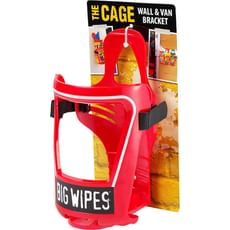
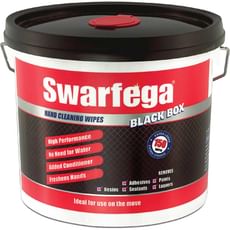
Dispenser Format and Portability: Consider where and how you'll use the wipes. Wall-mounted brackets and van brackets keep tubs secure and accessible, ideal for fixed workshop locations or commercial vehicles. Bucket dispensers with lids prevent wipes drying out in dusty environments. Individual sachets or smaller tubs offer portability for mobile tradespeople working across multiple sites.
Material Construction: Biodegradable wood pulp wipes offer environmental benefits and excellent absorbency with a towel-like texture. Traditional cotton rags remain unmatched for polishing and lint-free precision cleaning. Heavy-duty paper rolls provide cost-effective solutions for general workshop maintenance where disposability after each use is preferred.
Quantity and Cost Per Wipe: Large tubs and bulk packs reduce per-wipe costs for high-volume users such as workshops and maintenance departments. Smaller quantities suit occasional users or those wanting to trial different products. Consider usage rates – a busy mechanic might use 10-20 wipes daily, whilst a decorator might use considerably fewer.
Regulatory Compliance: For food preparation areas, healthcare facilities, or anywhere hygiene certification is required, choose wipes with appropriate EN standard certification. Check COSHH data sheets if using wipes containing solvents in confined spaces or areas requiring specific health and safety documentation.
Popular Accessories
- Wall and Van Mounting Brackets – secure wipe tubs in fixed positions, preventing spillage and keeping dispensers accessible
- Bucket Dispensers with Lids – protect wipes from drying out in dusty workshop environments whilst providing easy access
- Barrier Cream and After-Work Skin Care – protects hands before work and restores skin condition after repeated cleaning
- Disposable Gloves – reduce the need for frequent hand cleaning when working with particularly harsh substances
- Hand Cleaner Stations – complement wipes with soap dispensers and hand sanitiser for comprehensive hand hygiene
- Waste Bins with Lids – proper disposal of used wipes, particularly important for flammable or contaminated materials
- Paper Towel Dispensers – wall-mounted holders for workshop roll towels providing tear-off convenience
- Workshop Aprons and Disposable Overalls – reduce the amount of cleaning required by protecting clothing from contamination
Safety Information
Always read product labels and COSHH data sheets before use, particularly for wipes containing solvents or strong degreasers. Some cleaning formulations may cause skin irritation in sensitive individuals – discontinue use if redness or itching develops and consult a medical professional if symptoms persist. When using solvent-based wipes in confined spaces, ensure adequate ventilation to prevent inhalation of vapour concentrations.
Store wipes away from heat sources and naked flames, as some formulations are flammable. Keep lids securely closed when not in use to prevent drying out and reduce fire risk. Used wipes contaminated with flammable substances should be disposed of in metal bins with lids, never left in piles where spontaneous combustion could occur.
For antibacterial and antiviral wipes, follow contact time recommendations on the packaging – surfaces typically need to remain wet for 30-60 seconds to achieve stated kill rates. These products are designed for surface cleaning and should not be used on skin unless specifically labelled as suitable for hand cleaning. Wear appropriate PPE including safety glasses when cleaning surfaces above head height to prevent drips entering eyes.
Frequently Asked Questions
What's the difference between hand wipes and surface wipes?
Hand wipes are formulated with skin-safe ingredients, pH-balanced solutions, and conditioning agents like aloe vera to prevent dermatitis during repeated daily use. Surface wipes may contain stronger solvents and chemicals effective on materials but potentially irritating to skin. Always check the product label – hand wipes will explicitly state they're suitable for skin contact, whilst surface wipes are designed exclusively for cleaning materials and equipment.
Are biodegradable wipes as effective as traditional wipes?
Modern biodegradable wipes, such as those from Big Wipes, match or exceed the performance of traditional synthetic alternatives. Made from wood pulp fibres with natural textures similar to cotton, they offer excellent absorbency and cleaning power. The biodegradable aspect refers to the base material breaking down naturally after disposal, whilst the cleaning formulations remain highly effective against oils, greases, and contaminants. Many tradespeople now prefer biodegradable options for their environmental credentials without compromising on cleaning performance.
How long do opened tubs of wipes stay effective?
Once opened, most professional wipes remain effective for 3-12 months if the lid is kept securely closed between uses. The main issue with opened tubs is evaporation of the cleaning solution and moisture, causing wipes to dry out rather than losing chemical effectiveness. Store tubs in cool locations away from direct sunlight and heat sources. If wipes become slightly dried, they may still be usable for less demanding applications, though heavily dried wipes should be replaced for optimal cleaning performance.
Can I use industrial hand wipes if I have sensitive skin?
Many modern industrial hand wipes now include skin conditioning agents and are dermatologically tested, making them suitable for most users including those with moderately sensitive skin. However, individuals with diagnosed skin conditions or known sensitivities should test a small area first or consult product COSHH data sheets. Consider wipes specifically marketed as gentle or sensitive formulations, which typically exclude harsh solvents and fragrances whilst still providing effective cleaning for most workshop substances.
Do I need different wipes for different jobs?
While multi-purpose wipes handle many common cleaning tasks, specialist wipes deliver better results for specific applications. Heavy-duty industrial wipes with degreaser formulations excel at removing oils and greases but may be unnecessary for removing water-based paints. Antibacterial surface wipes provide hygiene compliance in domestic properties but won't tackle silicone sealant effectively. Most tradespeople find that stocking 2-3 different wipe types – a good hand cleaner, a heavy-duty degreaser, and a multi-purpose option – covers the vast majority of professional cleaning requirements without unnecessary expense.