

Transplanting Trowels
Pay in 3 interest-free payments on purchases from £30-2000 with  . Learn more.
 Loading...
End of content
Error - No more pages to load
About Transplanting Trowels
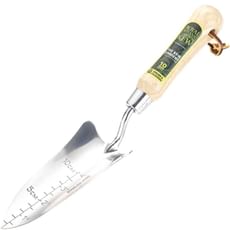
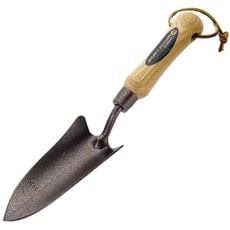
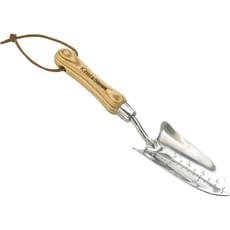
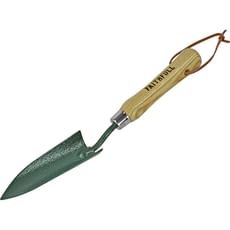
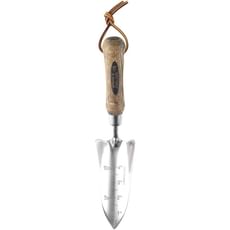
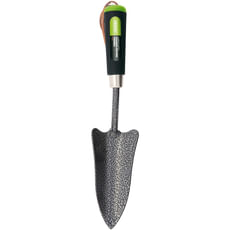
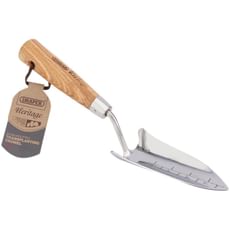
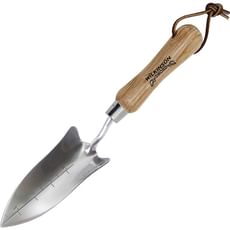
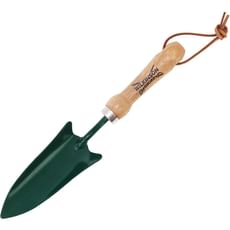
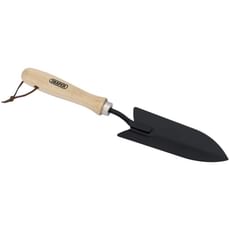
Transplanting trowels are specialist gardening tools designed with a narrow, deeply curved blade that makes them ideal for precise planting tasks. Unlike standard garden trowels with their wider blades, transplanting trowels excel at creating neat, cylindrical planting holes for bulbs, seedlings, and small plants whilst minimising disturbance to surrounding soil and root systems. The elongated blade design allows gardeners to work in confined spaces and transplant delicate specimens with accuracy and care.
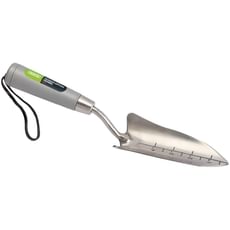
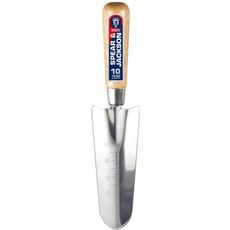
Tooled-Up.com stocks a comprehensive selection of transplanting trowels from trusted brands including Spear and Jackson, Draper, Bulldog, and Kew Gardens. These tools are available in various blade materials including carbon steel for durability and stainless steel for rust resistance, each offering distinct advantages depending on soil type and usage frequency. Many models feature graduated blade markings that enable consistent planting depth, whilst handle options range from traditional hardwood and ash to modern ergonomic plastic and aluminium designs with cushioned grips.
Whether you're establishing new borders, dividing perennials, or planting spring bulbs, a quality transplanting trowel is an essential addition to any gardener's toolkit. The narrow profile makes it particularly effective for working between established plants, extracting deep-rooted weeds, and creating precise holes in rockeries or container gardens where space is at a premium.
Jargon Buster
- Carbon Steel Blade: A durable, hardened metal blade that holds a sharp edge excellently and provides strength for penetrating compacted soil. Requires occasional maintenance to prevent rust in damp conditions.
- Stainless Steel Blade: A corrosion-resistant blade material that requires minimal maintenance and won't rust when left outdoors or stored damp. Generally slightly softer than carbon steel but ideal for wet conditions.
- Graduated Markings: Measurement indicators etched or stamped into the blade (typically in inches or centimetres) that help ensure consistent planting depth for bulbs and seedlings.
- Tang: The extension of the blade that fits into the handle. A full tang runs through the entire handle length, providing superior strength and longevity compared to partial tang construction.
- Ferrule: The metal collar that connects the blade to the handle, preventing splitting and providing structural reinforcement at the point of greatest stress.
- Epoxy Coating: A protective resin layer applied to some carbon steel blades to prevent corrosion whilst maintaining blade strength and sharpness.
Who Uses Transplanting Trowels?
- Professional Gardeners and Landscapers: For precise planting work in client gardens and commercial landscaping projects
- Horticulturalists and Nursery Staff: Essential for potting on seedlings and transplanting containerised stock
- Grounds Maintenance Teams: Used for establishing bedding displays in parks, gardens, and public spaces
- Allotment Holders: Ideal for planting vegetables, dividing perennials, and general plot maintenance
- Garden Centre Employees: For demonstrating planting techniques and maintaining display gardens
- Domestic Gardeners and Enthusiasts: Anyone maintaining flower beds, vegetable patches, or container gardens
- Garden Designers: For implementing planting schemes with precision and minimal disturbance
How to Choose the Right Transplanting Trowel
Blade Material: Carbon steel blades from brands like Bulldog and Faithfull offer exceptional strength and edge retention, making them ideal for heavy clay soils and frequent use. Stainless steel options from Spear and Jackson and Kent and Stowe require less maintenance and won't discolour in wet conditions, though they may require more frequent sharpening.
Handle Design: Traditional hardwood and ash handles provide natural comfort and absorb vibration, whilst moulding to your hand over time. Modern synthetic handles often feature ergonomic contours and cushioned grips that reduce hand fatigue during extended use. Consider whether a wrist strap would be beneficial for preventing accidental drops.
Blade Depth and Width: The range available from Tooled-Up includes varying blade dimensions suited to different tasks. Deeper, narrower blades work best for bulb planting and extracting deep-rooted weeds, whilst slightly wider profiles offer versatility for general transplanting work.
Graduated Markings: If you regularly plant bulbs at specific depths or need consistent results across large areas, choose a trowel with clear blade graduations. These depth indicators eliminate guesswork and ensure optimal planting conditions.
Build Quality: Examine the ferrule construction and tang type. Premium models feature hardened and tempered blades with robust ferrules that withstand years of levering action in difficult soils. British-made options from established manufacturers often provide superior longevity.
Intended Use: Occasional domestic gardeners may find a mid-range stainless steel model perfectly adequate, whilst professional landscapers benefit from investing in heavy-duty carbon steel tools with lifetime guarantees from brands like Spear and Jackson Neverbend.
Popular Accessories
- Garden Kneelers and Pads: Protect your knees during extended planting sessions
- Hand Forks: Complement your transplanting trowel for loosening soil and removing weeds
- Garden Dibbers: Useful for creating precise holes in prepared soil for smaller transplants
- Tool Belts and Holsters: Keep your transplanting trowel within easy reach whilst working
- Sharpening Stones and Files: Maintain sharp blade edges for effortless soil penetration
- Tool Cleaning Brushes: Remove soil and debris to prolong tool life
- Garden Twine and Plant Labels: Essential for organising newly transplanted specimens
- Compost and Potting Media: Provide optimal growing conditions for transplanted plants
- Tool Storage Solutions: Protect your investment with appropriate shed organisation systems
Frequently Asked Questions
What's the difference between a transplanting trowel and a standard garden trowel?
Transplanting trowels feature a narrower, deeper blade profile specifically designed for creating cylindrical planting holes and working in confined spaces. Standard garden trowels have wider, shallower blades better suited to general digging, scooping compost, and breaking up soil. The transplanting trowel's slim design minimises disturbance to neighbouring plants and roots.
Should I choose carbon steel or stainless steel?
Carbon steel blades are harder, hold a sharper edge longer, and penetrate compacted soil more easily, making them ideal for heavy-duty use. However, they require cleaning and occasional oiling to prevent rust. Stainless steel blades resist corrosion without maintenance and work well in wet conditions, though they're slightly softer and may need more frequent sharpening. Consider your soil type, storage conditions, and maintenance preferences when deciding.
How do I maintain my transplanting trowel?
After each use, remove soil with a stiff brush and wipe the blade clean. For carbon steel tools, apply a light coating of oil or WD-40 to prevent rust. Stainless steel requires less maintenance but benefits from occasional cleaning. Periodically sharpen the blade edge with a file or sharpening stone to maintain cutting efficiency. Store in a dry location and check wooden handles for splinters, treating with linseed oil if they become dry.
Can transplanting trowels be used for bulb planting?
Absolutely. Transplanting trowels are excellent for planting bulbs, particularly in established borders where dedicated bulb planters might damage existing root systems. The narrow blade creates appropriately sized holes, whilst graduated markings help ensure correct planting depth. Many gardeners prefer transplanting trowels over bulb planters for their versatility and precision in confined spaces.
What size transplanting trowel do I need?
Most transplanting trowels feature blades between 150mm and 200mm in length, which suits the majority of planting tasks. Longer blades work better for deep bulb planting and extracting tap-rooted weeds, whilst shorter versions offer increased control for delicate work in rockeries and alpine gardens. Consider the typical depth of your planting holes and choose a blade length that provides adequate reach without being unwieldy.