

Tyre Changers

Pay in 3 interest-free payments on purchases from £20-£3000 with  . Learn more.

 Loading...
End of content
Error - No more pages to load
About Tyre Changers
Tyre changers are specialised workshop machines designed to remove and fit tyres onto vehicle wheels quickly, safely and with minimal risk of damage to expensive alloy rims or tyre beads. Whether you're operating a busy independent garage, running a mobile tyre fitting service, or maintaining a fleet of commercial vehicles, investing in quality tyre changing equipment transforms what can be a physically demanding and time-consuming task into a streamlined professional operation. Modern tyre changers range from compact manual models suitable for occasional use through to semi-automatic and fully automatic machines capable of processing dozens of wheels daily.
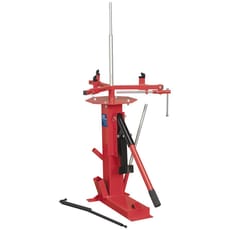
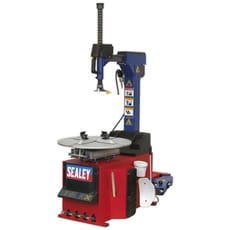
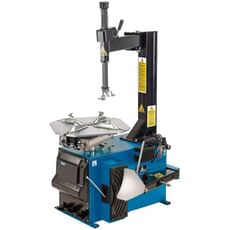
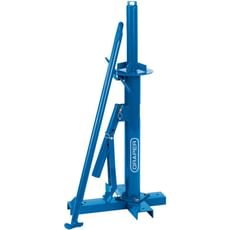
The selection at Tooled-Up.com includes manual, semi-automatic and fully automatic tyre changers to suit different workshop requirements and budgets. From the Sealey TC965 motorcycle and mini tyre changer ideal for smaller workshops or mobile operations, through to robust semi-automatic machines like the Draper Expert TC100 capable of handling car and light commercial vehicle wheels up to 23" diameter, each machine is designed to reduce physical strain whilst protecting wheel finishes. Key brands including Sealey and Draper offer reliable equipment backed by UK-based technical support and readily available spare parts.
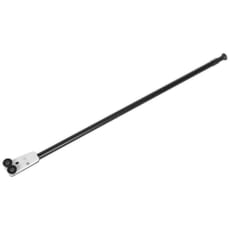
Modern workshop tyre changers typically operate on standard 240V UK mains power and incorporate safety features designed to meet current HSE workplace requirements. Complementary equipment such as hydraulic bead breakers, alloy-safe tyre bars like the Sealey TC963, and assist arms for handling stiff low-profile and run-flat tyres enhance efficiency and protect both technicians from repetitive strain injuries and customers' wheels from costly cosmetic damage. Whether you're performing seasonal tyre changes or running a high-volume tyre fitting operation, choosing appropriate tyre changing equipment is essential for professional results.
Jargon Buster
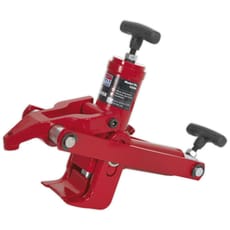
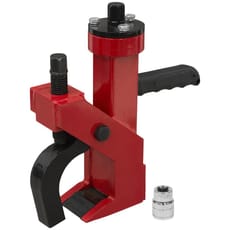
- Bead Breaker: A hydraulic or mechanical mechanism that forces the tyre bead away from the wheel rim, breaking the airtight seal before the tyre can be removed. Essential for any tyre changing operation, with standalone units like the Sealey TC966 available for workshops without integrated systems.
- Turntable: The rotating platform on which the wheel is mounted during tyre removal and fitting. The wheel is clamped to the turntable which rotates to allow the tyre to be worked around the entire circumference, with motorised turntables featured on semi-automatic models.
- Mounting Head/Demounting Head: The tool arm that presses against the tyre and wheel rim to lever the tyre on or off. Semi-automatic machines have powered mounting heads whilst manual changers require physical leverage from the operator using tyre bars.
- Rim Clamps: The adjustable jaws that secure the wheel to the turntable. External clamps grip the outside of the rim whilst internal clamps grip from the inside to prevent cosmetic damage to alloy wheels, with self-centring four-jaw systems ensuring accurate positioning.
- Assist Arm/Helper Arm: An additional powered arm that holds down the tyre sidewall opposite the mounting head, particularly useful for low-profile and run-flat tyres which are considerably stiffer and more difficult to mount than conventional tyres.
- Centre Post: The vertical column at the centre of the tyre changer around which the turntable rotates and to which the mounting head is attached, providing the structural rigidity necessary for safe operation.
Who Uses Tyre Changers?
- Independent Garages and MOT Centres – handling daily tyre changes for customer vehicles across all makes and models
- Fast-Fit Tyre Centres – high-volume tyre replacement specialists requiring efficient semi-automatic or automatic equipment
- Mobile Tyre Fitting Services – using portable or compact manual tyre changers for on-site work at customer locations
- Fleet Maintenance Workshops – servicing company vehicles, vans and light commercial fleets with regular tyre replacements
- Motorcycle Workshops and Dealerships – using specialised motorcycle tyre changers for two-wheeled vehicles
- Agricultural and Plant Machinery Workshops – maintaining specialist vehicle tyres for farm and construction equipment
- Motorsport Teams and Race Preparation Shops – performing frequent tyre changes during testing sessions and race weekends
- Car Dealership Service Departments – providing comprehensive vehicle servicing including seasonal tyre changes
- Serious DIY Enthusiasts and Classic Car Restorers – maintaining multiple vehicles or performing seasonal summer and winter tyre swaps
How to Choose the Right Tyre Changers
Workshop Space and Installation: Consider your available floor space carefully before purchasing. Semi-automatic and automatic tyre changers require permanent bolting to solid concrete floors and adequate clearance around the machine for safe operation. Manual tyre changers and portable models suit smaller workshops or mobile operations. Measure your workshop ceiling height as well – sufficient overhead clearance is essential for lifting wheels onto the machine safely.
Volume and Type of Work: Manual tyre changers are economical for occasional use or low-volume work, but require significant physical effort and technique. Semi-automatic machines like those from Draper and Sealey dramatically speed up the process for garages handling multiple tyre changes daily. Fully automatic models with assist arms are essential for high-volume operations or when regularly handling difficult low-profile and run-flat tyres that resist conventional mounting methods.
Vehicle Specifications: Ensure the tyre changer's specifications match your typical workload. Check the maximum wheel diameter and tyre width capacity carefully. Motorcycle and mini tyre changers are specifically designed for smaller wheels, whilst standard car tyre changers typically handle wheels from 10" to 24" diameter. If you service light commercial vehicles or larger 4x4s, verify the machine can accommodate these larger rim diameters and heavier wheel assemblies.
Wheel Protection Features: When working with expensive alloy wheels, look for tyre changers with nylon or plastic-coated rim clamps, alloy-safe tyre bars, and internal clamping systems that grip the wheel from inside the rim rather than the outer edge. Plastic protectors on mounting heads prevent scratching during the demounting process. The Sealey TC963 aluminium wheels tyre bar exemplifies specialist tools designed to prevent damage to alloy finishes.
Power and Operating Requirements: Most semi-automatic and automatic tyre changers operate on standard 240V single-phase UK mains power, but verify the current draw is compatible with your workshop electrical installation and circuit protection. Some models also require compressed air for pneumatic operation of bead breakers and clamping systems. Manual and hydraulic models require no electrical connection, offering flexibility for mobile work or workshops with limited power infrastructure.
Brand Reputation and Aftercare: Tooled-Up stocks reliable equipment from established brands like Sealey and Draper, offering UK-based technical support and spare parts availability. Consider the availability of consumable parts like protective rim covers and the ease of sourcing replacement components for long-term operation. Check warranty terms and whether training or installation support is available.
Popular Accessories
- Assist Arms and Helper Arms – essential additions for handling stiff low-profile and run-flat tyres more easily, reducing operator effort
- Hydraulic Bead Breakers – standalone units for breaking stubborn tyre beads on wheels that resist conventional methods
- Specialist Tyre Bars and Levers – including alloy-safe bars with protective coatings for delicate wheels and extended reach bars
- Rim Protectors and Guards – plastic or rubber covers that prevent scratching and scuffing during tyre changes, particularly important for diamond-cut finishes
- Wheel Balancers – often purchased alongside tyre changers for complete wheel servicing capability in a single workshop
- Tyre Inflator Cages and Safety Cages – for safely inflating tyres after fitting, particularly important for split rims and commercial vehicle wheels
- Bead Seating Tools and Lubricants – specialist aids for difficult tyre installations and ensuring proper bead seating without damage
- Motorcycle Adapters – conversion kits allowing standard tyre changers to handle motorcycle wheels when occasional two-wheel work is required
- Replacement Nylon Jaw Covers – consumable protection for rim clamps that require periodic replacement to maintain wheel protection
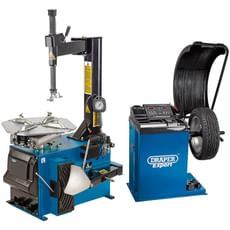
- Tyre Changer and Wheel Balancer Kits – complete packages offering both machines with coordinated specifications for comprehensive wheel services
Safety Information
Tyre changing equipment must be operated safely to prevent serious injury. Always ensure the machine is properly bolted to a solid concrete floor according to the manufacturer's instructions – an unsecured tyre changer can tip during operation, causing severe injury. When breaking tyre beads, ensure all personnel stand clear of the wheel as sudden releases can cause violent movement. Never exceed the manufacturer's specified maximum tyre diameter, width or wheel weight capacity, as overloading can cause mechanical failure.
Wear appropriate personal protective equipment including safety glasses or face shield to protect against flying debris and tyre dust, and steel toe-capped boots as wheels are heavy and can cause crush injuries if dropped. Ensure adequate ventilation in your workshop as tyre dust and lubricants can create respiratory hazards over time. Always deflate tyres completely before attempting to remove them from wheels – attempting to work on inflated tyres can result in explosive decompression and serious injury or fatality.
Inspect wheels carefully before mounting on the tyre changer, looking for cracks, corrosion or structural damage that might cause failure during operation. When using tyre lubricants, avoid petroleum-based products that can degrade rubber compounds and compromise tyre integrity. Ensure all electrical equipment is properly earthed and connected through an RCD (residual current device) to protect against electric shock. Consult the HSE guidance on workplace equipment safety and ensure all operators receive proper training before using tyre changing equipment independently.
Frequently Asked Questions
What's the difference between manual, semi-automatic and automatic tyre changers?
Manual tyre changers require the operator to physically lever the tyre on and off the rim using tyre bars and hand tools, though they include a mechanical bead breaker to separate the tyre from the rim initially. Semi-automatic machines have a powered turntable and mounting head that does most of the heavy work, but the operator still guides the process and positions the tyre. Fully automatic tyre changers with assist arms require minimal operator intervention and are fastest for high-volume work, particularly with difficult low-profile tyres that resist conventional mounting techniques.
Can I use a standard car tyre changer for motorcycle tyres?
Whilst some car tyre changers can handle small motorcycle wheels with appropriate adapters, dedicated motorcycle tyre changers like the Sealey TC965 are specifically designed for the smaller diameters and different construction of motorcycle tyres. They're also more compact and better suited to the typical motorcycle workshop environment. If you regularly work on both cars and motorcycles, consider whether a universal machine with adapters or separate dedicated equipment better suits your workflow and available space.
Do I need three-phase power for a tyre changer?
Most semi-automatic and automatic tyre changers designed for independent garages and small workshops operate on standard 240V single-phase UK mains power, making them suitable for typical workshop electrical installations without requiring expensive electrical upgrades. Very heavy-duty industrial models may require three-phase power, but these are generally only necessary for high-volume commercial operations processing hundreds of tyres weekly. Always check the electrical specifications before purchasing to ensure compatibility with your workshop supply.
How do I prevent damaging alloy wheels when changing tyres?
Use internal rim clamps rather than external clamps where possible, as these grip the wheel from inside and don't contact the visible face of the wheel. Ensure all clamping jaws have intact nylon or plastic protective covers, and replace worn covers immediately as exposed metal will scratch alloy finishes. Use alloy-specific tyre bars with protective coatings, apply appropriate tyre lubricant to reduce friction during mounting, and work carefully around the wheel circumference. Many modern semi-automatic tyre changers include alloy-safe features as standard, but operator technique and care remain crucial for preventing cosmetic damage.
What maintenance does a tyre changer require?
Regular maintenance includes lubricating moving parts according to the manufacturer's schedule, checking and tightening mounting bolts periodically, inspecting rim clamp protectors for wear and replacing as needed, and cleaning accumulated tyre compound and debris from the turntable and mounting head after each session. For pneumatic systems, check air lines for leaks and ensure proper operating pressure. For hydraulic systems, check fluid levels regularly and inspect for leaks. Keep the machine clean and properly maintained to ensure long service life and protect expensive wheels from damage caused by worn or dirty components that can scratch delicate finishes.