

Vacuums & Dust Extractors
Pay in 3 interest-free payments on purchases from £30-2000 with  . Learn more.
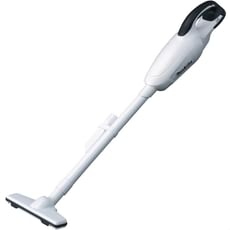
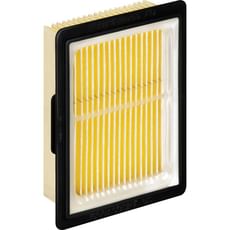
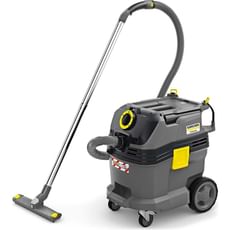
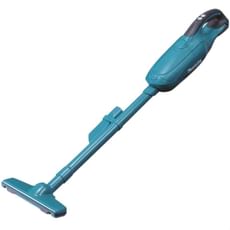
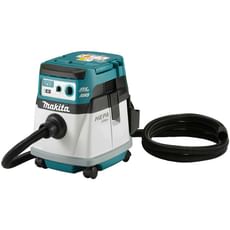
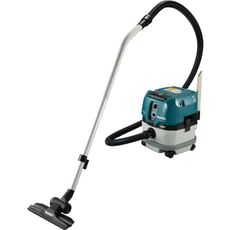
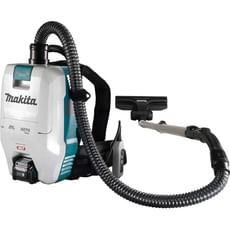
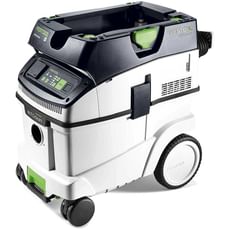
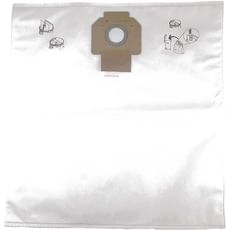

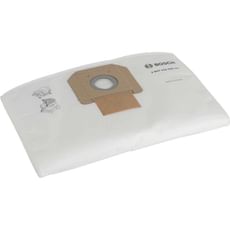
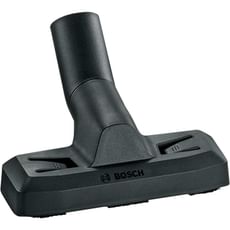
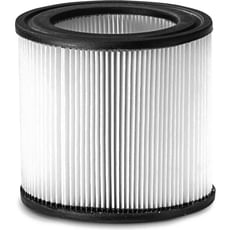
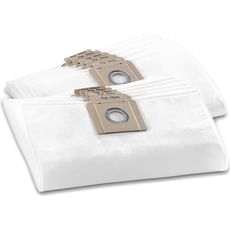
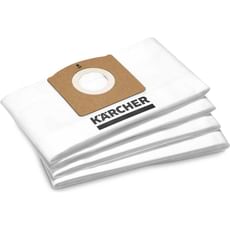
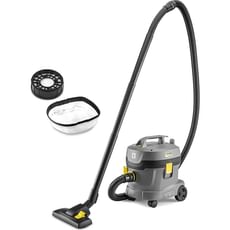
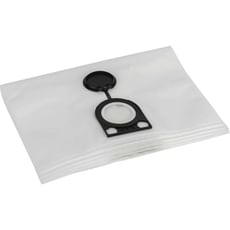
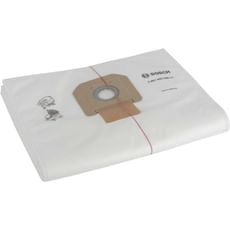
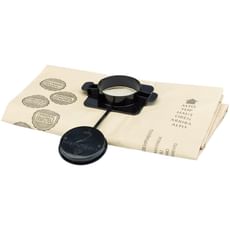
Karcher M Class Fleece Filter Dust Bags for T 10/1 and 12/1 Vacuum Cleaners
available


 Loading...
End of content
Error - No more pages to load
About Vacuums & Dust Extractors
Vacuums and dust extractors are essential equipment for maintaining clean, safe, and compliant working environments across professional trades and DIY projects. Whether you're cutting, sanding, drilling, or grinding, effective dust extraction protects your health, improves visibility, extends tool life, and keeps workspaces compliant with HSE regulations. The range at Tooled-Up includes everything from compact workshop vacuums for occasional use to powerful M-Class and H-Class extractors designed for hazardous dust removal on construction sites.
Modern dust extraction systems have evolved far beyond basic shop vacuums. Professional dust extractors feature advanced filtration, automatic filter cleaning, power tool synchronisation, and specialist capabilities for different dust classes. Many models from brands like Festool, Makita, DeWalt, and Milwaukee integrate seamlessly with power tools through Bluetooth connectivity or automatic power outlets, switching on and off with your grinder, sander, or saw. This hands-free operation dramatically improves dust capture at source, reducing airborne particles by up to 99% when used correctly.
The category encompasses a comprehensive selection of extraction equipment and accessories, including dedicated dust extractors, wet and dry vacuum cleaners, replacement filters and dust bags, extension hoses and tubes, adaptors for different power tools, specialist nozzles, and complete accessory kits. Whether you need L-Class extraction for general wood dust, M-Class for medium-hazard materials, or H-Class for carcinogenic substances like asbestos and lead paint, Tooled-Up.com stocks solutions for every application and budget.
Jargon Buster
- L-Class (formerly Class L): Dust extractors suitable for low-risk dusts with occupational exposure limits greater than 1mg/m³. Ideal for general wood dust, plaster, and gypsum. Minimum filtration efficiency of 99%.
- M-Class (formerly Class M): Medium-hazard dust extractors for materials with occupational exposure limits above 0.1mg/m³. Required for hardwood dust, concrete, and materials containing quartz. Minimum filtration efficiency of 99.9%.
- H-Class (formerly Class H): High-hazard extractors for carcinogenic and pathogenic dusts with exposure limits below 0.1mg/m³. Essential for asbestos, lead, mould, and certain wood dusts. Minimum filtration efficiency of 99.995%.
- HEPA Filtration: High Efficiency Particulate Air filters that capture 99.97% of particles down to 0.3 microns, providing the highest level of air cleaning for sensitive environments and hazardous materials.
- Auto-Start Function: Also called power tool synchronisation, this feature automatically switches the extractor on when a connected power tool starts, and continues running briefly after the tool stops to clear remaining dust.
- Filter Cleaning: Automatic systems that vibrate, shake, or reverse airflow through filters to dislodge accumulated dust, maintaining suction power and extending filter life without manual intervention.
Who Uses Vacuums & Dust Extractors?
- Joiners and Carpenters: For extracting wood dust from saws, sanders, routers, and planers to comply with hardwood dust regulations
- Builders and General Contractors: Managing dust from cutting, drilling, and chasing operations across multiple materials
- Plasterers and Drylining Specialists: Controlling gypsum and plaster dust during sanding and preparation work
- Floor Fitters: Capturing dust from floor sanding, cutting, and grinding operations
- Decorators and Painters: Removing dust before painting and extracting from power sanders
- Electricians: Keeping installations clean when chasing walls and drilling through masonry
- Stonemasons and Tilers: Essential M-Class extraction for silica-containing materials like concrete, stone, and tiles
- Automotive Refinishers: Capturing paint overspray, body filler dust, and sanding residue
- Workshop Owners: Maintaining clean air quality and reducing housekeeping time in professional workshops
- DIY Enthusiasts: Serious home improvers who want cleaner working conditions and better results
How to Choose the Right Vacuums & Dust Extractors
Dust Class Requirements: Your primary consideration should be the materials you work with. General DIY and softwood work suits L-Class extractors, but hardwood, concrete, and stone legally require M-Class extraction under COSHH regulations. Renovation work involving potential lead paint, asbestos, or mould demands H-Class equipment. Using an inadequate dust class isn't just ineffective—it may breach HSE requirements.
Power and Capacity: Professional extractors range from compact 15-litre models ideal for mobile tool use up to 70-litre workshop units. Higher wattage (1200W-1600W) provides stronger suction for heavy applications, whilst 240v models offer consistent performance compared to cordless alternatives. Consider tank capacity based on how frequently you want to empty the unit—larger capacities suit production environments, whilst smaller units offer better portability.
Tool Compatibility: Check hose diameter compatibility with your power tools. Most extractors use 27mm, 32mm, 35mm, or 36mm connections, and you'll need appropriate adaptors to match different tools. Premium systems from Festool, Makita, and Milwaukee offer proprietary quick-connect systems and Bluetooth synchronisation for seamless integration with their cordless and corded tools.
Filtration and Maintenance: Look for models with automatic filter cleaning to maintain suction throughout the working day. Replaceable filter bags capture the bulk of debris, protecting the main filter and making disposal cleaner. Check the cost and availability of replacement filters and bags—some manufacturers charge premium prices for consumables. Washable filters offer long-term economy but require regular maintenance.
Portability Features: Site work demands robust wheels, protective bumpers, and comfortable handles. Trolley-style extractors with large rear wheels navigate rough terrain better than four-castor designs. Hose storage, cable management, and onboard accessory storage reduce setup time. Weight becomes critical if you're carrying equipment upstairs—some M-Class extractors exceed 20kg even when empty.
Power Take-Off Socket: Most professional extractors include a 240v power outlet for connecting your tool directly to the vacuum. This enables auto-start functionality and centralises power management. Check the socket's maximum load rating (typically 2000W-2400W) against your most powerful tools to ensure compatibility.
Popular Accessories
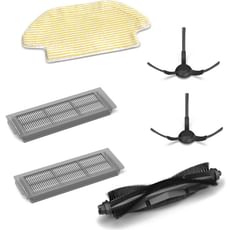
- Replacement Filters: Main filters, pre-filters, and HEPA filters specific to your extractor model
- Dust Bags: Disposable filter bags that simplify dust disposal and protect the main filter system
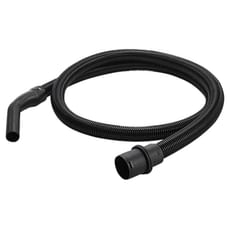
- Extension Hoses: Additional length hoses (typically 2.5m to 5m) for greater working radius and overhead applications
- Anti-Static Hoses: Essential for safe extraction when working with flammable dusts or in explosive atmospheres
- Universal Adaptors: Step-down and step-up adaptors to connect different hose diameters to various power tools
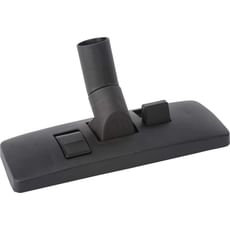
- Nozzle Sets: Crevice tools, floor nozzles, brush attachments, and specialist heads for different cleaning tasks
- Accessory Kits: Complete sets including multiple adaptors, nozzles, and connection pieces for versatile use
- Hose Clips and Holders: Keep hoses organised and prevent kinking during storage and use
- Pre-Separator Cyclones: Capture heavy debris before it reaches the main filter, extending service life and maintaining suction
Safety Information
COSHH Compliance: The Control of Substances Hazardous to Health Regulations require appropriate dust control measures for many common materials. Hardwood dust, silica-containing materials (concrete, stone, brick), and certain manufactured boards are classified as hazardous substances requiring M-Class or H-Class extraction. Employers must provide suitable extraction equipment and workers must use it—failure to comply can result in prosecution and significant fines.
Health Risks: Prolonged exposure to wood dust, particularly hardwoods, is linked to nasal cancer and respiratory disease. Silica dust from concrete, stone, and masonry causes silicosis, an incurable lung disease. Even "nuisance dusts" like plaster and gypsum irritate airways and reduce lung function over time. On-tool extraction, combined with appropriate respiratory PPE for high-exposure tasks, provides the best protection.
Electrical Safety: Always check that your 240v extractor and connected power tool don't exceed the extractor's power outlet rating—typically 2000W-2400W. Ensure the extractor is properly earthed through a 13A plug, and use an RCD protection device for added safety, particularly on building sites. Never operate extractors with damaged cables or in wet conditions unless specifically rated for wet use.
Filter Changes and Disposal: When changing filters or emptying dust containers, wear appropriate respiratory protection to avoid exposure to accumulated dust. Seal hazardous dusts in appropriate bags before disposal—never simply tip them into general waste bins. Some materials, particularly asbestos and lead-containing dusts, require specialist disposal routes. Check HSE guidance for specific materials you encounter.
Frequently Asked Questions
What's the difference between a vacuum cleaner and a dust extractor?
Dust extractors are designed specifically for power tool use, with features like auto-start functions, tool connection sockets, higher airflow capacity, and superior filtration. They handle fine construction dust and continuous operation better than standard vacuum cleaners. Workshop vacuums sit between the two, offering better filtration and capacity than domestic vacuums but typically lacking the specialist features and certification of professional dust extractors.
Do I legally need M-Class extraction for certain materials?
Yes. Under COSHH regulations, work with hardwoods, materials containing crystalline silica (concrete, stone, brick, mortar), and other medium-hazard substances requires M-Class extraction or equivalent control measures. The HSE can issue enforcement notices and prosecute businesses failing to provide adequate dust control. Even self-employed tradespeople and serious DIYers should use appropriate extraction to protect their health.
Can I connect any power tool to my dust extractor?
Most power tools can be connected using appropriate adaptors to match hose and tool port diameters. However, optimal extraction requires good seal between tool and hose—some tools extract more effectively than others. Premium tool systems like Festool, Makita, and Milwaukee offer designed-to-fit accessories for seamless connection. Check your tool's dust port diameter (commonly 27mm, 32mm, 35mm, or 36mm) and obtain the correct adaptors.
How often should I clean or replace the filter?
This depends on usage intensity and dust type. Models with automatic filter cleaning maintain performance longer between manual servicing. Inspect filters regularly—visible caking, reduced suction, or longer run-on times indicate cleaning is needed. Disposable filters typically last 3-12 months with regular use, whilst washable filters can last years with proper maintenance. Always replace filters when damaged or if suction doesn't recover after cleaning.
What capacity dust extractor do I need?
For mobile, on-tool use with sanders, grinders, and saws, 15-30 litre capacity provides good portability whilst requiring reasonable emptying frequency. Workshop-based extraction or multiple users benefit from 35-50 litre models. Production environments or continuous heavy use justify 50-70 litre capacity to minimise downtime. Remember that larger capacity adds weight—consider how often you'll transport the unit when choosing size.