

Welding Tools
Pay in 3 interest-free payments on purchases from £30-2000 with  . Learn more.



 Loading...
End of content
Error - No more pages to load
About Welding Tools
Welding tools and accessories form an essential part of any metalworking operation, whether you're fabricating structural steelwork on site, carrying out automotive repairs in a workshop, or tackling DIY projects at home. The welding equipment category encompasses everything needed to support professional welding processes, from gas regulators and flashback arresters that ensure safe operation, to consumables like MIG wire and electrodes that are integral to creating strong, reliable welds. Proper welding work requires not just a quality welding machine, but a comprehensive collection of supporting tools and accessories that enable precise, safe, and efficient joining of metals.
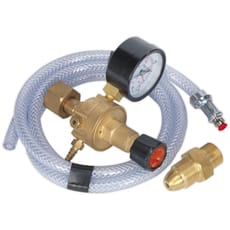
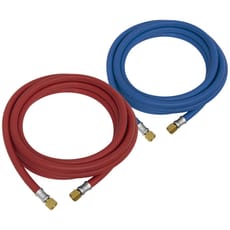
Tooled-Up.com stocks a comprehensive range of welding accessories across multiple subcategories, including gas management equipment such as regulators, fitted hoses, and flashback arresters, through to consumables like welding electrodes and MIG wire in various diameters and specifications. The range also includes essential safety equipment like welding blankets and curtains to protect surrounding areas from sparks and spatter, alongside specialised products such as flawfinders for detecting imperfections in welds and spatter release agents that simplify post-welding cleanup.
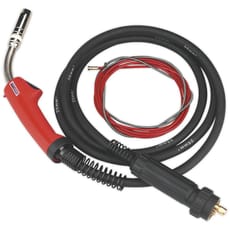
Modern welding operations demand equipment that meets stringent safety standards whilst delivering consistent performance. From professional fabricators requiring heavy-duty gas bottle trolleys for manoeuvring cylinders around busy workshops, to skilled welders needing precision nozzles and torches for intricate work, having the right accessories can dramatically improve both the quality of finished welds and the efficiency of the welding process itself. Quality welding tools from established manufacturers ensure compatibility with leading welding machines whilst meeting British and European safety standards.
Jargon Buster
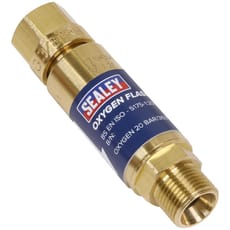
- Flashback Arrestor: A critical safety device fitted between gas cylinders and regulators or torches that prevents flames from travelling back into hoses or cylinders, which could cause explosions. Essential equipment for oxy-fuel welding and cutting operations.
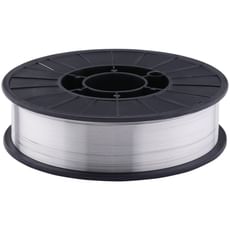
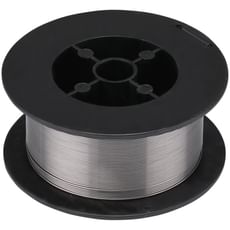
- MIG Wire: Metal Inert Gas welding wire that serves as both filler material and electrode in MIG/MAG welding processes. Available in various diameters (typically 0.6mm to 1.2mm) and compositions including steel, stainless steel, and aluminium variants.
- Duty Cycle: The percentage of a ten-minute period that a welder can operate at a given amperage before needing to cool down. For example, a 60% duty cycle at 150A means the machine can weld for six minutes before requiring four minutes of cooling.
- Spatter: Small droplets of molten metal that are ejected during the welding process and can stick to surrounding surfaces. Spatter release products create a protective barrier that allows easy removal of these deposits.
- Purge Gas: Inert gas (typically argon) used to displace oxygen from the reverse side of a weld, particularly important when welding stainless steel or other materials susceptible to oxidation that could compromise weld integrity.
- Torch Shroud: A protective component that surrounds the welding nozzle, helping to direct shielding gas flow and protect the contact tip from damage and spatter buildup.
Who Uses Welding Tools?
- Fabricators and Structural Steel Workers: Professionals constructing frames, staircases, and structural elements for construction projects
- Agricultural and Farm Engineers: Tradespeople repairing machinery, gates, trailers, and farm equipment
- Automotive Technicians and Body Shop Workers: Specialists carrying out panel repairs, exhaust work, and chassis modifications
- Maintenance Engineers: Industrial maintenance staff performing repairs and modifications to plant equipment and machinery
- Marine and Shipyard Workers: Professionals involved in boat building, ship repair, and marine fabrication work
- Pipeline Welders: Specialists working on gas, oil, and water distribution systems
- Mobile Welders: Self-employed tradespeople offering on-site welding and repair services
- Artists and Sculptors: Creative professionals using welding for metal artwork and sculptures
- DIY Enthusiasts and Home Workshop Users: Hobbyists undertaking repairs, restorations, and fabrication projects
- Educational Institutions: Colleges and training centres teaching welding skills and metalworking techniques
How to Choose the Right Welding Tools
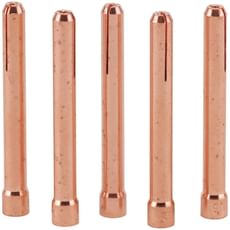
Match Accessories to Your Welding Process: Different welding methods require specific consumables and accessories. MIG welding demands the correct wire diameter and composition for your material, whilst TIG welding requires appropriate tungsten electrodes and gas lenses. Arc welding uses consumable electrodes rated by diameter and coating type. Ensure any accessories you select are compatible with your specific welding machine and process.
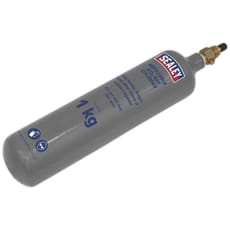
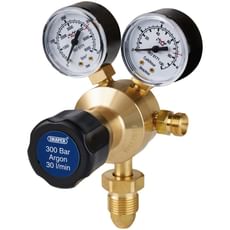
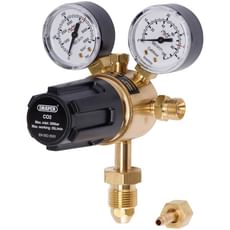
Consider Gas Management Requirements: If you're using gas-shielded welding processes, proper gas equipment is essential. Regulators must match your cylinder type (argon, CO2, or mixed gas) and provide stable pressure control. Flashback arrestors are mandatory safety equipment for oxy-fuel operations. Check that hoses are rated for welding gases, with correct connections and adequate length for your workspace without excessive slack that creates trip hazards.
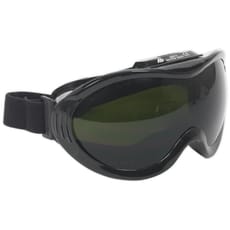
Prioritise Safety Equipment: Welding generates intense heat, UV radiation, sparks, and fumes. Invest in quality welding blankets and curtains to protect surrounding areas and personnel from sparks and arc flash. These should be flame-retardant and meet relevant British Standards. Consider the working environment – larger fabrication shops may benefit from welding curtains on frames, whilst mobile welders might prefer portable welding blankets.
Plan for Consumable Usage: Calculate your likely consumption of welding wire, electrodes, and shielding gas based on project volume. Purchasing consumables in appropriate quantities can provide better value – professional users working daily may benefit from larger reels of MIG wire, whilst occasional users should consider smaller packages to prevent material degradation through prolonged storage.
Assess Storage and Transport Needs: Gas bottle trolleys and brackets improve workplace safety by securing cylinders and enabling easy movement around workshops. Choose trolleys appropriate for cylinder size (most commonly sized for 'Y' or 'X' cylinders) with robust wheels suitable for your floor surfaces. Wall-mounted brackets work well in fixed workstations where space is limited.
Popular Accessories
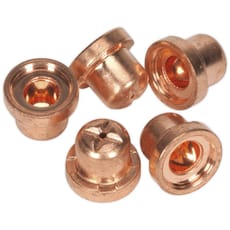
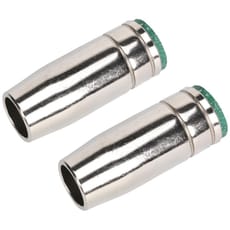
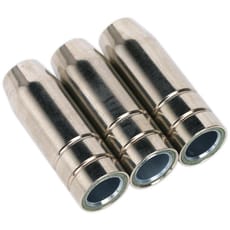
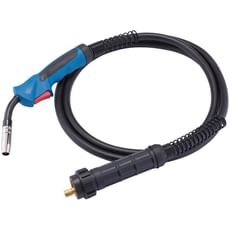
- Contact Tips and Nozzles: Replacement components for MIG torches in various sizes to match wire diameter
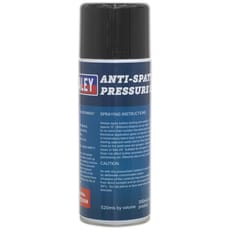
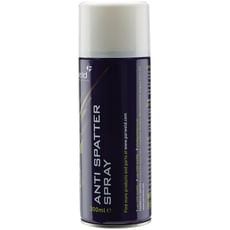
- Anti-Spatter Spray: Protective coatings that prevent weld spatter adhesion to workpieces and equipment
- Wire Brushes: Stainless steel and brass brushes for pre-weld cleaning and post-weld slag removal
- Welding Magnets: Positioning aids that hold workpieces at precise angles during tack welding
- Chipping Hammers: Specialised tools for removing slag from arc welds
- Gas Hose Connectors and Adaptors: Fittings to ensure secure, leak-free gas connections
- Electrode Storage Containers: Sealed holders that protect electrodes from moisture absorption
- Welding Clamps and Fixturing: Equipment to secure workpieces in position during welding operations
- Spare Torch Components: Replacement shrouds, diffusers, and insulators for torch maintenance
- Measuring and Marking Tools: Scribes, soapstone markers, and squares for accurate layout work
Safety Information
Gas Cylinder Safety: Always secure gas cylinders in upright positions using appropriate trolleys or wall brackets. Never allow cylinders to fall or be subjected to impact. Ensure flashback arrestors are fitted between regulators and hoses for oxy-fuel systems – this is essential safety equipment that can prevent catastrophic cylinder explosions. Check hoses regularly for damage, degradation, or leaks using appropriate detection methods.
Fire Prevention: Welding operations generate sparks that can travel considerable distances and ignite flammable materials. Deploy welding blankets and curtains to contain sparks and protect surrounding areas. Remove combustible materials from the welding vicinity, and always have appropriate fire extinguishers readily accessible. Be aware that sparks can pass through cracks and openings to ignite materials in adjacent areas or below floor level.
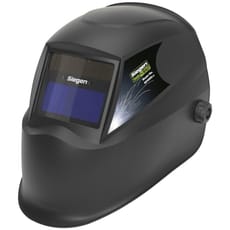
Personal Protective Equipment: Beyond basic welding helmets and gloves, consider the full range of protective equipment available from Tooled-Up. Welding-specific clothing, leather aprons, and spats protect against burns from sparks and hot metal. Ensure respiratory protection appropriate to the welding process and materials – some operations may require forced air respirators, particularly when welding galvanised steel or in confined spaces.
Electrical Safety: Although welding machines themselves operate from 240v mains supply, they generate much higher voltages during arc initiation. Ensure work areas are dry, and never weld in wet conditions. Maintain welding cables in good condition without damaged insulation. Be aware of the increased electrical risks when working in confined spaces or on metal structures where the entire framework may become live.
HSE Compliance: Welding operations fall under various Health and Safety Executive regulations including COSHH (Control of Substances Hazardous to Health) due to fume generation. Ensure adequate ventilation or fume extraction is provided. Regular equipment inspection and maintenance, particularly of safety-critical items like flashback arrestors and gas regulators, is essential for compliance and safe operation.
Frequently Asked Questions
What size MIG wire should I use for general steel fabrication?
For most general-purpose steel fabrication work, 0.8mm diameter MIG wire offers the best balance of versatility and performance. It's suitable for welding steel from approximately 1.5mm up to 6mm thickness with a standard 240v MIG welder. Thinner 0.6mm wire works better for sheet metal and automotive body work, whilst 1.0mm or 1.2mm wire suits heavier structural fabrication but requires higher-powered welding machines with greater amperage output.
How often should flashback arrestors be replaced?
Flashback arrestors are safety-critical components that should be inspected before each use and replaced immediately if they show any signs of activation (indicated by a popped disc or broken seal), damage, or contamination. Even without visible activation, manufacturers typically recommend replacement every 3-5 years as internal components can degrade over time. Given the catastrophic consequences of flashback reaching a gas cylinder, replacement is a worthwhile investment in workshop safety.
Can I use the same regulator for different gas types?
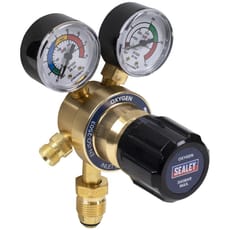
No – regulators are specifically designed for particular gas types and are not interchangeable. Oxygen regulators differ from inert gas regulators (argon/CO2), and each has specific pressure ranges and connection fittings. Using an incorrect regulator can be extremely dangerous, potentially causing equipment failure or fire. Always verify that your regulator matches your gas cylinder type, and never attempt to adapt fittings to force incompatible equipment together.
What's the difference between welding blankets and curtains?
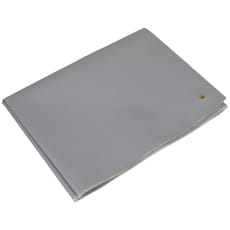
Welding blankets are typically heavy-duty, flexible sheets made from fibreglass or treated fabric that can be draped over equipment, workpieces, or floors to protect from sparks and spatter. They're portable and ideal for covering specific areas or items. Welding curtains are larger screens, often mounted on frames or rails, that create enclosed welding bays or partition off areas to protect other workers from arc flash and UV radiation. Curtains are better for permanent or semi-permanent installations, whilst blankets suit mobile or variable working situations.
How do I prevent my MIG nozzle from blocking with spatter?
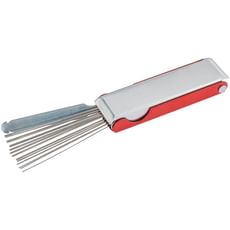
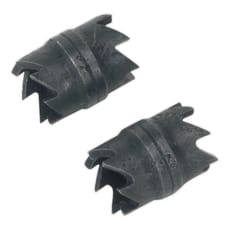
Regular application of anti-spatter spray or gel to the nozzle interior creates a barrier that prevents molten metal adhesion, making spatter removal much easier. Clean nozzles frequently using appropriate nozzle cleaning tools or reamers rather than waiting for significant buildup. Ensure your gas flow rate is correct – too low can cause turbulence and increased spatter. Check that contact tips are the correct size for your wire and replace worn tips promptly, as oversized tip apertures contribute to poor arc stability and excessive spatter generation.