

18v Nail Guns

Pay in 3 interest-free payments on purchases from £20-£3000 with  . Learn more.
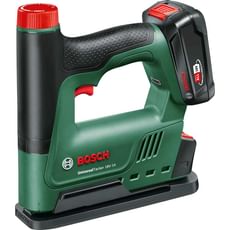
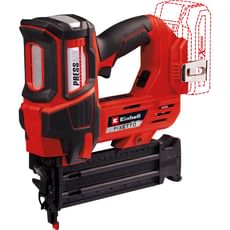
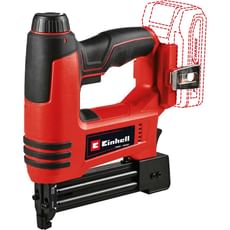
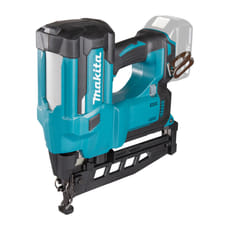
 Loading...
End of content
Error - No more pages to load
About 18v Nail Guns
18v cordless nail guns have transformed fastening work across construction sites and workshops throughout the UK, delivering the power and reliability of pneumatic nailers without the constraints of air compressors, hoses, or trailing cables. These battery-powered tools provide professional results for diverse applications, from second fix carpentry and structural framing to roofing and concrete fixing. With continuous advancements in lithium-ion battery technology and brushless motor efficiency, modern 18v nailers can drive thousands of fixings on a single charge, making them essential for tradespeople who prioritise mobility and productivity.
The category at Tooled-Up.com encompasses several specialist types, including brad nailers for delicate trim work with 18-gauge pins, finish nailers for second fix joinery using 16-gauge nails, framing nailers for structural timber work, and even concrete nailers for fixing into masonry. Leading manufacturers such as DeWalt, Milwaukee, Makita, and Bosch offer comprehensive ranges within their respective 18v battery platforms, allowing tradespeople to share batteries across multiple tools. Whether you're a professional joiner working on high-end residential projects or a dedicated DIY enthusiast tackling home improvements, there's an 18v nail gun designed for your specific requirements.
Most models feature tool-free depth adjustment, sequential and bump firing modes, and jam-clearing mechanisms that minimise downtime on site. Premium brushless versions deliver extended runtime, increased power, and longer tool life compared to brushed alternatives, whilst maintaining compatibility with existing 18v battery systems from brands like DeWalt XR, Milwaukee M18 Fuel, Makita LXT, and Bosch Professional.
Jargon Buster
- Brushless Motor
- An electronically controlled motor without carbon brushes, offering superior efficiency, longer runtime per charge, reduced maintenance requirements, and extended tool life compared to traditional brushed motors.
- Gauge Rating
- The thickness measurement of nails or pins the tool accepts – lower numbers indicate thicker fasteners. Common sizes include 15-gauge and 16-gauge for finish nailers, 18-gauge for brad nailers, and 23-gauge for pin nailers.
- Sequential vs Bump Firing
- Sequential mode requires full trigger release between each nail for precision work, whilst bump (contact) firing allows rapid continuous nailing by keeping the trigger depressed and bumping the nose against the workpiece.
- Magazine Capacity
- The number of nails the tool can hold before requiring reloading. Strip-style magazines typically hold 100+ fasteners, whilst coil magazines on framing nailers can accommodate 300+ nails.
- Depth Adjustment
- A mechanism for controlling how deeply nails are driven into the material – essential for achieving flush, countersunk, or proud finishes depending on the application and whether filler will be applied.
- Dry Fire Lockout
- A safety feature that prevents the tool from firing when the magazine is empty, protecting both the work surface and the tool's internal drive mechanism from damage.
Who Uses 18v Nail Guns?
These versatile fastening tools serve a diverse range of trades and applications:
- Carpenters and joiners – second fix work, skirting boards, architrave, door casings, and cabinetry installation
- Framers and construction workers – structural timber framing, roof trusses, and sheathing installation
- Roofers – felt, battens, and roofing material installation using specialist coil nailers
- Shopfitters and exhibition builders – rapid assembly of display units, cladding, and temporary structures
- Furniture makers – drawer assembly, backing panels, and upholstery applications
- Flooring specialists – securing underlay, beading, and trim work around laminate and engineered floors
- Decking installers – fascia boards, balustrades, and decorative trim on outdoor projects
- Maintenance teams – facilities management, property refurbishment, and general repair work
- DIY enthusiasts – home renovation projects, garden structures, and workshop furniture building
How to Choose the Right 18v Nail Guns
Selecting the appropriate nail gun depends on several critical factors that match the tool to your specific requirements:
Fastener Type and Size: Determine which gauge and length of nails your typical projects require. Brad nailers (18-gauge) suit delicate trim and mouldings, finish nailers (15/16-gauge) handle heavier architrave and skirting, whilst framing nailers drive larger collated nails for structural work. Pin nailers (23-gauge) are ideal for virtually invisible fixing of delicate components.
Battery Platform Compatibility: If you already own 18v tools from DeWalt, Milwaukee, Makita, Bosch, or other major manufacturers, choosing a nail gun from the same range allows battery sharing, reducing investment costs and the number of chargers needed on site or in the van.
Brushless vs Brushed: Brushless models command a premium but deliver noticeably longer runtime, increased power for driving into hardwoods or engineered materials, and require less maintenance over their extended service life. For professional daily use, brushless technology typically justifies the additional investment.
Magazine Style and Capacity: Strip magazines offer compact tool profiles ideal for tight spaces, whilst angled magazines improve sightlines for precision placement. Coil magazines on framing nailers maximise capacity for high-volume work. Consider how frequently you're willing to reload during typical jobs.
Firing Modes: Ensure the tool offers both sequential firing for accurate single-nail placement and bump firing for rapid production work. Toggle switches are more convenient than tools requiring Allen key adjustments between modes.
Depth Control and Adjustment: Tool-free depth adjustment via a thumbwheel or dial saves considerable time compared to hex key systems, particularly when moving between different timber species or materials that require varying drive depths.
Weight and Ergonomics: For overhead work or extended use, lighter tools reduce fatigue significantly. Consider the balance point when fitted with a battery, and whether the grip suits your hand size and working style.
Popular Accessories
- Collated Nails and Pins – available in various gauges, lengths, and finishes (bright steel, galvanised, stainless steel) matched to specific materials and exposure conditions
- Additional 18v Batteries – higher capacity packs (5.0Ah, 6.0Ah, 9.0Ah) extend runtime between charges for demanding site work
- Fast Chargers – multi-voltage rapid chargers significantly reduce downtime, with some models charging 5.0Ah batteries in under an hour
- Belt Hooks and Holsters – keep the tool accessible and protected when moving around site or climbing ladders
- Spare Nose Pieces – replacement contact trip assemblies for tools subject to heavy use or accidental damage
- Safety Glasses – essential eye protection against flying debris, nail ricochets, and material splinters during fastening operations
- Tool Cases – branded hard cases or system storage (TSTAK, PACKOUT, MakPac) protect your investment during transport and site storage
- Lubricating Oil – maintains pneumatic components in gas-powered models and preserves O-rings in battery nailers
Safety Information
Nail guns are powerful tools that require proper handling and safety precautions to prevent serious injuries:
Personal Protective Equipment: Always wear safety glasses or goggles rated to EN166 to protect against flying debris and potential nail ricochets. Hearing protection is advisable during extended use, and steel toe-capped boots conforming to EN ISO 20345 provide essential protection if the tool is dropped or a nail deflects downward.
Safe Operating Practices: Never disable safety mechanisms or bypass the contact trip. Keep fingers clear of the nose and firing area at all times. Disconnect the battery during maintenance, jam clearing, or when the tool is not in use. Be aware of what lies beyond your work surface – nails can penetrate thin materials and create hazards on the opposite side.
Work Environment: Ensure adequate lighting to see nail placement clearly. Maintain stable footing, especially when working from ladders or scaffolding. Be conscious of hidden pipes, cables, or services before nailing into walls or existing structures.
Tool Maintenance: Regularly inspect the contact trip mechanism and safety features to ensure proper operation. Clear any jammed fasteners using the correct procedure outlined in the manual, never by bypassing safety systems. Comply with HSE guidelines for power tool use on construction sites and during maintenance activities.
Frequently Asked Questions
Can I use my existing 18v batteries with a new nail gun?
Yes, provided you purchase a nail gun from the same manufacturer's battery platform. DeWalt XR, Milwaukee M18, Makita LXT, and Bosch Professional 18v batteries are interchangeable across their respective tool ranges, making it cost-effective to expand your cordless collection without buying multiple battery systems.
How many nails can I drive on a single battery charge?
This varies considerably based on battery capacity, nail size, and material hardness. As a general guide, a 5.0Ah battery can typically drive 700-1,200 brad nails or 400-700 framing nails. Brushless models deliver significantly more nails per charge than brushed equivalents. Dense hardwoods and engineered materials consume more power than softwoods.
Do cordless nail guns match the power of pneumatic air nailers?
Modern 18v nail guns available from Tooled-Up.com, particularly brushless models from leading manufacturers, now deliver comparable driving power to pneumatic nailers for most applications. They excel in second fix carpentry, framing, and general construction work. The convenience of cordless operation often outweighs any marginal power difference, especially on sites without compressor access or for mobile work.
What's the difference between brad nails, finish nails, and framing nails?
Brad nails (18-gauge) are thin pins ideal for delicate trim, beading, and small mouldings where you want minimal visible holes. Finish nails (15/16-gauge) are thicker and provide stronger holding power for skirting boards, architrave, and door casings. Framing nails are substantially larger fasteners designed for structural timber work, delivering maximum strength for load-bearing applications.
Can I use 18v nail guns for outdoor decking projects?
Absolutely, but ensure you use galvanised or stainless steel nails appropriate for exterior exposure to prevent rust staining and corrosion. Many 18v nailers are suitable for decking fascias, balustrades, and trim work, though structural decking boards themselves may require ring-shank nails or screws depending on building regulations and manufacturer specifications.