

Air Fluid Pumps
Pay in 3 interest-free payments on purchases from £30-2000 with  . Learn more.
 Loading...
End of content
Error - No more pages to load
About Air Fluid Pumps
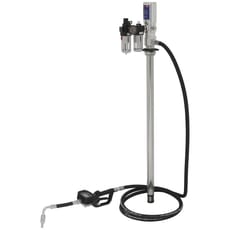
Air fluid pumps are pneumatically-operated workshop tools designed to transfer, dispense and handle a wide range of automotive and industrial fluids efficiently and safely. Using compressed air to generate pressure, these pumps move oils, lubricants, transmission fluids and other liquids from bulk storage containers directly into vehicles, machinery and equipment. Unlike manual pumps or 240v electric alternatives, air-operated fluid pumps deliver consistent flow rates whilst remaining intrinsically safe around flammable materials, making them the preferred choice in professional garages, service centres and industrial maintenance facilities throughout the UK.
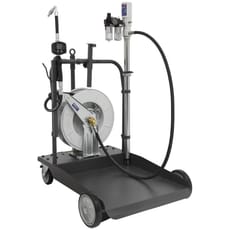
The range available at Tooled-Up.com spans from compact dual-purpose transfer pumps suitable for smaller workshops through to sophisticated dispensing stations featuring integrated meters and multiple hose reels. These systems dramatically reduce the physical effort required for fluid handling tasks whilst minimising spillage and waste, helping workshops maintain cleaner, safer environments that comply with HSE and COSHH regulations. Whether servicing a single vehicle bay or managing fluid dispensing across a busy commercial garage, air fluid pumps streamline operations and improve workplace efficiency.
Professional-grade air fluid pumps from trusted manufacturers including Sealey and Draper offer solutions for every workshop requirement. From simple air-operated oil dispensers for engine oil changes to comprehensive gear oil dispensing systems with precision metering capabilities, Tooled-Up stocks equipment designed to handle everything from thin hydraulic oils through to viscous transmission and differential fluids in automotive, agricultural and industrial applications.
Jargon Buster
- Pneumatic Operation: Powered by compressed air rather than electricity or manual force, eliminating electrical ignition sources and making these pumps intrinsically safe for dispensing flammable fluids in potentially hazardous workshop environments.
- Dispensing Ratio: The relationship between input air pressure and output fluid delivery pressure, expressed as ratios such as 3:1 or 5:1. Higher ratios generate greater pumping force, essential for moving thick, viscous fluids like gear oils and greases.
- Flow Rate: The volume of fluid transferred per unit of time, typically measured in litres per minute (l/min). Flow rate determines how quickly you can complete oil changes, transmission services and other fluid transfer tasks.
- Viscosity Range: The spectrum of fluid thickness a pump can handle effectively, from thin hydraulic fluids through to heavy gear oils. Different pump designs are optimised for specific viscosity ranges to ensure reliable performance.
- Meter Accuracy: On systems fitted with measuring devices, this indicates precision of fluid quantity measurement, typically expressed as a percentage tolerance (±1-2%). Critical for accurate billing, inventory management and regulatory compliance.
- Hose Reel: A spring-loaded or manual reel mechanism that stores and organises the delivery hose when not in use, preventing kinks, workplace trip hazards and contamination whilst extending hose service life.
Who Uses Air Fluid Pumps?
- Motor Vehicle Technicians: For routine oil changes, gearbox services, differential fluid replacement and hydraulic system maintenance on cars, vans and light commercial vehicles
- HGV and Plant Mechanics: Managing the substantial fluid volumes required for servicing heavy goods vehicles, agricultural machinery, construction equipment and earth-moving plant
- Fleet Maintenance Teams: Servicing multiple vehicles efficiently with accurate fluid dispensing, usage tracking and inventory control across commercial vehicle fleets
- Industrial Maintenance Engineers: Lubricating production machinery, maintaining hydraulic systems, servicing CNC equipment and keeping plant equipment operating reliably
- Agricultural Engineers: Maintaining tractors, combines, balers and other farm machinery requiring frequent fluid changes and lubrication in demanding field conditions
- Marine Engineers: Servicing boat engines, hydraulic steering systems and marine equipment in boatyards, marinas and harbour maintenance facilities
- MOT Testing Stations: Quick, clean fluid top-ups during vehicle inspections, ensuring test vehicles meet minimum fluid level requirements
- Manufacturing Facilities: Maintaining hydraulic presses, injection moulding machines, metalworking equipment and automated production lines
How to Choose the Right Air Fluid Pumps
Fluid Type and Viscosity: Match your pump to the fluids you'll handle most frequently. Engine oil pumps work effectively with lighter oils (SAE 10W-40), whilst gear oil dispensing systems are engineered for much thicker fluids (SAE 80W-90 and heavier). Consider whether you need dedicated pumps for specific fluid types or a versatile system capable of handling multiple viscosities.
Volume Requirements: Assess your daily fluid dispensing needs. High-volume commercial garages benefit from systems offering faster flow rates and larger capacity, whilst smaller workshops or mobile mechanics may find compact dual-purpose transfer pumps more practical and cost-effective for occasional use.
Air Supply Specifications: Verify your workshop compressor capacity before purchasing. Most air fluid pumps require consistent air supply at 6-8 bar (90-120 PSI) with adequate CFM (cubic feet per minute) output to maintain performance during continuous operation. Insufficient compressor capacity results in slow dispensing and operational frustration.
Metering Capability: If accurate fluid usage tracking, customer billing or inventory control matters to your operation, invest in systems with integrated meters. Digital meters provide superior accuracy and easier reading compared to mechanical alternatives, though they do increase initial investment costs.
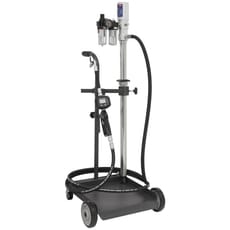
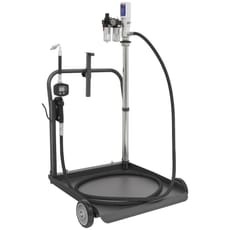
Portability versus Fixed Installation: Mobile pumps mounted on wheeled bases offer flexibility to move between work bays or service different workshop areas, whilst wall-mounted fixed dispensing stations provide permanent, organised fluid management solutions for dedicated service bays with established workflows.
Hose Length and Reach: Ensure delivery hoses are sufficiently long to reach all areas of your workspace comfortably, including vehicles on lifts. Standard hoses range from 2-4 metres, though extensions may be available for larger workshops or specialised applications.
Container Compatibility: Verify the pump fits your bulk fluid storage containers, whether you purchase 25-litre drums, 205-litre barrels or intermediate bulk containers (IBCs). Some systems include adaptors for multiple container types, increasing operational flexibility.
Popular Accessories
- Air Line Filters and Regulators: Protect pump mechanisms from moisture and contaminants in compressed air supplies whilst maintaining consistent operating pressure for reliable performance
- Dispensing Nozzles: Automatic shut-off nozzles prevent overfilling and spillage, with various spout lengths available for different vehicle filler locations and machinery access points
- Drip Trays and Spill Containment: Catch drips and minor spills to prevent workplace contamination, essential for maintaining COSHH compliance and clean workshop environments
- Fluid Container Trolleys: Mobile bases and drum dollies improve workshop flexibility, allowing fluid containers to be repositioned as workflow demands change
- Replacement Hoses: Keep spare delivery hoses dedicated to specific fluid types to prevent cross-contamination between incompatible products
- Storage Cabinets: Secure storage solutions for fluid containers and dispensing equipment help maintain organised, compliant workshops and prevent unauthorised access
- Oil Drain Equipment: Complementary drain pans, waste oil collectors and transfer tanks for complete fluid management from draining through to disposal
- Pump Seals and Service Kits: Replacement seals, gaskets and maintenance parts to keep systems operating efficiently throughout years of professional use
Safety Information
Compressed Air Hazards: Always wear appropriate eye protection when operating pneumatic equipment. Never exceed manufacturer-recommended air pressure specifications, as excessive pressure damages seals and creates dangerous fluid pressure levels. Ensure all air line connections are secure before commencing operation and check regularly for leaks.
Chemical Handling: Many automotive and industrial fluids are classified as hazardous substances requiring careful handling under COSHH regulations. Wear appropriate PPE including chemical-resistant gloves, safety glasses and protective clothing. Ensure adequate workshop ventilation when dispensing fluids, particularly in enclosed spaces or confined areas.
Fire Safety: Pneumatic pumps eliminate electrical ignition sources, making them inherently safer for flammable fluid handling. However, maintain good housekeeping practices to prevent fluid accumulation, keep appropriate fire extinguishers readily accessible, and ensure your workspace meets relevant fire safety standards and insurance requirements.
Maintenance and Inspection: Regularly inspect hoses, seals, connections and fittings for signs of wear, cracking, perishing or leakage. Replace damaged components immediately to prevent failures during operation. Check air line filters frequently and drain moisture separators regularly to prevent contamination entering pump mechanisms.
Fluid Compatibility: Never use pumps with fluids they're not designed to handle, as incompatible chemicals cause seal degradation, contamination and premature system failure. Where possible, dedicate specific pumps to specific fluid types, or thoroughly flush systems when switching between different products.
Frequently Asked Questions
What size air compressor do I need for an air fluid pump?
Most air-operated fluid pumps require minimum operating pressure of 6 bar (90 PSI) and consume between 100-200 litres per minute of free air during operation. A workshop compressor rated at 3HP or above with adequate receiver tank capacity (50-100 litres) should handle most fluid pump applications comfortably. Always check your specific pump's air consumption specifications and ensure your compressor can maintain pressure during continuous dispensing operations, particularly during busy periods when multiple tools may be operating simultaneously.
Can I use the same pump for different types of oil?
Whilst technically possible, switching between significantly different fluid types (such as engine oil and gear oil, or mineral and synthetic products) without thorough cleaning is not recommended, as cross-contamination affects fluid performance and can void warranties. For workshops regularly handling multiple fluid types, consider investing in dedicated pumps for each major fluid category, or choose dual-purpose pumps specifically designed for easy cleaning and changeover between compatible products.
How accurate are metered dispensing systems?
Quality metered dispensing systems typically deliver accuracy within ±1-2% over their designed flow range, which proves sufficient for most workshop applications including customer billing, warranty claims and inventory management. Accuracy can be affected by fluid viscosity, ambient temperature and flow rate variations, so performing regular calibration checks using a measuring jug or graduated container helps maintain precision and confidence in dispensed quantities.
Do air fluid pumps work effectively in cold workshops?
Yes, but extremely cold temperatures significantly increase fluid viscosity, making pumping more difficult, slower and potentially incomplete. Very thick fluids may require warming to ambient temperature before dispensing to achieve satisfactory flow rates. Additionally, ensure your compressed air supply is properly dried using filters with moisture separators, as water vapour in air lines can freeze in cold conditions, blocking air supply and stopping pump operation completely during winter months.
What regular maintenance do air fluid pumps require?
Regular maintenance includes checking and cleaning air line filters, inspecting delivery hoses and pump seals for wear or damage, ensuring all connections remain tight and leak-free, and lubricating moving parts according to manufacturer specifications. Many pumps benefit from running a small quantity of compatible light oil through the system periodically to maintain internal lubrication. For professional workshop environments, annual servicing including seal replacement and thorough inspection ensures long-term reliability and prevents unexpected downtime during busy periods.