
Air Grinders

Pay in 3 interest-free payments on purchases from £20-£3000 with  . Learn more.
Loading...
End of content
Error - No more pages to load
About Air Grinders
Air grinders are versatile pneumatic power tools that harness compressed air to deliver high-speed rotational power for cutting, grinding, deburring, and surface preparation tasks. These robust tools are essential equipment in automotive workshops, fabrication shops, and any professional environment where reliability and sustained performance are paramount. Unlike their electric counterparts, air grinders offer consistent power output without the risk of motor burnout, making them ideal for extended use in demanding industrial applications.
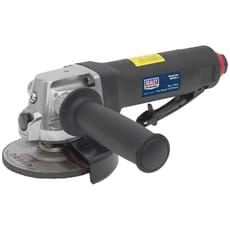
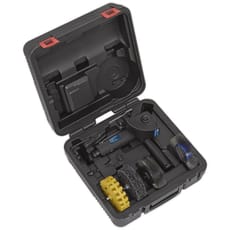
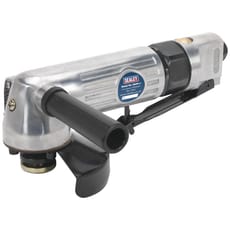
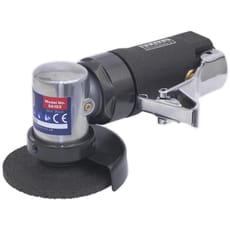
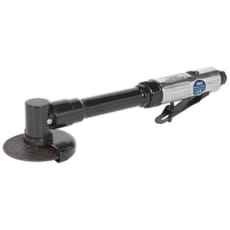
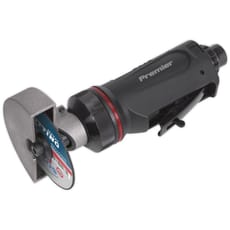
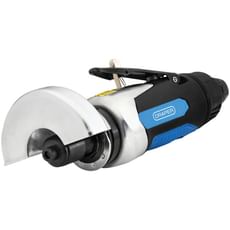
The selection at Tooled-Up.com includes air angle grinders for heavy-duty material removal, rotary air cut off tools for precision cutting through metal and other materials, and compact mini air grinders for detailed work in confined spaces. With disc sizes ranging from 50mm for intricate grinding tasks to 100mm for substantial material removal, these pneumatic tools deliver exceptional power-to-weight ratios. Leading manufacturers such as Sealey and Draper have developed specialised variants including long reach models for awkward access points and extra heavy-duty versions capable of withstanding the rigours of daily professional use.
Air grinders operate by connecting to a workshop air compressor system, typically requiring working pressures between 90-100 PSI (6.2-6.9 bar) to deliver optimal performance. The absence of electrical components makes them inherently safer in environments where sparks from electric motors could pose hazards, whilst their lightweight construction reduces operator fatigue during prolonged grinding sessions. From chassis repair and bodywork preparation to weld dressing and general fabrication, air grinders remain the tool of choice for tradespeople who demand reliability and consistent performance.
Jargon Buster
- CFM (Cubic Feet per Minute): The measurement of air consumption rate for pneumatic tools. Air grinders typically require between 4-6 CFM, so ensuring your compressor can supply adequate airflow is essential for maintaining consistent tool performance throughout the working day.
- Free Speed (RPM): The maximum rotational speed an air grinder achieves when running without load, typically ranging from 12,000 to 22,000 RPM. Higher speeds enable faster material removal but require careful control and appropriate abrasive selection.
- Collet Size: The internal diameter of the spindle that holds grinding accessories, commonly 6mm or 1/4 inch for die grinders. Matching the correct collet size to your accessories ensures secure fitment and safe operation.
- PSI (Pounds per Square Inch): The air pressure measurement for pneumatic systems. Most air grinders operate optimally at 90 PSI, though some heavy-duty models may require higher pressures for maximum performance.
- Governor Mechanism: An internal regulating system that maintains consistent rotational speed under varying load conditions, preventing the tool from overspeeding and ensuring smooth, controlled grinding action.
- Quick Disconnect Coupling: A push-fit air line connection system allowing rapid tool changes without threading couplings, significantly improving workshop efficiency when switching between different air tools.
Who Uses Air Grinders?
Air grinders are indispensable tools across numerous trades and industries:
- Motor Vehicle Technicians and Body Shop Workers: For rust removal, panel preparation, weld grinding, and chassis repair work
- Fabricators and Welders: Dressing welds, deburring metal edges, and preparing surfaces for welding or coating
- Metal Workers and Sheet Metal Fabricators: Cutting through steel, aluminium, and other metals with precision cut off wheels
- Plant and Agricultural Mechanics: Maintenance and repair of heavy machinery, removing corrosion and preparing surfaces
- General Engineers and Fitters: Grinding castings, removing excess material, and finishing machined components
- Aviation and Marine Engineers: Working in environments where spark-free tools are preferred for safety reasons
- Construction and Site Workers: Cutting rebar, preparing steelwork, and general fabrication tasks on building sites
- DIY Enthusiasts with Workshop Air Systems: Restoration projects, custom fabrication, and automotive repair at home
How to Choose the Right Air Grinders
Disc Size and Application: Mini 50mm grinders excel at detailed work and accessing tight spaces, 75mm cut off tools offer the perfect balance for general metal cutting tasks, whilst 100mm angle grinders provide maximum material removal for heavy-duty grinding. Consider the predominant tasks you'll undertake to determine the most suitable size.
Air Compressor Compatibility: Verify your compressor's CFM output and tank capacity can sustain the tool's air consumption requirements. Undersized compressors will struggle to maintain pressure, resulting in reduced tool performance and frequent duty cycles. Most air grinders require 4-6 CFM at 90 PSI for optimal operation.
Tool Configuration: Angle grinders position the disc at 90 degrees to the tool body, ideal for surface grinding and edge work. Straight cut off tools align the disc with the tool body, providing superior control for precision cutting operations. Die grinders accommodate burrs and mounted points for detailed grinding and porting work.
Duty Rating and Build Quality: Professional tradespeople should prioritise heavy-duty or extra heavy-duty models featuring reinforced housings, superior bearing assemblies, and robust governor mechanisms. These withstand the demands of daily commercial use far better than light-duty alternatives.
Ergonomics and Control: Rubber grip zones, well-positioned throttle levers, and balanced weight distribution reduce operator fatigue during extended use. Side-mounted throttles suit certain applications better than rear-positioned triggers, so consider your typical working positions.
Speed Control Features: Variable speed models or those with adjustable governors allow you to match rotational speed to specific materials and abrasives, enhancing both safety and result quality whilst extending accessory life.
Popular Accessories
Maximise the versatility and performance of your air grinder with these essential accessories:
- Cutting Discs and Grinding Wheels: Various grades and types for different materials including steel, stainless steel, aluminium, and composite materials
- Flap Discs: Available in different grit ratings for progressive material removal and surface finishing applications
- Wire Wheels and Cup Brushes: For paint removal, rust elimination, and surface preparation before coating or welding
- Mounted Points and Burrs: Shaped abrasives for die grinders enabling detailed grinding, porting, and deburring work
- Air Line Filters and Regulators: Essential for removing moisture and contaminants whilst maintaining optimal operating pressure
- Quick Release Couplings: Euro-style or UK-type connectors for rapid tool changes and improved workshop efficiency
- Air Tool Lubricator: In-line oilers ensure pneumatic components remain properly lubricated, extending tool service life
- Safety Guards: Adjustable protective shields appropriate for your specific grinding or cutting disc diameter
- Air Line Hose: Quality rubber or hybrid hoses with adequate internal diameter to minimise pressure drop over distance
Safety Information
Personal Protective Equipment: Always wear appropriate safety glasses or a full face shield to protect against flying debris and disc fragmentation. Use hearing protection as air grinders can exceed 85 decibels. Heavy-duty work gloves protect hands from sharp edges and hot materials, whilst respiratory protection prevents inhalation of harmful dust particles, particularly when grinding materials that may contain silica or metal particulates.
Disc Selection and Inspection: Only use grinding discs rated for speeds exceeding your tool's maximum RPM, and never exceed the manufacturer's recommended disc diameter. Inspect all discs for cracks, chips, or damage before fitting, and discard any suspect abrasives immediately. Ensure discs are properly seated and secured before operation.
HSE Guidance Compliance: Follow Health and Safety Executive recommendations regarding noise exposure, vibration limits, and dust control. Implement regular tool maintenance schedules and operator rotation to minimise vibration exposure in accordance with Control of Vibration at Work Regulations 2005.
Compressed Air Hazards: Never exceed the tool's maximum rated operating pressure. Ensure airlines are properly secured with appropriate clips or ferrules to prevent whipping if disconnected under pressure. Direct compressed air away from yourself and others, and never use compressed air to clean clothing whilst wearing it.
Work Area Considerations: Remove flammable materials from the vicinity as grinding generates sparks and heat. Ensure adequate ventilation when working with materials that produce hazardous dust. Secure workpieces properly to prevent movement during grinding operations.
Frequently Asked Questions
What size air compressor do I need to run an air grinder?
Most air grinders require a compressor capable of delivering 4-6 CFM at 90 PSI continuously. A 50-litre tank minimum is recommended for occasional use, whilst professional users should consider 100-200 litre receivers to maintain consistent pressure during extended grinding sessions. Check your specific tool's air consumption specifications and ensure your compressor can deliver at least 1.5 times the stated CFM requirement to account for pressure drops and simultaneous use of other air tools.
Can I use an air grinder with an electric compressor on a building site?
Yes, provided your compressor meets the tool's air requirements and you have access to 240v power supply. Many site workers prefer air grinders over electric angle grinders for metal fabrication as they're lighter, spark-free (the motor itself), and maintain consistent power. Diesel-powered compressors are common on larger sites without mains electricity access.
Why does my air grinder lose power during use?
Power loss typically indicates insufficient air supply, often caused by an undersized compressor, excessive air line length, restrictions in the airline, or pressure drop from multiple tools operating simultaneously. Check that your compressor recovers pressure adequately between cycles, reduce air line length where possible, use larger diameter hoses (at least 8mm internal diameter), and ensure quick couplings aren't restricting airflow. Moisture in airlines can also reduce performance, so install appropriate filtration.
How do I maintain my air grinder?
Add 3-5 drops of pneumatic tool oil into the air inlet before each use, or install an in-line lubricator for automatic lubrication. Regularly check and clean the air inlet filter to prevent contamination entering the motor. After extended use, particularly with cutting operations, remove and clean the spindle assembly to prevent abrasive dust causing premature bearing wear. Store tools in a dry environment and occasionally run them briefly to distribute lubricant throughout internal components.
Are air grinders better than electric angle grinders?
Each has distinct advantages depending on your circumstances. Air grinders available from Tooled-Up.com offer superior power-to-weight ratios, eliminating motor burnout issues during sustained use, and they're inherently safer in potentially explosive atmospheres. They're ideal for workshop environments with existing compressed air infrastructure. Electric grinders provide greater portability without requiring compressor equipment, making them preferable for site work and locations without air systems. Many professional workshops maintain both types to leverage their respective strengths.