
Air Hoses

Pay in 3 interest-free payments on purchases from £20-£3000 with  . Learn more.

Loading...
End of content
Error - No more pages to load
About Air Hoses
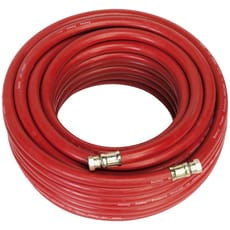
Air hoses are the critical link between compressed air equipment and pneumatic tools, delivering consistent air pressure to power everything from impact wrenches and spray guns to nailers and sanders. Available in various lengths, diameters, and materials, these hoses must withstand the demanding conditions found in professional workshops, construction sites, and automotive garages throughout the UK. The right air hose ensures optimal tool performance, minimises pressure drop, and provides the durability needed for daily trade use.
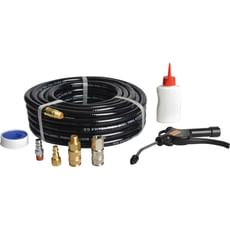
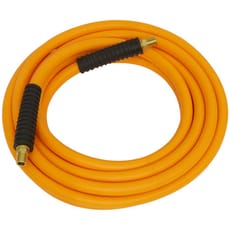
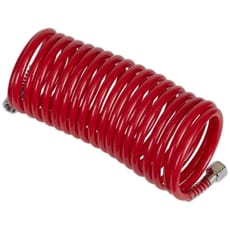
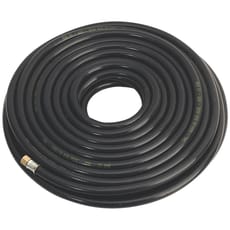
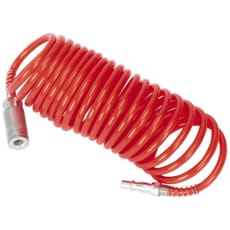
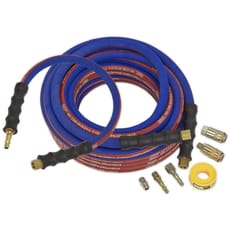
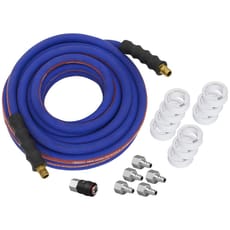
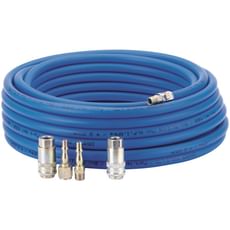
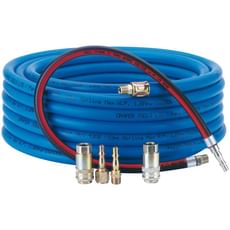
Tooled-Up.com stocks a comprehensive selection of air hoses from leading manufacturers including Sealey, Draper, DeWalt, and Stanley Bostitch. The range encompasses standard PVC hoses for light workshop duties, heavy-duty rubber hoses engineered for industrial applications, and space-saving coiled hoses that reduce trip hazards on busy sites. Many air line hoses are supplied as complete kits with connectors, couplings, and fittings, allowing tradespeople to establish a fully operational compressed air system immediately.
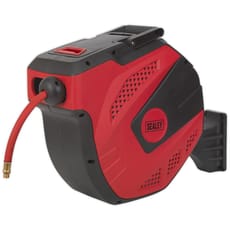
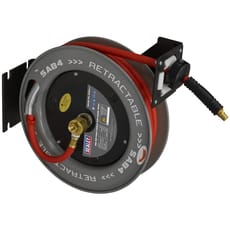
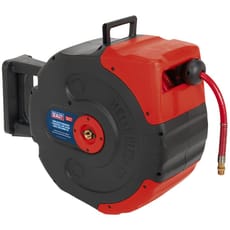
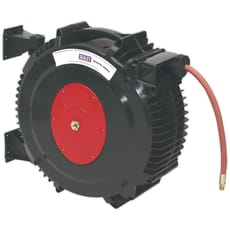
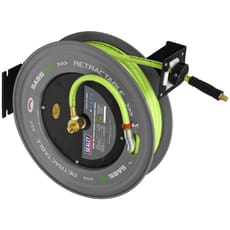
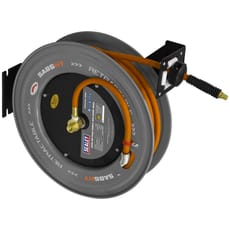
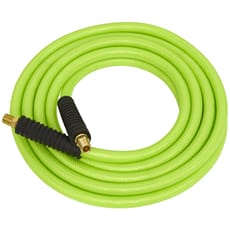
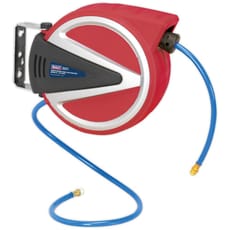
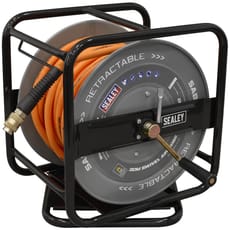
From compact whip hoses for close-range work to extended 15-metre and 20-metre lines for large workshops, air hoses cater to every compressed air application. Specialist options include auto-rewind hose reels for organised storage, hi-vis hoses for improved site safety, and extra heavy-duty lines designed for commercial vehicle workshops and industrial environments where exceptional durability is essential. Whether you're running a single pneumatic tool or managing multiple air line drops across a large facility, selecting the appropriate hose specification ensures reliable performance and longevity.
Jargon Buster
- CFM (Cubic Feet per Minute): The measurement of air flow rate through the hose. Higher CFM ratings are necessary for air-hungry tools such as spray guns and die grinders. Always ensure your hose and compressor CFM ratings meet or exceed your tool requirements to maintain performance.
- Working Pressure (PSI/Bar): The maximum safe operating pressure the hose can handle continuously. Most UK workshop air hoses operate at 8-10 bar (116-145 PSI), whilst heavy-duty industrial hoses may be rated for 15 bar or higher. Never exceed the stated working pressure.
- Bore Size (Internal Diameter): Typically measured in millimetres (6mm, 8mm, 10mm) or imperial inches (1/4", 5/16", 3/8"). Larger bore sizes deliver greater air flow with reduced pressure drop over distance, which is essential for high-demand pneumatic tools and extended hose runs.
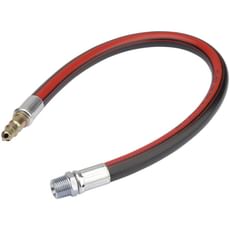
- Whip Hose: A short, flexible leader hose (typically 1-2 metres) connected between the main air line and pneumatic tool. These reduce strain on connections and provide superior manoeuvrability when working in confined spaces or awkward positions.
- Quick Couplers: Push-fit connectors allowing rapid tool changes without threaded connections. Most UK air systems use either PCL, Euro, or ARO coupling standards. Ensure compatibility across your entire compressed air system.
- Hybrid/Polymer Hose: Modern lightweight hoses combining rubber flexibility with PVC durability, resistant to kinking and remaining supple in cold conditions typical of unheated UK workshops and outdoor sites during winter months.
Who Uses Air Hoses?
Air hoses are indispensable for a wide range of trades and professionals:
- Motor mechanics and vehicle technicians - operating impact wrenches, air ratchets, and tyre inflation equipment
- Body shop professionals - running spray guns, DA sanders, and panel blowers for automotive refinishing
- Joiners and carpenters - powering brad nailers, framing nailers, and staple guns for fixing and assembly
- General builders and contractors - using pneumatic nail guns and fixing tools on construction sites
- Plant maintenance engineers - servicing machinery with pneumatic tools and air-powered equipment
- Manufacturing and production facilities - operating assembly line air tools and automated equipment
- Tyre and exhaust fitters - running impact guns and inflation equipment in fast-fit centres
- Agricultural engineers - maintaining farm machinery and equipment in workshops and field locations
- Fabricators and metalworkers - operating air-powered cutting, grinding, and finishing tools
- DIY enthusiasts - using home compressors for inflating, painting, cleaning, and light pneumatic tool operation
How to Choose the Right Air Hoses
Length Requirements: Select a hose long enough to reach your working area without excessive slack. Remember that longer hoses result in greater pressure drop - approximately 0.3 bar per 15 metres on an 8mm bore hose at typical flow rates. For large workshops, consider installing multiple air line drops rather than relying on extremely long single hoses.
Bore Diameter: Match the internal diameter to your tool requirements and air flow demands. A 6mm (1/4") bore suits light-duty applications like tyre inflation and brad nailers. An 8mm (5/16") bore handles most general workshop pneumatic tools adequately. A 10mm (3/8") or larger bore is essential for high-demand tools including spray guns, large impact wrenches, and die grinders that require sustained high air flow.
Material Construction: PVC hoses offer good value for occasional use and light-duty workshop applications. Rubber hoses provide superior durability and flexibility, especially important in cold UK weather conditions and unheated workshops. Hybrid polymer hoses combine the best attributes of both materials, remaining flexible whilst resisting kinking, abrasion, and UV degradation for outdoor site work.
Pressure Rating: Ensure the hose working pressure exceeds your compressor output with adequate safety margin. Most UK workshop compressors operate at 8-10 bar, so a hose rated for 10-15 bar provides appropriate headroom. Industrial applications may require higher pressure ratings.
Connector Compatibility: Verify that connectors and couplings match your existing air system standard. Many kits include BSP thread fittings and quick couplers as standard, but confirm compatibility with your compressor and tools before purchasing to avoid frustrating connection issues.
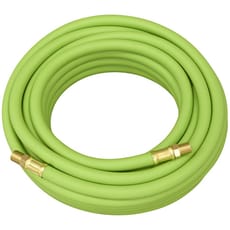
Storage and Portability: Coiled hoses automatically retract to save workshop space and reduce tangling, whilst auto-rewind hose reels keep airlines organised and minimise trip hazards. For site work and outdoor applications, consider hi-vis hoses in bright colours that improve safety visibility in busy working environments.
Popular Accessories
Enhance your compressed air system with these complementary products available from Tooled-Up:
- Air Line Couplers and Connectors - quick-release fittings for rapid tool changes and secure connections
- Hose Reels - wall-mounted or portable reels for tidy storage, improved safety, and extended hose life
- Air Line Lubricators - maintain pneumatic tool performance and longevity by adding lubricant to the air stream
- Pressure Regulators and Gauges - control and monitor air pressure for different tool requirements and applications
- Air Line Filters - remove moisture and contaminants to protect tools and ensure quality finish in painting applications
- Whip Hoses - short leader hoses providing improved flexibility and reduced strain at the tool connection point
- Thread Tape and Sealant - ensure leak-free connections on threaded fittings and maintain system pressure
- Blow Guns and Inflation Accessories - maximise the versatility of your air line system for cleaning and inflation tasks
- Hose Repair Kits - extend hose life with replacement connectors, repair couplings, and emergency fixes
Safety Information
Regular Inspection: Check hoses before each use for signs of wear, cracking, splitting, or abrasion damage. Replace any damaged hoses immediately - a ruptured air line under pressure can cause serious injury from whipping action or projectile fittings. Pay particular attention to areas near connectors where stress concentrates and flex damage commonly occurs.
Pressure Management: Never exceed the hose's maximum working pressure rating stamped on the hose or stated in manufacturer specifications. Always depressurise the system before disconnecting hoses or changing tools. Whipping hoses under pressure can cause severe injuries. Follow HSE guidelines for compressed air systems in workplace environments.
Safe Connections: Ensure all connectors are properly secured and compatible with your system standard. Never use damaged, worn, or mismatched couplers as these can fail under pressure or disconnect unexpectedly. When connecting or disconnecting under pressure, wear appropriate eye protection and keep hands clear of potential release paths.
Trip Hazards: Route hoses to minimise trip hazards in workshops and on sites. Use hose reels or coiled hoses where practical, secure hoses overhead where possible, and mark hoses with hi-vis colours in busy work areas. Never use compressed air to clean clothing or direct compressed air towards yourself or others - air can penetrate skin and cause serious internal injuries, air embolism, or eye damage.
Cold Weather Precautions: PVC hoses become stiff and prone to cracking in freezing conditions. Use rubber or hybrid hoses for outdoor winter work. Store hoses indoors when not in use and allow stiff hoses to warm gradually before pressurising to prevent damage.
Frequently Asked Questions
What length air hose should I buy for my workshop?
Choose the shortest practical length for your workspace to minimise pressure drop and reduce trip hazards. For most single-bay workshops, 10-15 metres is sufficient. Larger workshops benefit from multiple air line drops positioned strategically rather than extra-long single hoses. Remember that pressure drops approximately 0.3 bar per 15 metres of 8mm hose at typical workshop flow rates, which can significantly impact tool performance on very long runs.
Will my air hose work in cold UK weather conditions?
PVC hoses become stiff and prone to kinking or cracking in cold temperatures below 5°C. Rubber and hybrid polymer hoses remain flexible down to -10°C or lower, making them ideal for unheated workshops, construction site work, or outdoor use during winter months. If you regularly work in cold conditions, invest in a quality rubber or hybrid hose designed for low-temperature flexibility.
Can I join two shorter hoses together instead of buying a longer one?
Yes, using proper inline connectors or couplers, though each connection point creates additional pressure drop and introduces potential leak points. For permanent workshop installations, a single longer hose or hard-piped air line with multiple drop points provides better performance, improved pressure consistency, and enhanced reliability for professional applications.
Do I need different bore size hoses for different pneumatic tools?
Not usually - a good quality 8mm (5/16") bore hose handles most standard workshop pneumatic tools adequately, including impact wrenches, nailers, and sanders. However, high-demand tools like large spray guns, die grinders, or industrial impact wrenches benefit from 10mm (3/8") bore hoses to maintain pressure and flow rate, ensuring optimal tool performance and preventing power loss.
How do I prevent my air hose from tangling and extend its service life?
Coiled hoses naturally retract to reduce tangling, whilst auto-rewind hose reels provide the most convenient storage solution for busy workshops. When storing standard hoses, coil them loosely in large loops (approximately 500mm diameter) rather than tight circles to prevent permanent kinking and internal damage. Avoid running over hoses with vehicles or equipment, keep them away from sharp edges, and store indoors when not in regular use to maximise longevity.