

Air Nail Guns
Pay in 3 interest-free payments on purchases from £30-2000 with  . Learn more.
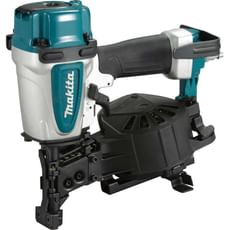
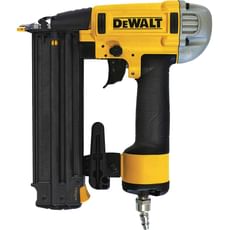
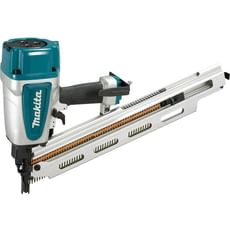
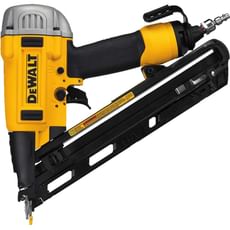
 Loading...
End of content
Error - No more pages to load
About Air Nail Guns
Air nail guns, also known as pneumatic nailers, are indispensable power tools for professional tradespeople and serious DIY enthusiasts who demand speed, consistency, and reliability in their fastening work. These tools harness compressed air to drive nails into timber, board, MDF, and other materials with remarkable speed and precision, transforming tasks that would take hours with a hammer into work completed in minutes. From first-fix carpentry on construction sites to delicate second-fix trim work, air-powered nailers deliver the professional finish that modern building projects require.
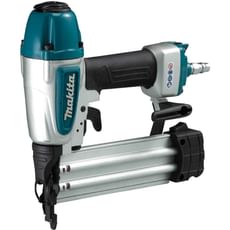
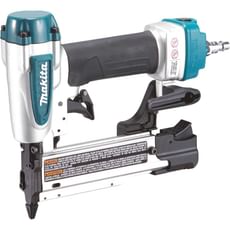
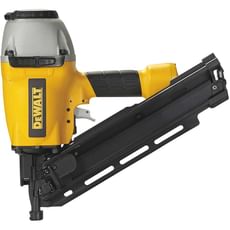
Tooled-Up.com stocks an extensive selection of pneumatic nail guns from industry-leading manufacturers including DeWalt, Bostitch, and Makita. The range encompasses heavy-duty framing nailers capable of driving 50-90mm nails for structural work, versatile 16 gauge finish nailers perfect for architraves and skirting boards, precision 18 gauge brad nailers for cabinet making and delicate mouldings, and ultra-fine 23 gauge headless pinners that leave virtually invisible fixing points. Specialist models include joist hanger nailers, concrete nailers, and positive placement nailers designed for fixing through pre-formed holes in metal construction brackets.
Unlike their cordless counterparts, air nail guns feature straightforward pneumatic operation with fewer moving parts, resulting in exceptional durability and lower maintenance costs over the tool's lifetime. They require connection to an air compressor via standard air hose fittings, making them ideal for workshop environments and building sites where compressed air infrastructure is already in place. Modern models incorporate thoughtful features such as tool-free depth adjustment, quick-release jam clearing mechanisms, and selectable sequential or bump firing modes to suit different working styles and safety requirements.
Jargon Buster
- Gauge: The measurement system for nail wire thickness, where lower numbers indicate thicker nails. A 16 gauge nail (1.6mm diameter) is substantially thicker than an 18 gauge brad (1.2mm diameter). Heavier structural applications require lower gauge numbers for maximum holding power, whilst fine finishing work demands higher gauge numbers to minimise visible holes.
- Collation Type: The method by which nails are held together in strips or coils. Common collation methods include wire-weld, paper tape, plastic strip, and coil arrangements. Different nailer models accept specific collation types and angles (typically 20°, 21°, 28°, or 34°), so fastener compatibility must be verified before purchase.
- Sequential Firing Mode: A controlled trigger mechanism requiring the safety contact tip to be pressed against the work surface before each individual trigger pull. This single-shot mode provides maximum precision and safety, particularly important when working near edges or in occupied spaces.
- Bump Firing Mode: Also called contact trip or rapid fire, this mode allows continuous nailing by holding the trigger depressed and repeatedly bumping the nose contact against the workpiece. Significantly increases productivity on repetitive fastening tasks but requires careful handling to prevent accidental discharge.
- CFM Rating: Cubic Feet per Minute – the measurement of air volume consumption. Each nailer has a specific CFM requirement that your compressor must satisfy to maintain consistent performance. Framing nailers typically consume 2-4 CFM, whilst smaller finish nailers may only require 1-2 CFM during operation.
- Dry Fire Lockout: A safety mechanism that prevents the tool from firing when the magazine is empty, protecting the driver blade from damage and extending tool lifespan. Premium models incorporate this feature to prevent costly repairs from accidental dry firing.
Who Uses Air Nail Guns?
- Carpenters and Joiners: First and second fix carpentry, timber framing, studwork partitions, roof truss assembly, and installation of architectural joinery
- Shopfitters and Cabinet Makers: Cabinet construction, worktop installation, retail display assembly, decorative moulding application, and bespoke furniture manufacture
- Flooring Specialists: Hardwood flooring installation, engineered timber laying, tongue-and-groove systems, and secret nailing applications
- Roofers: Fixing roofing felt and breathable membranes, installing battens, securing fascia boards, and general roof carpentry work
- Fencing Contractors: Fence panel assembly, rail fixing, post capping, and construction of timber boundary structures
- Decking Installers: Securing decking boards, constructing frameworks and joists, building pergolas, and assembling garden structures
- Builders and Main Contractors: Wide-ranging fastening applications across residential and commercial construction projects
- Shopfitting Teams: Rapid installation work in retail environments, exhibition stands, and commercial fit-outs with tight deadlines
- Property Maintenance Professionals: Repairs, refurbishments, remedial work, and general building maintenance across mixed portfolios
- Serious DIY Enthusiasts: Home improvement projects, loft conversions, garden buildings, and renovation work requiring professional-standard results
How to Choose the Right Air Nail Guns
Primary Application: Match the nailer type to your predominant work. Framing nailers handle structural carpentry with 50-90mm nails for studwork and roof trusses. Finish nailers (typically 16 gauge) suit second-fix work including architraves, skirtings, and door casings with 30-65mm nails. Brad nailers (18 gauge) excel at delicate trim, beading, and cabinet assembly with 15-50mm brads. Headless pinners (23 gauge) provide near-invisible fixing for fine mouldings with 10-30mm pins.
Magazine Configuration: Straight magazines offer superior sightlines for precision placement, making them preferred for finish carpentry. Angled magazines (typically 30-34 degrees) provide better access into corners, tight spaces, and between joists, favoured by framing carpenters. Coil-fed nailers hold significantly more fasteners (up to 300) but add bulk and weight, whilst strip-fed models offer better manoeuvrability with capacities of 50-100 nails.
Air Compressor Compatibility: Verify that your existing compressor can deliver the required CFM (cubic feet per minute) at the necessary operating pressure, typically 4-8 bar (60-120 PSI). Small finish nailers may operate effectively with portable 24-litre compressors, whilst framing nailers demand 50-litre or larger tanks to maintain pressure during continuous use. The range available from Tooled-Up includes models optimised for various compressor capacities.
Nail Gauge and Length Capacity: Ensure the tool accommodates the fastener sizes you use most frequently. Check both the gauge (wire thickness) and the length range accepted by the magazine. Professional tradespeople often require multiple nailers for different applications rather than attempting to use a single tool for all tasks.
Weight and Ergonomics: Tools used overhead or for extended periods should prioritise lightweight construction and balanced design. Examine grip comfort, trigger accessibility, and the position of adjustment controls. Features like tool-free jam clearing, magnetic nose tips for holding fasteners, and non-marring contact tips enhance productivity on site.
Brand Reputation and Parts Availability: Invest in established brands like DeWalt, Bostitch, and Makita that maintain comprehensive spare parts networks, authorised service centres throughout the UK, and robust warranty support. Professional-grade tools withstand the rigours of daily site use far more effectively than budget alternatives, with better resale value when upgrading.
Firing Mode Options: Models offering both sequential and bump firing modes provide versatility for different situations. Sequential mode delivers maximum control and safety for precision work and busy environments, whilst bump firing dramatically increases speed on repetitive tasks like fence panel assembly or flooring installation.
Popular Accessories
- Air Compressors: Essential power source ranging from portable 24-litre units for finish work to 50-100 litre workshop compressors for framing applications; consider direct drive for portability or belt drive for quieter operation
- Air Hoses: Available in various lengths (5m-30m) and bore sizes (6mm-10mm); hybrid polymer hoses resist kinking in cold conditions, whilst PU coil hoses save space and reduce trip hazards
- Quick Release Couplings: PCL, Parker, and Euro-style fittings enable rapid tool changes and improved workflow efficiency when operating multiple pneumatic tools
- In-line Filters and Regulators: Remove moisture and contaminants from compressed air whilst maintaining consistent operating pressure; essential for tool longevity in high-humidity environments
- Pneumatic Tool Oil: Specialised lubricating oil for air tools; add 4-5 drops into the air inlet before each use to lubricate internal o-rings and moving components
- In-line Oilers: Automatic lubrication systems that inject precise oil quantities into the air stream, eliminating manual oiling routines on busy sites
- Nails and Fasteners: Stock appropriate gauges, lengths, and finishes for your applications; galvanised for exterior use, stainless steel for marine and coastal environments, ring-shank for maximum pull-out resistance
- Safety Glasses and Hearing Protection: Impact-rated eye protection against ejected fasteners and ricochets; ear defenders or plugs for extended use above 85dB
- Tool Cases and Bags: Moulded carry cases protect tools during transport between jobs; canvas tool rolls organise multiple nailers and accessories
- Anti-Vibration Gloves: Reduce fatigue during extended periods of repetitive nailing work
Safety Information
Air nail guns are powerful pneumatic tools that must be operated with appropriate safety awareness and protective equipment. Always wear impact-rated safety glasses or full-face protection to guard against ejected fasteners, wood splinters, flying debris, and potential ricochets from hard materials. Hearing protection is strongly recommended during extended use, as pneumatic nailers regularly exceed 85dB, particularly framing models in enclosed spaces.
Never bypass, disable, or tamper with safety mechanisms including the nose contact trigger or sequential firing mode when specified for certain applications. Always disconnect the air supply completely before clearing jammed fasteners, performing maintenance, adjusting depth settings, or leaving the tool unattended. Keep your supporting hand well away from the nailing trajectory and maintain secure footing, especially when working at height, on ladders, or in awkward positions.
Follow HSE guidelines for the safe operation of compressed air equipment and pneumatic tools in workplace environments. Regularly inspect air hoses and connections for deterioration, cracks, or damage that could cause sudden disconnection under pressure. Never point the tool towards yourself or others, even when disconnected from the air supply. Store tools in secure locations with airlines disconnected, away from unauthorised users and children.
Before firing, always verify what lies behind your work surface to avoid striking hidden electrical cables, plumbing pipes, or existing fixings that could cause dangerous ricochets. When working on occupied construction sites, maintain awareness of others in your vicinity and consider using sequential firing mode exclusively in busy areas to prevent accidental discharge. Ensure adequate ventilation when working indoors, and be aware that some treated timbers release harmful dust that requires respiratory protection in addition to standard PPE.
Wear appropriate footwear with steel toe caps to protect against dropped tools and falling materials. Use both hands to control the tool during operation, maintaining firm grip and balanced stance. Never carry the tool with your finger on the trigger, and always engage the safety lock during transport between work locations.
Frequently Asked Questions
What size air compressor do I need to run an air nail gun effectively?
This depends entirely on the nailer type and your usage pattern. Finish nailers and brad nailers typically work well with compact 24-50 litre compressors delivering 6-8 CFM at 90 PSI, suitable for intermittent use with recovery time between nailing sequences. Framing nailers demand larger compressors (50-100 litres) with higher CFM output to maintain consistent pressure during continuous rapid firing. Check your specific tool's air consumption specifications and ensure your compressor can deliver the required CFM at operating pressure without constantly cycling. For professional site use with multiple tools, consider 100-litre or larger capacity.
Should I choose a straight or angled magazine nailer?
Angled magazines (typically 30-34 degrees) excel in confined spaces, corners, and between joists, making them particularly popular amongst framing carpenters and general builders who frequently work in tight spots. The angled profile allows the tool body to clear obstacles whilst positioning the nose precisely. Straight magazines provide unobstructed sightlines directly to the fastening point, preferred for precision second-fix work, cabinet making, and applications where exact placement is critical. Many professional carpenters maintain both configurations for different scenarios.
How often should I lubricate my pneumatic nail gun?
Add 4-5 drops of dedicated pneumatic tool oil into the air inlet before starting work each day, or every 2-3 hours during continuous operation. This lubricates internal o-rings, seals, and moving components, preventing premature wear, maintaining consistent firing performance, and protecting against moisture damage. Alternatively, install an inline automatic oiler in your air line system to deliver consistent lubrication without manual intervention. Never use general-purpose oils as these can damage pneumatic seals and contaminate the air system.
Can I use any brand of nails in my air nail gun?
No, you must use fasteners specifically designed for your nailer's gauge, length range, and collation system. Different manufacturers use various collation methods (wire-weld, paper tape, plastic strip) and angles (20°, 21°, 28°, 34°) that are not interchangeable. Using incorrect fasteners causes misfires, jamming, potential damage to the magazine and driver blade, and may void your warranty. Always verify compatibility specifications before purchasing nails, and consider stocking fasteners from the same manufacturer as your tool to ensure optimal performance.
What's the practical difference between 16 gauge and 18 gauge nailers?
16 gauge finish nailers fire thicker nails (1.6mm diameter) with greater holding power, making them suitable for heavier trim applications including substantial architraves, deep skirtings, door casings, panelling, and fixing into harder hardwoods. The larger hole is more visible and typically requires filling. 18 gauge brad nailers use finer brads (1.2mm diameter) that leave smaller, less conspicuous holes ideal for delicate mouldings, beading, cabinet assembly, and situations where minimal surface damage matters. Professional finish carpenters often own both gauges to match the fastener to the specific application.
Do air nail guns work in cold weather conditions?
Yes, pneumatic nailers generally perform more reliably in cold conditions than cordless alternatives, as they don't rely on temperature-sensitive battery chemistry. However, moisture in compressed air can freeze in cold weather, causing operational issues. Use an inline air filter/dryer to remove moisture, and consider hybrid polymer or rubber air hoses that remain flexible in low temperatures rather than PU hoses that can become stiff. Store tools in heated spaces overnight when possible, and allow a few minutes of dry firing to warm internal components before commencing work in freezing conditions.