

Air Sanders
Pay in 3 interest-free payments on purchases from £30-2000 with  . Learn more.
 Loading...
End of content
Error - No more pages to load
About Air Sanders
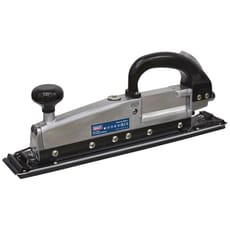
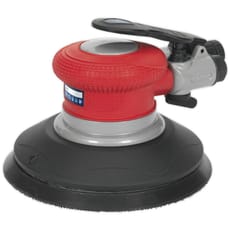
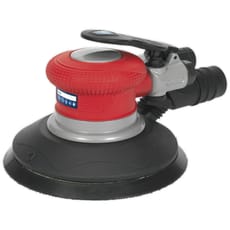
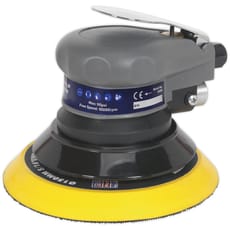
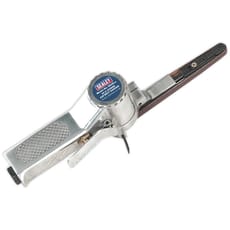
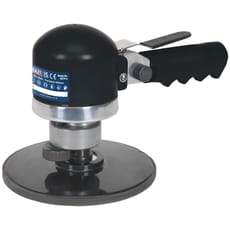
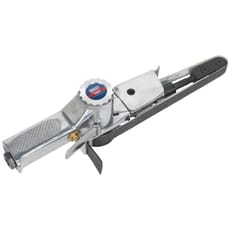
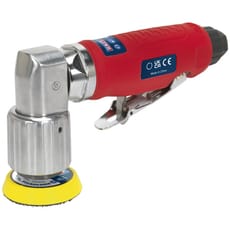
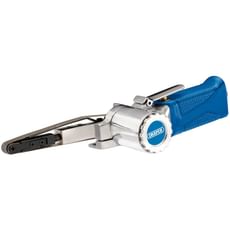
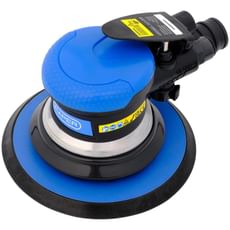
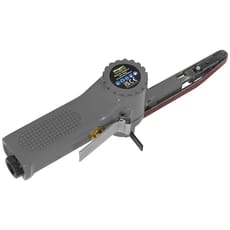
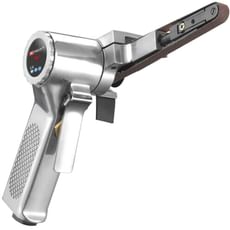
Air sanders are pneumatically powered tools that deliver consistent, reliable performance for smoothing, shaping, and finishing surfaces across a wide range of professional applications. Unlike electric alternatives, these compressed air-driven tools maintain constant power output without heat build-up or motor fatigue, making them ideal for extended sanding sessions in automotive workshops, joinery shops, and fabrication environments. The selection at Tooled-Up.com encompasses multiple configurations including random orbital, dual action, palm orbital, belt, and mini disc sanders, each designed to tackle specific tasks from aggressive stock removal to ultra-fine finishing work.
Professional-grade air sanders from manufacturers such as Sealey, Draper, Siegen, and Facom combine lightweight aluminium construction with powerful pneumatic motors to reduce operator fatigue whilst delivering superior surface finishes. Available in disc sizes ranging from compact 50mm mini sanders for intricate work and tight spaces through to full-sized 150mm models for covering large surface areas efficiently, these tools provide exceptional control and versatility. Advanced features including variable speed throttles, dust extraction ports, ergonomic soft-grip handles, and hook and loop pad systems enhance productivity and comfort during professional use.
Whether you're preparing automotive bodywork for paint, removing old finishes from furniture, blending metalwork joints, or achieving showroom-quality surfaces, pneumatic sanders offer the reliability and consistent performance demanded by busy tradespeople. Their inherently lightweight design compared to electric equivalents makes them particularly well-suited to overhead work, vehicle restoration, and any application requiring prolonged sanding where tool weight becomes a critical factor in operator comfort and work quality.
Jargon Buster
- Random Orbital Action: A sanding mechanism that combines simultaneous rotational and orbital movements, creating a random scratch pattern that eliminates visible swirl marks. This action is essential for achieving professional-grade finishes on automotive paintwork and fine furniture where surface quality is paramount.
- Dual Action (DA): Industry terminology for random orbital motion, particularly prevalent in automotive bodywork applications. DA sanders are the tool of choice for panel beaters and paint sprayers who require flawless, swirl-free surface preparation before coating.
- CFM (Cubic Feet per Minute): The measurement of compressed air volume consumed by pneumatic tools during operation. Typical air sanders require between 4-8 CFM at 90 PSI. Matching your compressor's CFM output to your tool's consumption requirements is critical for maintaining consistent performance and preventing premature tool wear.
- Hook and Loop: A Velcro-style abrasive disc attachment system that enables rapid pad changes without adhesives or clamps. This quick-change capability significantly improves workflow efficiency when switching between grit grades or replacing worn discs on busy jobs.
- Backing Pad: The rubber or foam interface pad that supports the abrasive disc. Available in various hardness grades, with softer pads conforming better to contoured surfaces whilst harder pads maintain flatness for panel work and large surface areas.
- Orbital Action: A circular sanding motion where the pad rotates in fixed, small circles. Standard orbital sanders suit general-purpose work and rapid stock removal, though they may leave slight swirl marks that require finishing with random orbital action for high-quality applications.
Who Uses Air Sanders?
- Panel Beaters and Auto Body Technicians: For preparing vehicle surfaces, feathering repair areas, removing paint systems, and achieving professional-standard finishes before coating application.
- Vehicle Restorers and Classic Car Enthusiasts: Stripping old paint layers, removing corrosion, preparing bare metal, and refinishing bodywork to showroom condition on restoration projects.
- Furniture Makers and Restorers: Achieving smooth timber surfaces, removing old varnish and finishes, preparing wood for staining, and final finishing work on bespoke joinery.
- Joiners and Carpenters: Smoothing timber surfaces on site, preparing fitted furniture, finishing architraves and skirting, and general surface preparation in joinery workshops.
- Paint Sprayers and Decorators: Surface preparation before coating, denibbing between paint layers, preparing substrates for decorative finishes, and achieving professional surface standards.
- Metal Fabricators and Welders: Removing weld spatter, blending joints, preparing surfaces for powder coating or wet painting, and general metalwork finishing across steel and aluminium fabrications.
- Boat Builders and Marine Engineers: Working with fibreglass gel coat, preparing marine plywood, finishing composite materials, and general refurbishment work in marine environments.
- Maintenance Engineers and Workshop Technicians: General equipment refurbishment, surface preparation across various materials, removing old coatings, and preparing components for reassembly.
How to Choose the Right Air Sanders
Disc Size and Application: Consider your typical workpiece dimensions and access requirements. Compact 50mm and 75mm mini sanders excel in tight spaces, intricate detail work, and recessed corners, whilst 150mm models provide efficient coverage on large flat panels and broad surface areas. Match the tool size to your most frequent applications for optimal productivity.
Sanding Action Type: Random orbital and dual action sanders deliver the finest, swirl-free finishes essential for automotive refinishing and high-quality furniture work. Standard orbital models suit general-purpose applications and rapid stock removal, whilst belt sanders excel at aggressive material removal and edge work. Select the action type based on your finish quality requirements.
Air Compressor Compatibility: Verify the tool's CFM consumption against your compressor's rated output capacity. Most air sanders require 4-8 CFM at 90 PSI for continuous operation. Undersized compressors cause inconsistent performance, frequent duty cycle interruptions, and premature tool wear. Professional users should ensure compressor capacity exceeds tool consumption by at least 20% for reliable performance.
Ergonomics and Weight Distribution: For prolonged use or overhead applications, lightweight aluminium construction with well-balanced designs significantly reduces operator fatigue. Rubber-coated housings, contoured grip areas, and strategically positioned controls improve comfort and precision during extended sanding sessions. Test the tool's balance and grip comfort before purchasing if possible.
Dust Extraction Capability: Effective dust extraction maintains clear surface visibility and reduces airborne particles in your working environment. When working with materials subject to COSHH regulations—including MDF, certain hardwoods, old paint containing lead, and composite materials—efficient dust collection isn't merely convenient, it's a legal health and safety requirement.
Build Quality and Longevity: Professional-grade tools from established manufacturers like Sealey, Draper, and Facom feature superior bearing quality, precision-machined components, better air sealing, and enhanced durability compared to budget alternatives. For trade users, investing in quality pneumatic tools represents better long-term value through extended service life and consistent performance.
Popular Accessories
- Sanding Discs and Abrasives: Available in hook and loop or adhesive-backed formats across grit grades from coarse 40-60 grit for stock removal through to ultra-fine 800+ grit for finishing work. Stock multiple grit grades for complete surface preparation workflows.
- Replacement Backing Pads: Available in various densities and hardness grades for different applications. Maintain optimal performance by replacing worn pads that affect surface finish quality and sanding efficiency.
- Interface Pads: Thin foam cushioning layers positioned between backing pad and abrasive disc to improve surface conformability, reduce gouging on contoured work, and achieve finer surface finishes.
- Air Hoses and Quick Couplers: Quality reinforced air hoses in appropriate lengths, quick-release couplers for efficient tool changes, and inline pressure regulators for precise air pressure control at the tool.
- Dust Extraction Equipment: Workshop vacuum systems with appropriate filtration, dust-free sanding kits with integrated extraction, and HEPA filters for capturing hazardous dust particles in compliance with HSE guidance.
- Air Line Treatment Equipment: Inline filters for removing moisture and contaminants, automatic lubricators for maintaining tool performance, and pressure regulators for controlling air supply to optimal operating pressure.
- Pneumatic Tool Oil: Specialised lubricating oil formulated for air tools to maintain internal components, prevent corrosion, and ensure longevity. Regular lubrication is essential for reliable pneumatic tool performance.
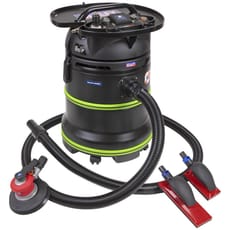
- Dust-Free Sanding Kits: Complete systems like the Sealey DFSK01 that integrate air sanders with efficient dust extraction for cleaner working environments and improved visibility during sanding operations.
Safety Information
Personal Protective Equipment: Always wear appropriate safety glasses or a full face shield to protect against flying debris and abrasive particles. Use hearing protection rated for at least 85dB, as pneumatic tools generate significant noise levels during operation. Respiratory protection is mandatory when sanding materials that produce hazardous dust—consult COSHH assessment documentation for material-specific requirements and appropriate respirator specifications.
Dust Control and COSHH Compliance: Many commonly sanded materials—including MDF, certain hardwoods, old paint containing lead, fibreglass, and composite materials—produce dust classified as hazardous under HSE regulations. Connect air sanders to appropriate dust extraction systems rated for fine particle capture, work in adequately ventilated areas, and never use compressed air to clean dust from clothing, skin, or work surfaces as this creates dangerous airborne concentrations.
Compressed Air Safety: Ensure your air compressor delivers clean, dry air at the correct operating pressure, typically 90 PSI or 6.2 bar for most air sanders. Excessive pressure accelerates tool wear, increases noise and vibration levels, and may cause component failure. Install moisture traps and filters to remove water condensation that causes internal corrosion and premature bearing failure. Never exceed the manufacturer's stated maximum operating pressure.
Vibration Awareness and HAVS Prevention: Extended use of air sanders exposes operators to hand-arm vibration that can cause Hand-Arm Vibration Syndrome (HAVS), a serious industrial disease causing permanent damage to circulation and nerves. Take regular breaks, maintain tools properly to minimise vibration levels, rotate tasks to limit continuous exposure, and monitor cumulative daily vibration exposure against HSE exposure action and limit values. Keep maintenance records and implement health surveillance for employees regularly using vibrating tools.
Tool Maintenance for Safe Operation: Regularly inspect air hoses for wear, cracks, and damage that could cause sudden pressure loss or whipping injuries. Check all connections are secure and leak-free before operation. Replace worn backing pads promptly as damaged pads can cause disc detachment during use. Lubricate pneumatic tools according to manufacturer instructions to prevent internal component failure that could cause loss of control.
Frequently Asked Questions
What size air compressor do I need to run an air sander effectively?
Most air sanders require between 4-8 CFM at 90 PSI for continuous operation. A compressor with a 50-litre tank capacity and 2-3 HP motor typically provides sufficient air volume for intermittent use in small workshops or mobile applications. Professional tradespeople working continuously should invest in larger units with 100+ litre tank capacity and higher CFM output to prevent duty cycle interruptions and maintain consistent tool performance throughout the working day. Check the specific CFM requirements listed in your tool's specifications and ensure your compressor's free air delivery (FAD) rating exceeds this figure.
What's the difference between orbital and random orbital air sanders?
Standard orbital sanders move in a fixed circular pattern which can leave visible swirl marks on the finished surface, making them suitable for general-purpose work, rapid stock removal, and applications where minor surface imperfections are acceptable. Random orbital sanders—also called dual action (DA) sanders—combine simultaneous rotation with orbital movement, creating a random scratch pattern that eliminates visible swirl marks. This action is essential for automotive paintwork preparation, high-quality furniture finishing, and any application requiring showroom-quality surface standards. Random orbital models are more versatile but typically cost more than standard orbital sanders.
How do I maintain my air sander for optimal performance and longevity?
Add 3-4 drops of specialist pneumatic tool oil into the air inlet before each use and again at the end of each working day to lubricate internal components and prevent corrosion. Ensure your air compressor has an effective moisture trap and filter, as water contamination in the airline causes rapid internal corrosion and bearing failure. Regularly inspect and replace worn backing pads that affect finish quality and sanding efficiency. Clean dust extraction ports after each use to maintain effective dust removal. Store tools in a dry environment and drain any moisture from the tool body after extended use. Tools available from Tooled-Up should be maintained according to manufacturer specifications for warranty compliance.
Can I use automotive sanding discs on wood, or woodworking discs on metal?
Whilst attachment systems are often compatible across applications, abrasive discs are specifically formulated for particular materials. Automotive sanding discs use aluminium oxide or ceramic abrasives optimised for paint, body filler, and primers, typically in finer grit progressions. Woodworking discs employ abrasive compositions and grit structures suited to timber's characteristics, with different loading resistance properties. Metal finishing discs use harder abrasive materials like zirconia for durability against steel and aluminium. Using application-specific discs delivers superior results, longer abrasive life, and better cost-effectiveness despite the initial higher specificity.
Why does my air sander lose power during operation?
Power loss typically indicates insufficient compressed air supply reaching the tool. Verify your compressor's CFM output meets or exceeds the sander's stated consumption requirements and check that tank pressure isn't dropping below 90 PSI during extended operation. Undersized or excessively long air hoses restrict airflow—use minimum 8mm internal diameter hoses and keep lengths under 10 metres where possible. Check for clogged inline filters that restrict flow, and ensure all hose connections and quick couplers are airtight without leaks. Insufficient lubrication can also cause increased internal friction and power loss—ensure regular pneumatic oil application. If problems persist after these checks, consider upgrading to a higher capacity compressor.