

Angle Finders

Pay in 3 interest-free payments on purchases from £20-£3000 with  . Learn more.



 Loading...
End of content
Error - No more pages to load
About Angle Finders
Angle finders are precision measuring instruments designed to accurately determine angles in construction, woodworking, metalworking, and general building applications. Whether you're a carpenter setting mitre cuts for architrave, a roofer calculating pitch for building regulations compliance, or a DIY enthusiast tackling home improvements, these versatile tools eliminate guesswork and ensure professional results. The selection at Tooled-Up.com ranges from traditional mechanical protractors and bevel gauges to sophisticated digital angle measurers with LCD displays, laser projection, and data logging capabilities.
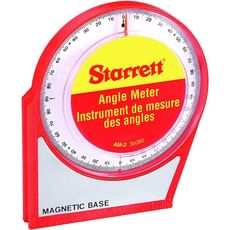
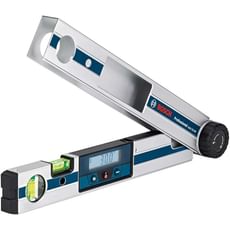
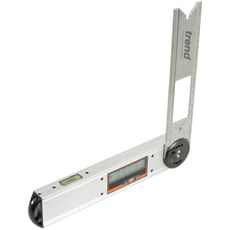
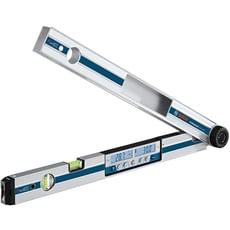
Modern angle finders come in several distinct types to suit different trades and budgets. Digital angle measurers from premium brands like Bosch Professional, Festool, and Stabila offer accuracy to 0.1 degrees with features including hold functions, zeroing capabilities, and backlit displays for visibility in poorly lit spaces. Mechanical angle metres from manufacturers such as Starrett and Tajima provide dependable performance without batteries, making them ideal for dusty or wet site conditions. Specialised tools like the Trend Anglefix mitre guide system are purpose-designed for specific applications, whilst laser line inclinometers project visible reference lines for large-scale layout work and remote measurements.
Professional-grade digital models have revolutionised accuracy on site, with features that extend far beyond simple angle measurement. Many instruments now include magnetic bases for hands-free attachment to saw tables and metalwork, rotating displays that automatically orient for comfortable viewing, and memory functions to store frequently used angles. For tradespeople working to tight tolerances on fine joinery, structural fabrication, or compliance-critical installations such as drainage falls and accessibility ramps, investing in a quality angle finder from Tooled-Up reduces material waste and delivers consistently precise results.
Jargon Buster
- Digital Inclinometer
- An electronic measuring device that displays angle measurements on an LCD screen, typically accurate to within 0.1-0.2 degrees. Uses internal sensors to calculate inclination relative to gravity or a reference surface, with most models operating on standard AA or button cell batteries.
- Dual-Scale Readout
- A display showing measurements in both degrees (0-360°) and gradient/pitch formats. Particularly useful for roofing work and drainage applications where fall calculations are required to meet UK building regulations specifications.
- Hold/Lock Function
- A feature that freezes the current measurement on the display, allowing you to remove the tool from awkward positions whilst retaining the reading for transfer to your workpiece or recording in documentation.
- Zeroing/Reference Setting
- The ability to set any angle as 0°, enabling measurement of relative angles between two surfaces without calculating the difference manually. Essential for complex joinery work and when setting up machinery to specific operational angles.
- Bevel Gauge
- A traditional angle-finding tool consisting of two adjustable arms that can be locked at any angle, then transferred directly to marking or cutting equipment. Contains no electronics, making it highly reliable in demanding site conditions.
- Resolution
- The smallest increment an angle finder can display, typically 0.1° for digital models and 1° for mechanical versions. Higher resolution means more precise measurements for exacting work such as fine furniture making and precision engineering applications.
Who Uses Angle Finders?
Angle finders serve a diverse range of trades and applications across the construction and manufacturing industries:
- Carpenters and Joiners: Setting mitre saw angles for skirting, architrave, and crown moulding; checking door frame alignment; verifying staircase pitches; and precision work on bespoke joinery projects
- Roofers: Measuring roof pitches accurately for material calculations, ensuring drainage compliance with UK building regulations, and setting up cutting equipment for hip and valley rafters
- Plumbers and Heating Engineers: Ensuring correct fall on waste pipes (typically 1:40 to 1:110 depending on application); verifying boiler flue angles meet manufacturer installation requirements and building regulations
- Metalworkers and Fabricators: Setting up milling machines, band saws, and welding jigs; verifying weld angles on structural steelwork; and quality control inspection of fabricated components
- Tilers: Checking substrate levels before installation; setting bevelled edges on feature walls; verifying falls in wet rooms and shower areas for proper drainage
- Window and Door Fitters: Assessing reveals for out-of-square openings; checking frame alignment during installation; measuring for made-to-measure orders in refurbishment projects
- Shopfitters and Kitchen Installers: Measuring awkward walls for precise cabinet scribing; setting up worktop mitres; verifying wall angles for bespoke furniture installation
- Site Engineers: Verifying ground levels, ramp gradients, and accessibility compliance on construction projects; checking formwork alignment; quality control documentation
- DIY Enthusiasts: Tackling home improvement projects requiring accurate angular measurements, from decking and garden structures to shelving installation and picture rail fitting
How to Choose the Right Angle Finders
Accuracy Requirements: Professional digital models from Bosch Professional, Festool, and Stabila offer accuracy to 0.1° with factory calibration for consistent performance—essential for fine joinery, precision engineering, and quality-critical fabrication work. For general carpentry, roofing, and DIY applications, mechanical angle finders or basic digital models with 0.2-0.5° accuracy provide excellent value whilst delivering reliable results for everyday trade work.
Digital versus Mechanical: Digital angle measurers provide instant, easy-to-read measurements with advanced features like memory storage, data hold functions, and zeroing capabilities. They're ideal for fast-paced site work and complex calculations where speed and convenience matter. Mechanical angle metres and bevel gauges like those from Starrett contain no electronics to fail, making them dependable in dusty workshops, wet site conditions, and extreme temperatures whilst requiring no batteries—favoured by traditionalist craftspeople and for workshop reference tools.
Display and Readability: Look for backlit LCD screens if you regularly work in poorly lit areas such as loft spaces, basement conversions, or enclosed structural voids. Large digits improve readability when working at arm's length or in bright sunlight. Some premium models feature rotating displays that automatically orient for comfortable viewing regardless of tool position, reducing neck strain during prolonged use.
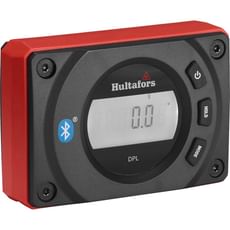
Size and Portability: Compact pocket levels like the Hultafors DPL fit comfortably in tool belts and pouches for quick on-the-spot checks throughout the working day. Longer measurement arms (200mm+) provide stability on larger workpieces such as sheet materials and improve accuracy over greater distances. Models with 400mm arms like the Bosch GAM 220 offer enhanced precision for machinery setup and large-scale fabrication. Consider where you'll use the tool most frequently when selecting size—site workers benefit from portability, whilst workshop-based tradespeople may prioritise arm length and stability.
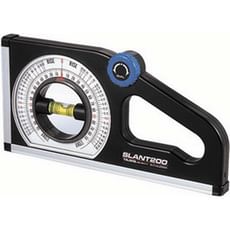
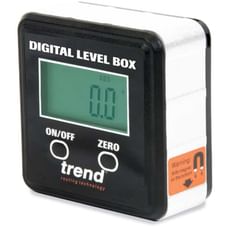
Additional Features: Laser line inclinometers project visible reference lines for remote measurements—useful for large-scale layout work on walls, ceilings, and structural elements. Hold functions let you capture measurements in awkward positions such as overhead work or tight access areas. Zeroing capabilities simplify relative angle calculations between surfaces without manual arithmetic. Models with magnetic bases attach securely to saw tables, machine beds, and metalwork whilst measuring, enabling hands-free operation and improved workflow efficiency.
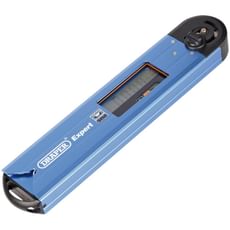
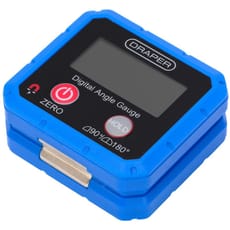
Build Quality and Protection: Professional tools feature robust housings with IP protection ratings against dust and moisture ingress—critical for site durability. Bosch Professional and Festool models withstand demanding conditions including drops from working height, exposure to cement dust, and typical building site abuse. Budget options from Draper and Sealey suit occasional use and workshop environments where tools remain relatively protected. Consider whether your tool needs to survive being dropped from scaffolding or will live safely in a workshop drawer between uses.
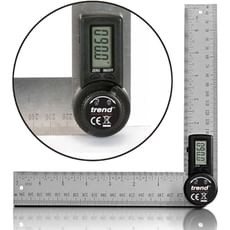
Brand and Support: Established manufacturers like Bosch, Stabila, and Starrett provide reliable calibration, comprehensive warranty support, and replacement parts availability. Trend offers excellent value for woodworkers with specialised accessories like their Anglefix mitre guide system that integrates with standard saw equipment. Match your investment to usage frequency—daily professional use justifies premium models with long-term accuracy and durability, whilst weekend DIY projects don't necessarily require top-tier specifications or professional-grade build quality.
Popular Accessories
- Replacement Batteries: Keep spare batteries for digital models to avoid downtime on site—most use standard button cells or AA batteries readily available from tool stockists and high street retailers
- Protective Cases: Purpose-made storage cases protect precision instruments from damage during transport in vans and on site, keeping them calibrated between uses and extending working life
- Magnetic Adapters: Aftermarket magnetic bases convert standard angle finders for hands-free use on ferrous surfaces like saw tables, structural steel, and machine beds during setup procedures
- Extension Arms: Available for some professional models to increase measurement range for large-scale fabrication, structural layout work, and checking long-span beam alignment
- Calibration Tools: Precision reference blocks and certified angle standards allow verification of accuracy and recalibration where manufacturers provide adjustment procedures in technical documentation
- Mitre Saw Accessories: Specialised angle finders like the Festool SM-KS integrate with specific saw systems for streamlined setup and enhanced accuracy when cutting crown moulding and compound mitres
- Carry Pouches: Belt-mounted holsters and protective pouches provide quick access whilst working at height or moving frequently around site without returning to toolboxes
Frequently Asked Questions
What's the difference between a digital angle finder and a spirit level with angle display?
Digital angle finders are purpose-designed for measuring angles with higher precision (typically 0.1-0.2°) and often include features like hold functions, zeroing capabilities, and extended measurement ranges up to 220° or 360°. Spirit levels with angle displays prioritise levelling accuracy and may have less precise angle measurement (0.5-1°), making them suitable for general positioning and checking plumb rather than precision cutting or fabrication work where tight tolerances are critical.
Do digital angle finders need regular calibration?
Quality digital models from manufacturers like Bosch and Stabila maintain accuracy for years under normal use conditions. However, if dropped from working height or subjected to significant impact, verification against a known reference angle is advisable before critical measurements. Some professional tradespeople check calibration annually, particularly for quality-critical applications such as aerospace components or precision joinery. Many models include self-test functions and user calibration procedures detailed in the instruction manual, whilst manufacturers offer factory recalibration services for professional instruments.
Can angle finders be used outdoors in typical UK weather?
Most digital angle finders function reliably in temperatures from -10°C to +50°C, covering typical UK conditions throughout the year. However, they're not typically waterproof unless specified with IP protection ratings—check specifications if working in wet conditions such as external steelwork or roofing during changeable weather. Rain and excessive moisture can damage electronics and LCD displays. Mechanical angle metres are more weather-resistant but may be harder to read in bright sunlight. For external applications, consider models with IP54 or higher protection ratings against dust and water ingress.
How accurate do I need my angle finder to be?
For carpentry mitres on skirting, architrave, and general joinery, 0.2-0.5° accuracy suffices for professional results. Fine furniture making and precision cabinetry benefit from 0.1° accuracy to ensure perfect joints on high-value work. Structural steel fabrication and engineering applications may require even tighter tolerances with certified calibration. Consider cumulative error—on long runs or multiple cuts, even small inaccuracies compound into visible gaps. When working to UK building regulations for drainage falls (typically 1:40 minimum) or accessibility ramps (maximum 1:12 gradient), verify your tool's accuracy meets the specification requirements for compliance documentation.
Will an angle finder help me set up my mitre saw accurately?
Absolutely—angle finders eliminate reliance on saw scale markings, which can be inaccurate due to manufacturing tolerances or difficult to read precisely, particularly on budget equipment. Measure the actual angle required on site using the angle finder, transfer that measurement to verify your saw setup, then confirm the cut angle on a test piece before cutting expensive material such as hardwood mouldings or engineered flooring. Some models like the Trend Anglefix are designed specifically for mitre saw setup with features that reference directly against fence and blade, whilst digital measurers with magnetic bases attach directly to saw tables for convenient verification during adjustment.