

Angle Grinders
Pay in 3 interest-free payments on purchases from £30-2000 with  . Learn more.
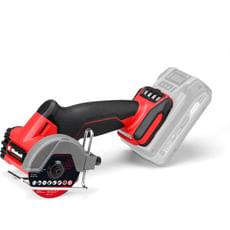
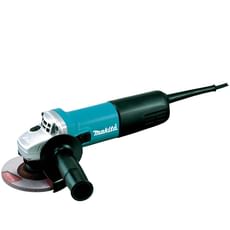
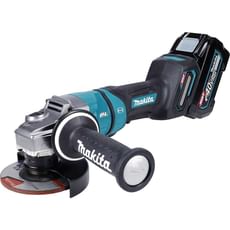
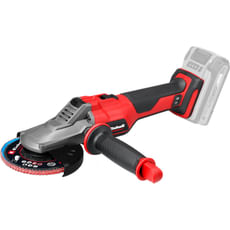
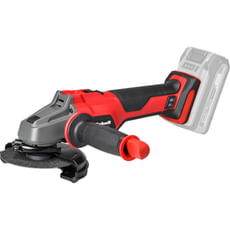
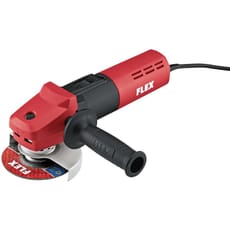
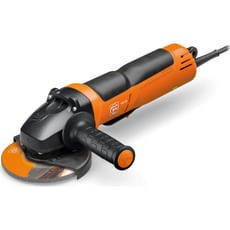
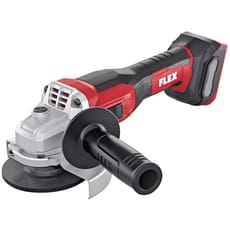
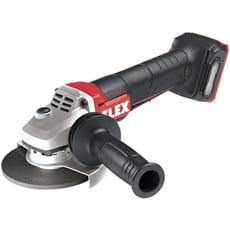
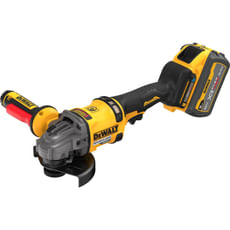
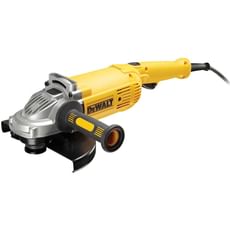
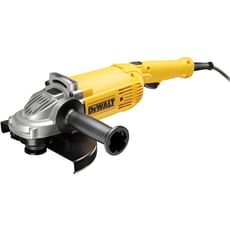
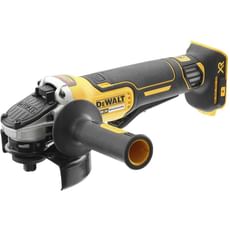
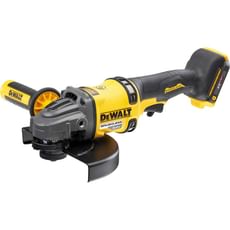
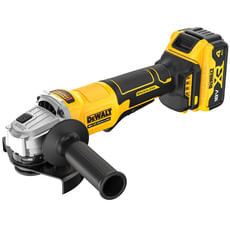
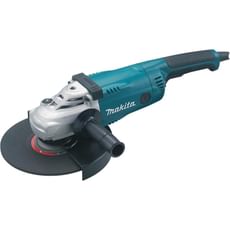
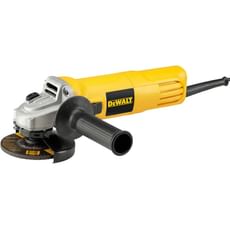
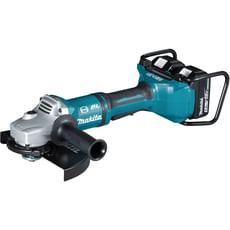
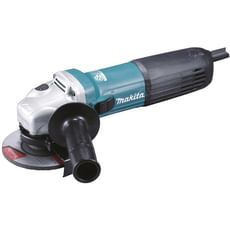
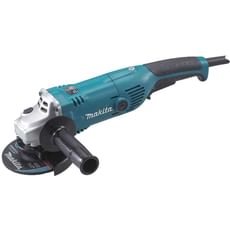
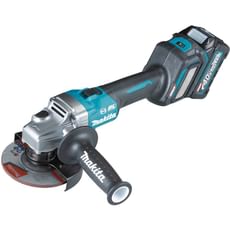
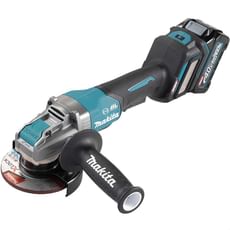
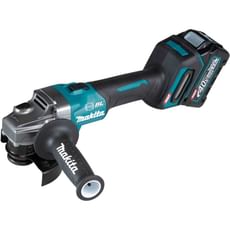
Makita GA043G 40v Max XGT Cordless Brushless X LOCK Angle Grinder 115mm
available
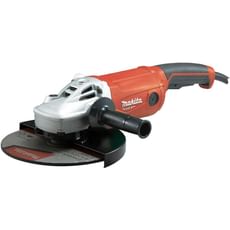
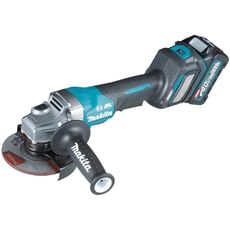
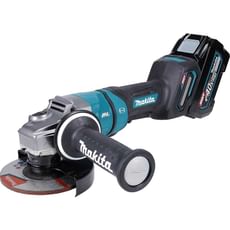
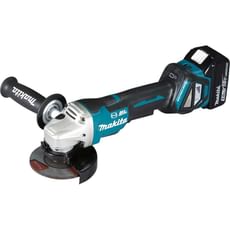
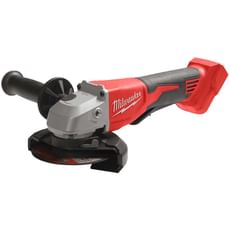
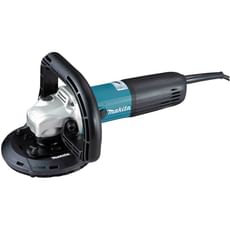
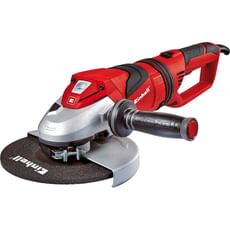
 Loading...
End of content
Error - No more pages to load
About Angle Grinders
Angle grinders are among the most versatile power tools available, capable of cutting, grinding, polishing, and finishing a wide range of materials including metal, stone, concrete, and ceramics. These essential tools are classified by their disc size, with the most common sizes being 115mm and 125mm for general purpose work, whilst larger 150mm, 180mm, and 230mm models tackle heavier-duty applications. Whether you need to cut through steel reinforcement bars, grind weld seams smooth, remove rust and paint, or cut paving slabs, there's an angle grinder suited to the task.
Tooled-Up.com stocks a comprehensive range of angle grinders from leading manufacturers including Bosch Professional, DeWalt, Milwaukee, and Makita. Modern angle grinders are available in both corded and cordless configurations, with 240v mains-powered models offering unlimited runtime for workshop use, whilst 18v cordless variants provide the freedom to work anywhere on site without trailing cables. Today's cordless technology delivers impressive power that rivals corded tools, with brushless motors extending battery life and tool longevity significantly.
Beyond the basic grinder itself, these tools accept an extensive array of accessories that dramatically expand their capabilities. From cutting discs and grinding wheels to wire brushes, flap discs, diamond blades, polishing pads, and even specialised attachments for carving wood or drilling tiles, the angle grinder truly earns its reputation as one of the most adaptable tools in any tradesperson's kit.
Jargon Buster
- Disc Size (115mm, 125mm, 230mm): The diameter of cutting or grinding disc the tool accepts. Smaller discs spin faster and suit precision work, whilst larger discs cut deeper and cover more surface area but produce heavier, more unwieldy tools.
- Brushless Motor: Modern motor technology that eliminates carbon brushes, resulting in more efficient power delivery, longer runtime on cordless models, reduced maintenance, and extended tool life compared to traditional brushed motors.
- Variable Speed Control: Allows the user to adjust the disc rotation speed to suit different materials and applications. Lower speeds work better for polishing and working with heat-sensitive materials, whilst maximum speed suits aggressive cutting and grinding.
- Anti-Kickback Protection: A safety feature that detects sudden tool movement caused by disc binding or snagging and automatically cuts power to prevent the grinder being wrenched from the operator's hands.
- Spindle Lock: A button that locks the drive spindle in place, making it easier to tighten or remove discs and accessories without the spindle rotating.
- Dead Man's Switch: A safety switch that requires constant pressure to keep the tool running. Releasing the switch immediately stops the motor, providing an important safety mechanism if control is lost.
Who Uses Angle Grinders?
- Metal Fabricators and Welders: For cutting steel sections, grinding weld seams flush, and preparing surfaces for welding
- Construction Workers and Groundworkers: Cutting concrete slabs, paving stones, drainage pipes, and removing mortar
- Plumbers and Gas Engineers: Cutting and preparing metal pipework, removing corroded fixings, and site modifications
- Mechanics and Vehicle Technicians: Cutting rusted bolts, grinding bodywork, removing paint and corrosion from automotive components
- Stonemasons and Tilers: Cutting natural stone, marble, tiles, and ceramics with diamond blades
- Maintenance Engineers: General repair work, removing damaged fixings, surface preparation, and restoration tasks
- Carpenters and Joiners: Using specialist carving discs for shaping timber and creative woodworking applications
- Demolition Contractors: Cutting through various materials during strip-out and demolition projects
- DIY Enthusiasts and Homeowners: Tackling home improvement projects from cutting decking to preparing metalwork for painting
How to Choose the Right Angle Grinder
Disc Size: For most general applications, a 115mm or 125mm grinder offers the best balance of power, control, and versatility. These smaller models are lighter, easier to handle, and suitable for approximately 80% of typical tasks. Choose 150mm to 230mm models only when regularly cutting deep materials or covering large surface areas, accepting that these tools are considerably heavier and more fatiguing to use.
Power Source: Decide between corded 240v or cordless battery-powered models based on your working environment. Mains-powered grinders at Tooled-Up deliver consistent power for extended periods and suit workshop-based applications perfectly. Cordless 18v models provide excellent portability for site work, though you'll need to consider battery capacity and having spares charged for all-day use. Modern brushless cordless grinders from DeWalt, Milwaukee, and Bosch Professional now deliver performance that closely matches corded equivalents.
Motor Power and Performance: Corded grinders typically range from 750W to 2600W. For 115mm and 125mm models, anything between 750W and 1200W suits general use, whilst larger disc sizes require more powerful motors. Look for no-load speeds appropriate to your applications – smaller discs typically spin at 10,000-12,000 RPM, whilst larger discs run slower at 6,000-8,500 RPM.
Essential Features: Variable speed control allows you to match the tool's performance to different materials and tasks. Soft start reduces the jarring kickback when starting the tool and prolongs motor life. Tool-free disc guard adjustment lets you quickly reposition the guard for different cutting angles without hunting for spanners. Anti-vibration handles reduce fatigue during extended use, whilst electronic motor protection prevents overheating damage.
Safety Features: Modern angle grinders incorporate important safety technology. Anti-kickback systems detect blade binding and cut power immediately. Dead man's switches ensure the tool stops if you lose grip. Restart protection prevents the tool automatically starting when power is restored after an interruption. These features are particularly valuable for less experienced users.
Popular Accessories
- Cutting Discs: Thin metal cutting discs for steel and stainless steel, available in various thicknesses and specifications
- Grinding Discs: Thicker depressed-centre discs for aggressive material removal and surface grinding
- Diamond Blades: Essential for cutting concrete, stone, brick, tiles, and masonry materials cleanly
- Flap Discs: Abrasive flaps bonded to a backing plate, ideal for grinding, finishing, and blending in one operation
- Wire Brushes: Cup and wheel configurations for removing rust, paint, and surface contamination
- Polishing Pads and Bonnets: For achieving smooth, polished finishes on metal and stone surfaces
- Sanding Backing Pads: Convert your grinder into a surface sander with hook-and-loop backed sanding discs
- Mortar Raking Blades: Specialised diamond blades designed for removing mortar from between bricks
- Safety Equipment: Face shields, safety goggles, hearing protection, rigger gloves, and dust masks rated for your specific application
- Spare Guards and Handles: Replacement parts to keep your grinder working safely and comfortably
Safety Information
Angle grinders are powerful tools that demand respect and proper safety precautions. Eye protection is absolutely essential – full-face shields provide better coverage than goggles alone, as grinding and cutting operations produce sparks, hot debris, and potentially disc fragments if a wheel shatters. The disc guard must be securely fitted and correctly positioned before every use; it's designed to shield you from disc failure and prevent hands contacting the spinning accessory.
Many grinding and cutting operations generate noise levels exceeding 85dB, which can cause permanent hearing damage. Wear appropriate ear defenders rated for the noise level. Welders' gauntlets or rigger-style gloves protect your hands from sparks, sharp edges, and hot materials, though never wear loose gloves that could be caught by the spinning disc. Dust masks or respirators rated for the specific material you're working with are essential – cutting concrete, masonry, or metal produces hazardous dust that shouldn't be inhaled.
Always ensure discs are rated for the grinder's maximum RPM and suitable for the material being worked. Inspect discs before fitting for any cracks or damage. Never remove the disc guard or operate the tool with damaged guards. Secure your workpiece properly so both hands remain free to control the grinder. Be aware of the kickback zone – never position yourself directly behind the grinder in case of disc binding. The HSE provides comprehensive guidance on using abrasive wheels safely, and proper training is recommended for workplace use.
Frequently Asked Questions
What's the difference between a cutting disc and a grinding disc?
Cutting discs are thin (typically 1mm to 3mm) and designed for slicing through materials with minimal material removal. Grinding discs are much thicker (usually 6mm) with a depressed centre, built for aggressive material removal, smoothing welds, and surface preparation. Using a cutting disc for grinding or vice versa is dangerous and can cause disc failure.
Can I use my angle grinder for cutting wood?
Standard grinding and cutting discs should never be used on wood as they can grab and cause dangerous kickback. However, specialised wood carving discs are available that are specifically designed and safety-tested for timber work. These feature chain-saw style teeth or structured carbide designs. Always use the correct disc for your intended material and follow manufacturer guidance.
Should I choose a 115mm or 125mm angle grinder?
For most users, a 125mm grinder offers the best versatility. The larger disc size provides better coverage for grinding and can cut slightly deeper than 115mm models, whilst remaining light and controllable. The 115mm size suits more confined spaces and precision work, and tends to be slightly cheaper. Many professionals at Tooled-Up choose 125mm as their general-purpose option and add a 115mm model for detail work if needed.
How long do cordless angle grinder batteries last?
Runtime depends on battery capacity (typically 2.0Ah to 9.0Ah), the tool's power demands, and application intensity. A quality 5.0Ah battery might provide 20-40 minutes of continuous cutting or grinding in typical applications. For all-day site use, invest in higher-capacity batteries and keep spares charged. Modern brushless motors significantly extend battery life compared to older brushed designs.
Do I need variable speed control on an angle grinder?
Variable speed isn't essential for basic cutting and grinding metal, but it becomes valuable when working with diverse materials. Lower speeds suit polishing operations, working with plastics that might melt at high speeds, and provide better control when cutting tiles or stone. If you'll only cut and grind steel, a fixed-speed model suffices. For varied applications, variable speed adds useful flexibility.