

Axes & Wedges
Pay in 3 interest-free payments on purchases from £30-2000 with  . Learn more.
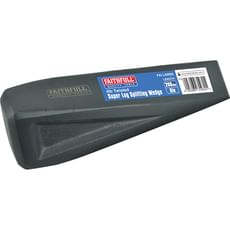
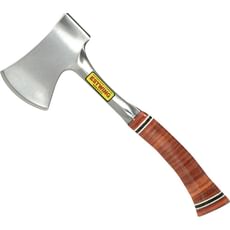
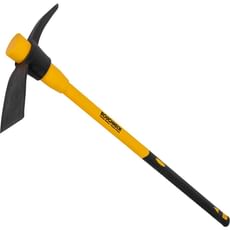
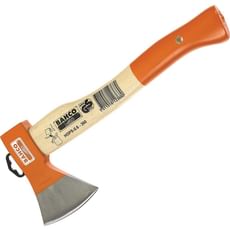
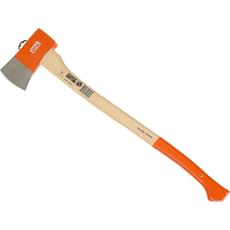
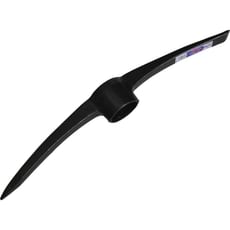
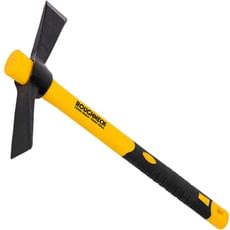
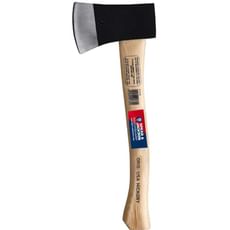
 Loading...
End of content
Error - No more pages to load
About Axes & Wedges
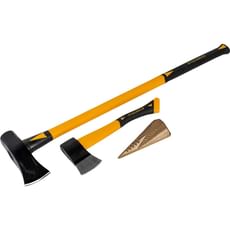
Axes and wedges are fundamental hand tools for anyone working with timber, from professional arborists and forestry contractors to homeowners managing their own firewood supplies. This comprehensive category encompasses everything needed for efficient timber processing: felling axes for bringing down trees, splitting axes and mauls for processing logs into firewood, versatile hand axes and hatchets for smaller tasks and bushcraft applications, and the essential wedges that make heavy splitting work safer and more effective. Whether you're clearing woodland, processing commercial quantities of firewood, or simply maintaining your log store for a wood burner, Tooled-Up.com stocks quality axes and wedges from trusted manufacturers including Silverline, Bahco, and Fiskars.
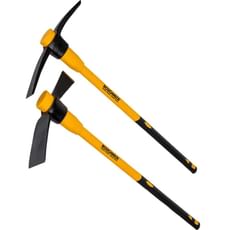
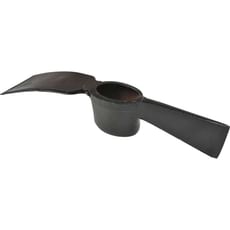
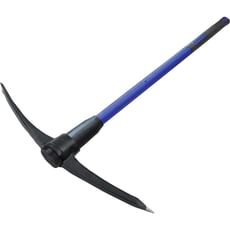
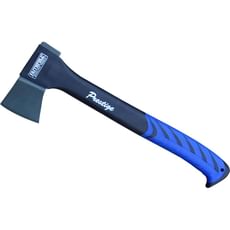
The diversity within this category reflects the specialised nature of different timber tasks. Felling axes feature thin, razor-sharp blades designed to slice across the grain when dropping trees, whilst splitting axes and mauls employ wider, wedge-shaped heads that force wood fibres apart along the grain rather than cutting through them. Hand axes and hatchets offer portability and precision for camping, green woodworking, and detail work. Complementing these cutting tools are felling wedges that help control tree fall direction, and splitting wedges that multiply your force when processing difficult or oversized logs. Pickaxes serve dual purposes in both groundwork and timber applications, whilst log hooks facilitate safe handling of heavy timber.
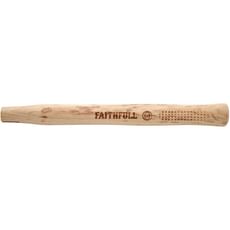
Quality construction matters enormously with axes and wedges, as these tools endure tremendous forces and must perform reliably in demanding conditions. A well-balanced axe with properly heat-treated steel and secure handle attachment will provide decades of service with appropriate maintenance, whilst inferior tools pose genuine safety risks and prove frustratingly inefficient. Modern axes frequently feature fibreglass or composite handles that resist weathering and shock transmission better than traditional materials, though many experienced professionals still favour hickory handles for their natural shock absorption and tactile feedback. The range at Tooled-Up includes both traditional and contemporary designs, ensuring you'll find the right tool for your specific timber working requirements and personal preferences.
Jargon Buster
- Poll: The flat, hammer-like surface on the reverse of an axe head, opposite the cutting edge. Used for striking wedges or as an improvised hammer when splitting logs, eliminating the need to carry separate tools.
- Cheek: The flat side surfaces of an axe head. Cheek thickness and angle determine the tool's purpose—thin cheeks indicate a felling axe designed for cutting, whilst thick, wedge-shaped cheeks identify a splitting axe or maul.
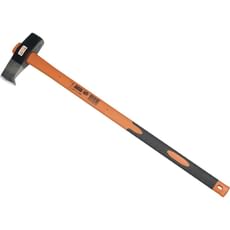
- Maul: A heavy-duty splitting implement with a thick, wedge-shaped head typically weighing 2.5-4kg. Purpose-built for splitting logs rather than felling trees, combining the characteristics of an axe and sledgehammer for maximum splitting force.
- Hinge Wood: The deliberately uncut portion of a tree trunk that acts as a hinge during controlled felling, directing the tree's fall path. Felling wedges are strategically placed to influence this critical process.
- Grain: The direction of wood fibres within timber. Splitting works with the grain (parallel to fibres), whilst felling cuts across the grain. Understanding grain direction and patterns is essential for efficient, safe axe work.
- Overstrike Protection: A reinforced collar or guard where the handle meets the head, preventing catastrophic handle damage if you miss your target and accidentally strike the handle instead of the wedge or workpiece.
Who Uses Axes & Wedges?
- Arborists and tree surgeons conducting professional felling and timber processing operations
- Groundskeepers and estate managers maintaining woodland, parkland, and large rural properties
- Landscaping contractors clearing sites, removing stumps, and processing timber during projects
- Foresters and woodland managers working in commercial forestry and conservation
- Firewood suppliers processing and preparing logs for commercial sale
- Agricultural workers and farmers managing hedgerows, clearing land, and maintaining farm woodland
- Camping and bushcraft enthusiasts using hand axes and hatchets for outdoor pursuits
- DIY homeowners with wood burners, log stores, or woodland plots requiring regular maintenance
- Allotment holders and gardeners processing timber waste and managing vegetation
- Outdoor education centres teaching traditional woodcraft and wilderness survival skills
- Conservation volunteers involved in woodland management and habitat maintenance
How to Choose the Right Axes & Wedges
Primary Task: Match your tool precisely to its intended purpose. Felling axes have thin, sharp blades for cutting across grain when dropping trees, splitting axes feature wedge-shaped heads for processing logs along the grain, and mauls offer maximum splitting force for tough, large-diameter timber. Hand axes and hatchets provide portability for camping, bushcraft, and precision work. Using the wrong tool—such as attempting to split seasoned hardwood with a felling axe—proves dangerously inefficient.
Head Weight: Heavier heads (2-4kg) deliver superior splitting force but cause faster fatigue during extended use. Felling axes typically range from 1-2kg, allowing controlled, repeated swings throughout the day. Consider your physical capability and work duration—a lighter tool you can swing comfortably for hours often outperforms a heavier one that exhausts you within thirty minutes. Splitting mauls are the heaviest category, whilst hatchets may weigh just 400-600g for maximum manoeuvrability.
Handle Material and Length: Traditional hickory handles offer excellent shock absorption and natural feedback but require regular maintenance with linseed oil and protection from prolonged weathering. Modern fibreglass and composite handles resist rot, provide consistent durability regardless of conditions, and require virtually no maintenance. Handle length significantly affects leverage and control—longer handles (700-900mm) provide greater splitting power through increased arc, whilst shorter handles (350-500mm) offer superior precision and manoeuvrability in confined spaces or for detail work.
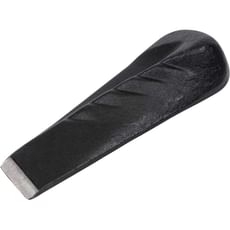
Wedge Selection: Felling wedges are typically manufactured from plastic or aluminium to avoid damaging chainsaw chains if accidentally struck during tree work. Splitting wedges are hardened steel, engineered to withstand repeated heavy hammer or maul strikes without deforming. Consider purchasing multiple wedges in different sizes—you'll frequently need two or three working simultaneously in large or particularly difficult logs with awkward grain patterns.
Build Quality and Brand: Examine head attachment methods carefully. Quality construction features the handle secured with both a wooden or metal wedge driven through the top and ideally a metal collar or epoxy reinforcement. Verify that the head steel is properly heat-treated—it shouldn't dent when struck firmly with another steel object. Established brands like Fiskars, Bahco, and Silverline offer reliable performance backed by proper warranties, whilst budget tools may fail dangerously under the stresses of regular use.
Balance and Ergonomics: Whenever possible, handle the axe before purchasing. A well-designed tool feels balanced with weight centred slightly forward of your grip point. The handle diameter should suit your hand size comfortably—too thin causes blisters, too thick reduces control. Proper balance reduces the effort required for accurate strikes and minimises the risk of glancing blows or missed targets that can cause injury.
Popular Accessories
- Axe sharpening stones, files, and pucks for maintaining keen, efficient cutting edges
- Replacement handle wedges for re-securing loose axe heads to handles
- Protective leather sheaths and blade guards for safe transport and storage
- Boiled linseed oil for treating and preserving traditional wooden handles
- Log splitting wedges in graduated sizes to complement your axes and mauls
- Safety glasses and full-face shields protecting against flying wood chips and splinters
- Heavy-duty work gloves with reinforced palms and good grip for hand protection
- Chainsaw accessories from brands like Makita and Bosch, often used alongside axes for larger timber work
- Log horses, sawing brackets, and chopping blocks for safely securing timber whilst working
- Steel toe cap boots providing essential foot protection when splitting or felling
- Tool storage solutions from Stanley FatMax, DeWalt TSTAK, and Milwaukee PACKOUT for organised transport
- First aid kits specifically equipped for outdoor and forestry work environments
Safety Information
Axes and wedges are powerful tools demanding respect and proper safety practices at all times. Always wear appropriate PPE including safety glasses or a full-face shield to protect against flying wood chips, and steel toe cap boots to protect your feet from dropped tools or rolling logs. Heavy-duty work gloves with reinforced palms and good grip help prevent blisters and improve control, though some experienced users prefer bare hands for better tactile feedback on certain tasks.
Maintain a clear working zone with at least 2 metres radius completely free from other people, pets, and obstacles. Before every swing, look upward to check for overhead obstructions including branches, power lines, or structures. When splitting logs, work at a comfortable height—ideally on a stable chopping block at knee to waist level—and ensure the log is secure and cannot roll. Never hold wood with your hand whilst striking it with an axe; use wedges, another log, or a purpose-built log holder to secure your workpiece instead.
Keep your axe properly sharpened—a sharp blade cuts cleanly and predictably with controlled penetration, whilst a dull blade is more likely to bounce off wood unpredictably, creating dangerous situations. Always carry axes with the blade pointing downward and away from your body. When not actively in use, store axes with blade guards fitted and out of reach of children and untrained individuals. The HSE recommends comprehensive training for anyone using axes professionally, with tree felling operations requiring specific certification under current forestry regulations.
Inspect your tools thoroughly before each use. Check that heads are securely attached with absolutely no movement or cracks visible, handles are free from splits, checks, or damage, and wedges show no signs of mushrooming edges or cracking. Never use a damaged axe or wedge as failure during use can result in serious injury. When striking wedges, ensure you're using appropriate tools—never strike hardened steel splitting wedges with the blade of an axe, always use the poll or a proper sledgehammer to avoid blade damage and dangerous ricochets.
Frequently Asked Questions
What's the difference between a splitting axe and a felling axe?
A felling axe has a thin, razor-sharp blade designed to slice across the wood grain when bringing down trees. The blade profile is relatively narrow to bite deep into standing timber with each swing. A splitting axe or maul has a much thicker, wedge-shaped head that forces wood fibres apart along the grain direction rather than cutting through them. The wider cheeks push the wood apart in a controlled split. Using the wrong tool makes work unnecessarily difficult and potentially dangerous—felling axes bounce off frustratingly when attempting to split seasoned logs, whilst splitting mauls are too thick and heavy for efficient felling cuts across grain.
Do I need wedges if I already have a good splitting axe or maul?
Yes, wedges dramatically improve splitting efficiency and safety, particularly with challenging timber. When processing larger diameter logs or particularly tough wood with knots or irregular grain patterns, wedges allow you to multiply your applied force and maintain splitting progress even in difficult conditions. They also prevent the split from closing back on your axe blade mid-strike, which can trap your tool frustratingly in the log. Starting a split with your axe and then driving wedges home is typically faster and less physically demanding than relying on an axe alone. For felling operations, wedges are essential safety equipment for controlling tree fall direction and preventing dangerous barber chair splits.
Should I choose a fibreglass or traditional wooden handle?
Both materials have distinct advantages for different users and applications. Traditional hickory handles offer superior shock absorption and natural feedback that many professionals prefer for intensive daily use, but they require regular maintenance with boiled linseed oil and are vulnerable to weathering and rot if left outdoors or stored in damp conditions. Modern fibreglass and composite handles are virtually maintenance-free, won't rot or dry out, and provide consistent durability in all weather conditions year-round. They can transmit slightly more vibration to your hands, though quality designs from brands like Fiskars minimise this issue. For occasional use or if tools might be left in unheated sheds or vehicles, fibreglass offers practical advantages. For intensive daily professional work, many still favour hickory's superior shock absorption properties.
How do I properly maintain my axe to keep it working efficiently?
Keep the blade sharp using a file or sharpening stone, working from the edge outward at the existing bevel angle—typically around 25-30 degrees for splitting axes, slightly more acute for felling axes. Clean off sap, dirt, and wood debris after each use, and apply a light coat of oil to the metal head to prevent rust development. Wooden handles benefit from annual treatment with boiled linseed oil, paying particular attention to where the wood meets the head where moisture can penetrate. Check regularly that the head remains securely attached—if it loosens even slightly, drive in a new wedge immediately or consult a professional for proper re-handling. Store axes in a dry location with blade guards fitted. A well-maintained axe can provide decades of reliable service and actually improves with use as the handle burnishes smooth and the head develops a protective patina.
Can I use my axe in all seasons, or does weather significantly affect performance?
Axes function in all seasons, but weather conditions and timber moisture content dramatically affect splitting difficulty and tool performance. Freshly cut "green" wood with high moisture content splits far more easily than fully seasoned timber. Frozen wood during winter months can prove extremely difficult to split as ice crystals in the cell structure resist separation—if possible, store logs you intend to split undercover where they won't freeze solid. Very dry, properly seasoned wood splits most easily during late spring through autumn when moderate temperatures prevail. Cold temperatures can make wooden handles more brittle and prone to failure, whilst extreme heat can loosen head attachments as wood shrinks. Check head tightness more frequently when working in temperature extremes, and consider fibreglass-handled tools if you work outdoors in harsh conditions year-round.