

Belt Sanders
Pay in 3 interest-free payments on purchases from £30-2000 with  . Learn more.
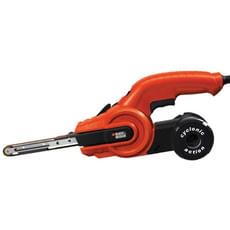
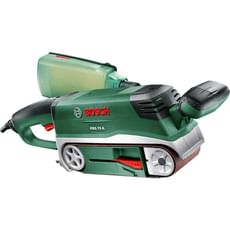
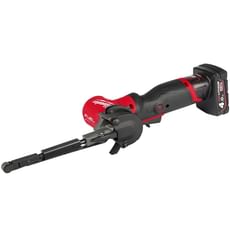
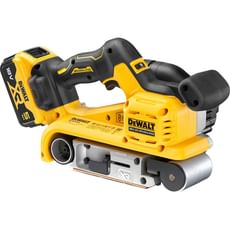
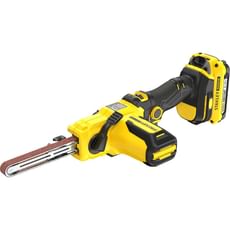
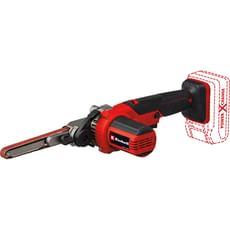
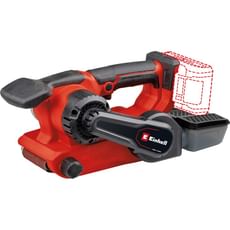
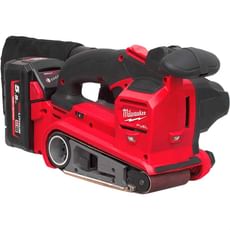
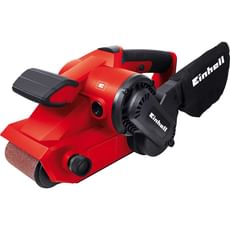
Einhell Professional TP-BS 18/457 BL 18v Cordless Brushless Belt Sander 75mm
in stock

 Loading...
End of content
Error - No more pages to load
About Belt Sanders
Belt sanders rank among the most powerful and aggressive power tools available for surface preparation, employing a continuous loop of abrasive material stretched across rotating drums to deliver exceptional material removal rates. This distinctive conveyor belt action makes them indispensable for heavy-duty tasks such as levelling rough-sawn timber, stripping old paint and varnish from wooden surfaces, and preparing large areas like floorboards, decking, and worktops. Unlike orbital or random orbital sanders that produce fine finishes, belt sanders excel at rapid stock removal where substantial amounts of material need removing quickly and efficiently.
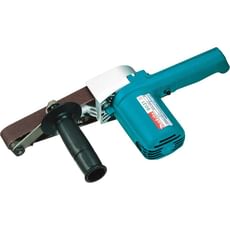
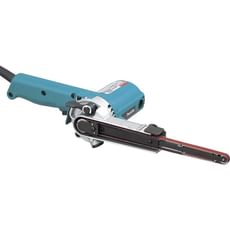
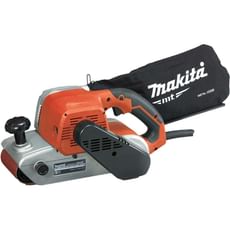
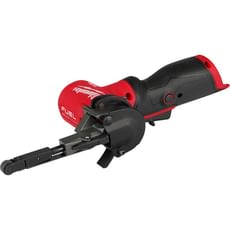
The category encompasses two primary variants: standard belt sanders with belt widths typically ranging from 75mm to 100mm for general surface preparation, and precision file sanders (also known as power files) featuring narrow 13mm belts designed for detailed work in tight corners and intricate profiles. Tooled-Up.com stocks both 240v corded models delivering consistent power output between 600-1,200 watts for extended workshop sessions, and cordless 18v variants offering unmatched portability for site work where mains power proves inaccessible. Leading manufacturers including Makita, DeWalt, Milwaukee, Bosch, and Einhell provide comprehensive ranges spanning professional-grade tools with brushless motors and variable speed controls through to budget-friendly options suitable for occasional DIY applications.
Modern belt sanders feature ergonomic designs with dual-handle configurations—typically a front D-handle or knob combined with a rubberised rear grip—providing superior control over the substantial reactive forces these machines generate. Premium models incorporate variable speed adjustment allowing operators to tailor aggression levels to different materials and applications, whilst integrated dust extraction systems compatible with workshop vacuum extractors capture the considerable quantities of fine dust these tools produce. Whether you're a joiner preparing rough timber, a floor fitter refurbishing hardwood floors, or a furniture restorer stripping decades of old finish, selecting the appropriate belt sander with the correct belt width, power output, and features can dramatically reduce project timescales whilst delivering professional-quality results.
Jargon Buster
- Belt Speed (m/min)
- Measures how rapidly the sanding belt travels across the drums, typically ranging from 200-400 metres per minute. Higher speeds provide faster material removal but demand greater operator control to prevent gouging or creating uneven surfaces. Variable speed models allow you to reduce belt speed for harder woods or finishing work.
- Belt Size
- Specified as width × length (e.g., 75mm × 533mm). The width determines coverage area per pass and application suitability, whilst the length must precisely match your specific sander model. Standard belt sanders use 75-100mm widths; file sanders employ 13mm belts for detail work.
- Grit Rating
- Indicates the coarseness of abrasive particles bonded to the belt surface. Lower numbers (40-60 grit) remove material aggressively for initial levelling; medium grits (80-120) suit general smoothing; fine grits (150-240+) produce finishing-quality surfaces ready for staining or varnishing.
- Brushless Motor
- Advanced motor technology eliminating carbon brushes, delivering improved efficiency, extended runtime on cordless models, reduced maintenance requirements, and significantly longer tool lifespan compared to traditional brushed motors. Brushless tools typically command premium pricing but offer superior long-term value.
- Tracking Adjustment
- A mechanism allowing you to centre the sanding belt on the drums, preventing drift to one side during operation. Proper tracking adjustment ensures even belt wear, prevents edge damage, and maintains consistent sanding performance across the belt width.
- Dust Extraction Efficiency
- Often expressed as a percentage, indicating how much airborne dust the integrated collection system captures. Professional models typically achieve 80-90% efficiency when connected to suitable vacuum extractors, dramatically improving visibility and respiratory protection.
Who Uses Belt Sanders?
Professional Tradespeople:
- Joiners and carpenters for preparing rough timber, levelling joints, and achieving flush surfaces on doors and furniture
- Floor fitters and floor sanders refurbishing hardwood, engineered wood, and parquet flooring in residential and commercial properties
- Decking specialists treating and maintaining outdoor timber surfaces, removing weathered material to reveal fresh wood
- Shop fitters and cabinet makers preparing components and ensuring perfectly flush cabinet faces and worktop surfaces
- Furniture restorers stripping multiple layers of old paint, varnish, or stain from wooden pieces during restoration projects
- Boat builders and marine carpenters working with timber hulls, decking, and marine joinery requiring extensive surface preparation
- Metalworkers using belt sanders for deburring, removing mill scale, and achieving desired surface finishes on aluminium and mild steel
DIY and Domestic Users:
- Home renovators tackling floor refurbishment, door preparation, and woodwork restoration projects
- Garden enthusiasts maintaining decking, fencing, and outdoor furniture through regular surface treatment
- Hobbyist woodworkers building furniture, cabinets, and craft projects requiring professional surface preparation
- Property maintenance professionals preparing surfaces for painting, staining, or refinishing treatments
How to Choose the Right Belt Sanders
Power Source and Runtime: Corded belt sanders typically deliver 600-1,200 watts of consistent power output ideal for extended workshop sessions and demanding applications like floor sanding. The selection at Tooled-Up includes cordless 18v models offering unmatched portability for site work, outdoor projects, and locations without mains access, though battery capacity (Ah rating) determines runtime—expect 15-30 minutes continuous use from quality batteries. Professional tradespeople should invest in high-capacity batteries (5.0Ah or greater) and maintain multiple charged packs for uninterrupted workflow.
Belt Size and Coverage: Standard 75mm belt sanders suit general carpentry, furniture work, and surface preparation tasks, whilst 100mm models cover substantially more area per pass, proving essential for floor sanding and large-scale projects where productivity matters. For intricate work, tight corners, detailed shaping, or accessing areas conventional sanders cannot reach, narrow 13mm file sanders prove indispensable. Always verify belt availability and pricing before purchasing, as some models use proprietary belt sizes with limited aftermarket options.
Motor Power and Speed Control: Motors ranging from 600-900 watts provide sufficient power for most woodworking and carpentry applications. Variable speed control represents a valuable feature, allowing you to adjust aggression levels—slower speeds suit harder woods, prevent burning on finishing passes, and offer greater control, whilst maximum speed accelerates stock removal on softwoods. Premium models feature electronic speed stabilisation maintaining consistent belt speed under varying load conditions.
Dust Management: Quality dust extraction dramatically improves visibility, extends abrasive belt life, and protects respiratory health from hazardous wood dust. Look for integrated dust bags for basic collection or, preferably, extraction ports compatible with workshop vacuum extractors. Professional-grade models achieve superior extraction rates (80-90% efficiency), proving essential for HSE compliance and COSHH regulations on commercial sites.
Ergonomics and Control: Belt sanders generate significant reactive forces requiring firm two-handed control throughout operation. Evaluate weight distribution, handle comfort, grip security, and overall balance before purchasing. Front handle designs (D-handle or knob-style configurations) combined with rubberised rear grips reduce operator fatigue during extended use. Some models feature lock-on switches enabling continuous operation without maintaining trigger pressure.
Build Quality and Brand Reputation: Professional brands like Makita, DeWalt, Milwaukee, and Bosch Professional offer superior durability, comprehensive warranties, and nationwide service networks ensuring parts availability and repair support. Budget ranges from Einhell, Black & Decker, and Draper suit occasional DIY use where lower purchase costs outweigh long-term durability considerations. Consider ongoing abrasive belt costs and parts availability when evaluating overall value.
Popular Accessories
- Sanding Belts: Available in various grit ratings from coarse (40-60) through medium (80-120) to fine (150-240+). Stock multiple grits for progressive sanding sequences achieving professional finishes. Premium ceramic or zirconia belts significantly outlast standard aluminium oxide on hardwoods and abrasive materials.
- Dust Extraction Systems: Workshop vacuum extractors with HEPA filtration capture hazardous wood dust, dramatically improving air quality, visibility, and ensuring COSHH compliance on professional sites. Select models with appropriate airflow ratings matching your sander's extraction requirements.
- Sanding Frames and Guides: Attachable frames help maintain consistent pressure, prevent tipping, and control sanding angles when working on floors or large panels, particularly useful for less experienced operators tackling demanding projects.
- Replacement Dust Bags: Fabric dust bags eventually tear or become clogged, reducing extraction efficiency. Keep spares available or upgrade to reusable bags with improved filtration properties and easier emptying.
- Spare Carbon Brushes: For 240v models with traditional brushed motors, replacement carbon brushes extend tool lifespan. Professional users should stock spares to minimise downtime when brushes wear.
- Graphite Powder: Applied to sanding belts, graphite reduces heat buildup when sanding resinous softwoods or removing painted surfaces, extending belt life and preventing premature clogging.
Safety Information
Respiratory Protection: Belt sanders generate substantial quantities of fine dust, including potentially hazardous hardwood dust classified as a carcinogen under COSHH regulations. Always wear appropriate respiratory protection—minimum FFP2 masks for short-duration work, or powered respirators for extended professional use. Connect to vacuum extraction wherever possible to minimise airborne dust exposure.
Eye and Hearing Protection: Safety glasses or full face shields protect against ejected particles, splinters, and debris. Belt sanders typically generate 80-95 decibels during operation, necessitating hearing protection during prolonged use to prevent long-term hearing damage in accordance with HSE guidance.
Operational Safety: The moving belt can cause serious abrasion injuries to skin and presents particular risk to fingers. Always grip both handles firmly, maintain secure footing, and keep the tool moving continuously across the surface to prevent gouging or creating depressions. Never place the sander down until the belt has stopped completely. Disconnect from 240v mains power before changing belts, making tracking adjustments, or performing maintenance.
Electrical Safety: Ensure 240v corded models are connected via RCD protection, particularly mandatory on construction sites. Regularly inspect cables for damage, paying attention to the entry point where flexing causes wear. Cordless models should use genuine manufacturer batteries with built-in safety features including overload protection and thermal management.
Fire Prevention: Friction generates considerable heat which can ignite accumulated dust, particularly when using fine grits on resinous woods or working with old paint containing flammable solvents. Ensure adequate ventilation, empty dust extraction systems regularly before capacity is reached, and keep appropriate fire extinguishers accessible in workshop environments.
Frequently Asked Questions
What's the difference between a belt sander and an orbital sander?
Belt sanders use a continuous loop of abrasive material rotating at high speed, excelling at rapid stock removal on large flat surfaces and removing substantial amounts of material quickly. Orbital sanders employ circular or random orbital motion with round sanding discs, delivering finer finishes with less visible scratching. Belt sanders remove material approximately 3-5 times faster but require more skill and control to avoid gouging. For most projects, use a belt sander for initial preparation and levelling, then switch to an orbital sander for achieving finishing-quality surfaces.
Can I use a belt sander on metal as well as wood?
Yes, belt sanders work effectively on softer metals like aluminium, brass, and mild steel for deburring, rust removal, and surface preparation before welding or painting. Use appropriate metal-cutting abrasive belts (typically silicon carbide or aluminium oxide formulated for metalworking) rather than standard wood-sanding belts. Ensure adequate spark management in your workspace and never use the same belts interchangeably between metal and wood to prevent contamination. Heavy-duty models with robust construction suit metalworking applications better than lightweight DIY variants.
How do I prevent a belt sander from leaving grooves or tramlines in the wood?
Keep the sander moving continuously in the direction of the wood grain—never allow it to dwell in one spot. Start the motor before contacting the surface and lift off before stopping to avoid creating start and stop marks. Use appropriate grit progression without jumping grades (don't leap from 60 to 180 grit). Maintain even pressure without forcing the tool downwards, allowing the belt's abrasive action to do the work. Check tracking adjustment regularly to ensure the belt runs centrally on the drums. Practice on scrap material before tackling visible surfaces.
What belt grit should I start with for floor sanding?
For heavily worn or uneven floors requiring substantial levelling, begin with 40-50 grit for aggressive material removal, then progress through 60-80 grit for smoothing, and finish with 100-120 grit before applying stains or finishes. Lightly worn floors in good condition may only require 60 grit followed by 100 grit. Always sand following the grain direction and overlap each pass by approximately 50% to avoid visible lines. Professional floor sanders may employ different sequences depending on wood species, floor condition, and desired finish quality.
Are cordless belt sanders powerful enough for professional use?
Modern 18v brushless cordless belt sanders from manufacturers like DeWalt, Milwaukee, and Makita deliver performance comparable to corded equivalents for most applications except continuous floor sanding requiring sustained high power. They excel at site work, outdoor projects, decking maintenance, and locations without mains power access. Battery runtime typically provides 15-30 minutes of continuous use depending on battery capacity (Ah rating) and workload intensity. Professional tradespeople should invest in high-capacity batteries (5.0Ah or greater) and maintain multiple charged packs for uninterrupted workflow throughout the working day.