

Biscuit Jointers

Pay in 3 interest-free payments on purchases from £20-£3000 with  . Learn more.
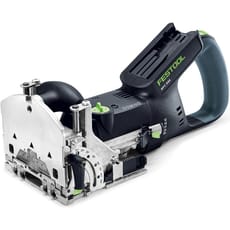
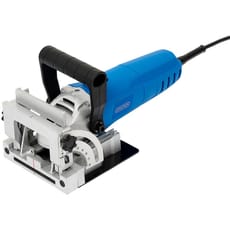
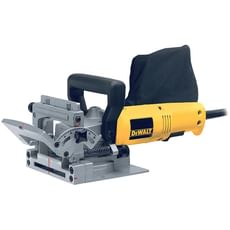
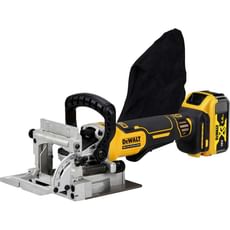
 Loading...
End of content
Error - No more pages to load
About Biscuit Jointers
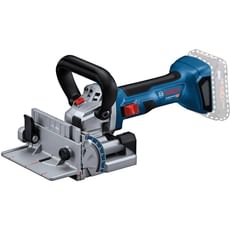
Biscuit jointers, also known as biscuit joiners or plate joiners, are specialised woodworking power tools designed to create strong, precise joints between two pieces of timber. These tools work by cutting crescent-shaped slots into mating edges of wood, into which a compressed beech wood biscuit is glued. When moisture from the adhesive causes the biscuit to swell, it creates an incredibly strong and accurate joint that's ideal for everything from kitchen worktops and cabinet construction to picture frames and furniture making. The tool uses a small spring-loaded circular saw blade, typically 100mm in diameter, which plunges into the workpiece to cut the slots.
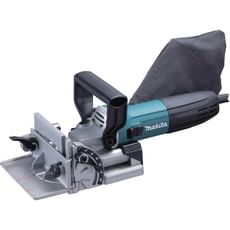
Modern biscuit jointers range from compact corded models perfect for site work to premium cordless versions offering complete freedom of movement around the workshop. Whether you're working with solid hardwoods, softwoods, or sheet materials like MDF, plywood and chipboard, a quality biscuit jointer delivers consistent results that are far superior to dowel joints or simple butt joints. Tooled-Up.com stocks traditional biscuit jointers from brands like Makita, DeWalt, Bosch Professional and Draper, as well as innovative domino jointing systems from Festool that use rectangular tenons instead of oval biscuits.
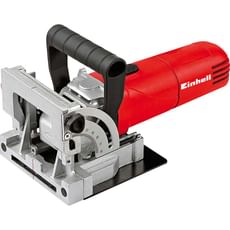
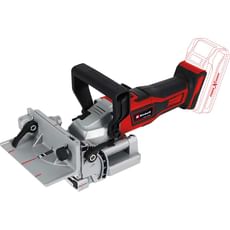
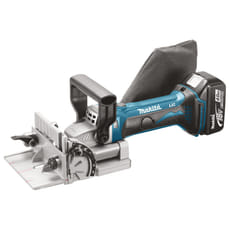
With options ranging from budget-friendly models like the Einhell TC-BJ 900 suitable for occasional DIY use to professional-grade 18v cordless tools built for daily workshop demands, there's a biscuit jointer to suit every skill level and budget. Cordless models from DeWalt, Makita, Bosch and Festool provide excellent portability for kitchen fitters and site work, whilst powerful 240v corded versions deliver unlimited runtime for workshop-based furniture making and joinery.
Jargon Buster
- Biscuit Sizes: Standardised compressed beech wood wafers available in sizes 0, 10, and 20 (with 20 being the largest at approximately 53mm x 19mm). The size corresponds to the slot depth and width required for different material thicknesses.
- Plunge Depth: The adjustable distance the blade extends into the workpiece, typically ranging from 8mm to 20mm. This determines which biscuit size can be used and affects joint strength.
- Fence Angle: Most biscuit jointers feature adjustable fences that can be set at common angles (0°, 45°, 90°, 135°) for mitre joints and corner assemblies in frame and cabinet construction.
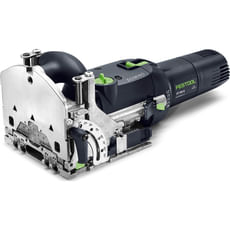
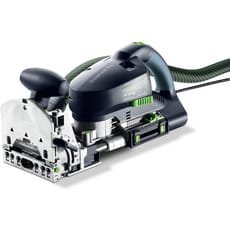
- Domino System: Festool's proprietary mortise and tenon jointing system that uses rectangular loose tenons rather than traditional oval biscuits, offering greater strength and versatility for professional joinery.
- Brushless Motor: Modern motor technology found in premium cordless models that delivers increased efficiency, longer runtime, reduced maintenance and extended tool life compared to traditional brushed motors.
- Anti-Kickback Device: Safety feature consisting of spring-loaded pins on the tool's face plate that grip the workpiece and prevent the tool from skating across the surface during plunge cuts.
Who Uses Biscuit Jointers?
Biscuit jointers are essential tools for a wide range of woodworking professionals and enthusiasts:
- Cabinet Makers and Kitchen Fitters: For assembling carcasses, face frames, and creating invisible joints in worktop installations
- Joiners and Chippies: For on-site door and window frame construction, skirting joints, and general carpentry work
- Furniture Makers: For creating strong joints in tables, chairs, wardrobes, and bespoke furniture pieces
- Shopfitters: For retail display units, shelving systems, and commercial joinery installations
- Woodworking Hobbyists: For home workshop projects requiring professional-quality joints without complex traditional joinery skills
- Set Builders and Prop Makers: For quick assembly of theatrical sets and film props requiring solid but temporary constructions
- DIY Enthusiasts: For home improvement projects like built-in wardrobes, shelving units, and general woodworking tasks
How to Choose the Right Biscuit Jointers
Power Source: Corded biscuit jointers typically offer 600-900 watts of consistent 240v power and are ideal for workshop use where mains electricity is readily available. Cordless 18v models from Makita, DeWalt, Bosch and Festool provide excellent portability for site work but require consideration of battery capacity and whether you're already invested in a particular battery platform.
Motor Type: Brushless motors, found in premium models like the DeWalt DCW682 XR, offer superior efficiency, longer runtime, and extended lifespan. Budget-friendly brushed motor options from brands like Einhell and Draper are perfectly adequate for occasional use and DIY applications.
Blade Size and Plunge Depth: Standard 100mm blades with adjustable plunge depths are suitable for most applications. Check that the model can accommodate all three standard biscuit sizes (0, 10, 20) and offers fine depth adjustment for precise control.
Fence Adjustability: Look for robust fences with clear angle markings and positive stops at common angles. Higher-end models offer micro-adjustment features and extended fence capacity for working with wider boards.
Dust Extraction: Quality biscuit jointers produce considerable fine dust, particularly when working with MDF. Models with efficient dust extraction ports compatible with standard workshop vacuum hoses help maintain a healthier working environment and comply with HSE dust exposure regulations.
Build Quality and Ergonomics: Professional tradespeople should invest in robust models with metal housings, precision-machined fences, and comfortable grips for extended use. The Festool Domino range available at Tooled-Up represents the premium end of the market, whilst Makita, Bosch and DeWalt offer excellent mid-range professional options. Einhell and Draper provide reliable entry-level choices for lighter duty work.
Popular Accessories
- Biscuit Assortments: Compressed beech wood biscuits in various sizes (0, 10, 20). Available in boxes of 100-1000 pieces, essential consumables for any biscuit jointing work.
- Domino Tenons: For Festool Domino systems, rectangular loose tenons available in various sizes and materials including beech, sipo mahogany, and even oak for visible joinery.
- Dust Extraction Hoses and Adaptors: Connect your biscuit jointer to workshop vacuum systems for cleaner, healthier working conditions and improved visibility of cut lines.
- Replacement Blades: Tungsten carbide tipped (TCT) replacement blades ensure continued precision cutting. Replace when joints become loose-fitting or blade shows visible wear.
- Workpiece Clamps: Quality F-clamps or sash clamps are essential for securing workpieces during cutting and for clamping assemblies whilst adhesive cures.
- PVA Wood Adhesive: High-quality wood glue specifically formulated for joinery work, providing the moisture needed to expand biscuits and create strong bonds.
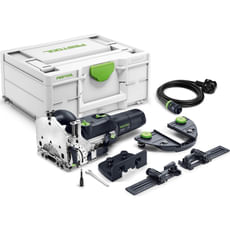
- Carrying Cases: Protective cases keep your tool, accessories, and biscuit supplies organised and protected during transport between jobs.
Safety Information
Biscuit jointers incorporate high-speed circular saw blades and require proper safety precautions to prevent injury. Always ensure workpieces are securely clamped or fixed before making any cuts—hand-held workpieces can shift unexpectedly, causing dangerous kickback or loss of control.
Respiratory protection is essential when using biscuit jointers, particularly when cutting MDF, chipboard, or manufactured boards. Fine dust from these materials presents serious health risks. Use a dust mask rated at least FFP2 or preferably connect to an HSE-compliant dust extraction system. Always work in well-ventilated areas and be aware of COSHH regulations regarding wood dust exposure limits.
Wear appropriate PPE including safety glasses to protect against flying debris and hearing protection when working for extended periods. Ensure the tool is disconnected from power (or battery removed) before changing blades or clearing blockages. Keep hands well clear of the blade area and never disable safety features like anti-kickback devices. Always allow the blade to reach full speed before plunging and let it stop completely before withdrawing from the cut.
Inspect blades regularly for damage, ensure all guards are functioning correctly, and follow the manufacturer's instructions for your specific model. When working on site, ensure 240v corded tools are used with an RCD protection device to prevent electric shock.
Frequently Asked Questions
What's the difference between a biscuit jointer and a Festool Domino?
Traditional biscuit jointers cut crescent-shaped slots for oval compressed beech biscuits, whilst Festool's Domino system cuts rectangular mortises for loose tenons. Domino joints are significantly stronger and more versatile, allowing for adjustable positioning even after initial assembly. However, Domino systems represent a considerable investment, whereas traditional biscuit jointers offer excellent value for cabinet and panel work where their specific joint strength is perfectly adequate.
Can I use a biscuit jointer on MDF and plywood?
Absolutely. Biscuit jointers work excellently on sheet materials including MDF, plywood, and chipboard. In fact, biscuit joints are often superior to other joining methods for these materials as they don't require the edge density needed for screws. Always use dust extraction when cutting manufactured boards, as the fine dust poses health risks under COSHH regulations.
Do I need a corded or cordless biscuit jointer?
This depends on your working environment and existing tool investments. Corded 240v models offer unlimited runtime and consistent power, making them ideal for workshop-based furniture making and cabinet work. Cordless 18v models provide freedom of movement perfect for kitchen fitters and site work where dragging cables is impractical. If you already own 18v batteries from Makita, DeWalt, or Bosch, a cordless model in the same platform offers excellent value.
How many biscuits do I need for a typical joint?
Spacing depends on material thickness and joint stress, but generally place biscuits every 150-200mm along a joint for panel work. Cabinet carcasses and worktops under stress require closer spacing of 100-150mm. Corner joints typically need 2-3 biscuits depending on the material dimensions. Always use at least two biscuits per joint for stability.
What safety precautions are most important when using a biscuit jointer?
Always secure workpieces firmly before cutting—never attempt to cut hand-held pieces. Wear respiratory protection rated at least FFP2, particularly when cutting MDF or manufactured boards. Keep hands clear of the blade area, allow the blade to reach full speed before plunging, and ensure the blade stops completely before withdrawing from cuts. Use RCD protection with corded 240v tools and regularly inspect blades for damage.