

Dormer Taps & Dies

 Loading...
End of content
Error - No more pages to load
Dormer Taps & Dies at Tooled-Up.com
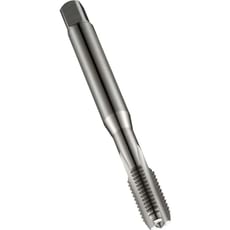
Dormer Pramet represents one of the most respected names in precision cutting tools, with a heritage spanning over a century in manufacturing exceptional quality taps and dies. The Dormer range available at Tooled-Up.com encompasses a comprehensive selection of threading solutions designed for professional tradespeople, engineering workshops, and serious DIY enthusiasts who demand reliability and precision in their metalworking operations. From hand taps and machine taps to circular dies and die nuts, Dormer's threading tools are engineered to deliver consistent performance across a wide range of materials including steel, stainless steel, aluminium, and cast iron.
What distinguishes Dormer taps and dies from competing brands is their unwavering commitment to manufacturing excellence and rigorous quality control processes. Each tap and die is manufactured using premium grade high-speed steel (HSS) or cobalt steel alloys, ensuring exceptional wear resistance and extended tool life even under demanding industrial applications. Dormer's precision grinding techniques produce cutting edges that maintain their sharpness throughout prolonged use, whilst their carefully engineered flute designs facilitate efficient chip evacuation and reduce the risk of tap breakage—a common frustration when using inferior threading tools.
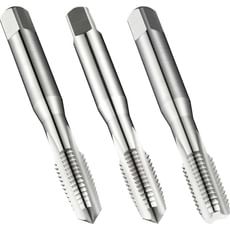
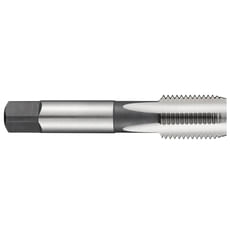
The Dormer taps and dies collection at Tooled-Up features both metric and imperial threading options, accommodating the diverse requirements of modern engineering and maintenance work. Whether working on automotive repairs, fabrication projects, machinery maintenance, or plumbing installations, professionals trust Dormer's threading tools to create clean, accurate threads that meet exacting specifications. The range includes taper, second, and plug (bottoming) taps for different threading depths, alongside adjustable dies and solid button dies that provide versatility for thread cutting and repair applications.
Why Choose Dormer Taps & Dies?
Dormer has earned its reputation through decades of supplying threading tools to aerospace, automotive, and precision engineering industries where failure simply isn't an option. The brand's commitment to metallurgical excellence means their taps and dies consistently outperform budget alternatives in both longevity and cut quality. Professional tradespeople appreciate that whilst Dormer products command a premium price point, the investment is justified through reduced tool breakage, fewer rejected threads, and significantly longer service life compared to economy brands.
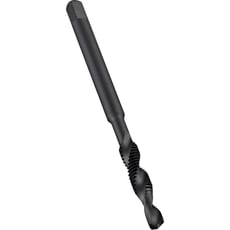
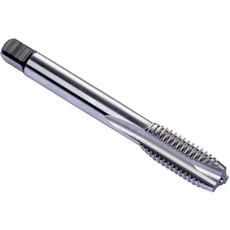
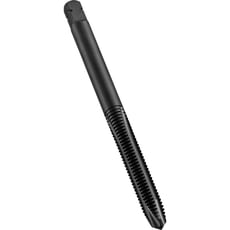
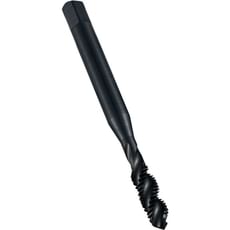
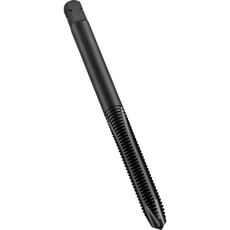
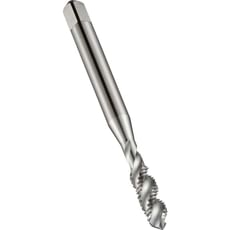
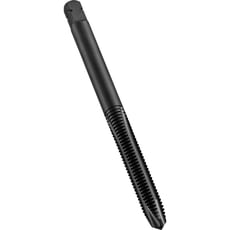
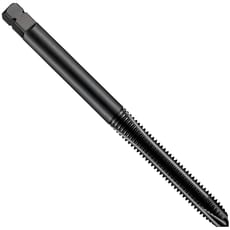
Another compelling reason to choose Dormer is their extensive research and development into cutting tool geometry and coating technologies. Many Dormer taps feature advanced surface treatments such as steam tempering (which produces a distinctive black oxide finish) or bright finishing, both of which enhance lubricity and corrosion resistance. Their spiral point taps are particularly valued for through-hole applications, as the spiral geometry pushes chips forward rather than clogging the flutes—a design innovation that dramatically reduces tap breakage and improves thread quality.
Dormer's quality assurance processes ensure every tap and die meets strict dimensional tolerances, which is critical when working to engineering drawings or maintaining compatibility with standardised fasteners. This consistency means professionals can rely on Dormer threading tools to produce accurate threads that properly engage with bolts, screws, and threaded components without cross-threading or excessive play. For workshops managing quality certifications or working to ISO standards, Dormer provides the traceability and reliability that audit processes demand.
Who Uses Dormer Taps & Dies?
Dormer taps and dies are the preferred choice for a diverse range of professionals and skilled tradespeople, including:
- Mechanical Engineers working in precision engineering, tool making, and general machining environments
- Maintenance Fitters responsible for plant machinery, production equipment, and industrial installations
- Automotive Technicians performing engine rebuilds, gearbox repairs, and chassis restoration work
- Agricultural Mechanics maintaining and repairing farm machinery and equipment
- Fabricators and Welders creating threaded connections in structural steelwork and custom fabrications
- Plumbers and Heating Engineers cutting threads on pipework and installing threaded fittings
- Electricians working with threaded conduit systems and electrical enclosures
- Model Engineers and skilled hobbyists pursuing precision metalworking projects
- Apprentices and Training Centres teaching proper threading techniques with reliable, forgiving tools
Key Features of Dormer Taps & Dies
Dormer taps and dies incorporate numerous technical features that contribute to their superior performance and reliability. Their precision ground cutting edges maintain consistent geometry across the entire cutting length, ensuring uniform thread form and reducing cutting torque. The carefully calculated rake angles on Dormer taps optimise chip formation and evacuation, whilst their chamfer designs are engineered to balance cutting efficiency with tap strength—minimising both cutting effort and breakage risk.
Material selection represents another cornerstone of Dormer's quality proposition. The brand utilises premium alloy tool steels that undergo precisely controlled heat treatment processes, achieving optimal hardness levels that resist wear whilst maintaining sufficient toughness to withstand the torsional stresses inherent in threading operations. Many Dormer taps feature interrupted thread designs that reduce cutting forces and improve lubrication distribution, particularly beneficial when working with difficult materials like stainless steel or high-tensile alloys.
Dormer's attention to surface finishing also deserves recognition. Their steam-tempered taps exhibit improved corrosion resistance and enhanced lubricity, reducing friction during cutting and extending tool life. The distinctive finish also serves as a visual quality marker, instantly identifying genuine Dormer products. For dies, Dormer employs precision forming techniques that ensure the cutting teeth maintain perfect concentricity and uniform spacing, producing accurately formed threads with excellent surface finish.
Popular Dormer Taps & Dies
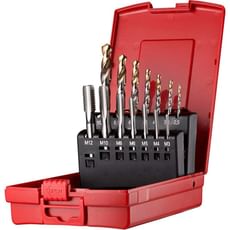
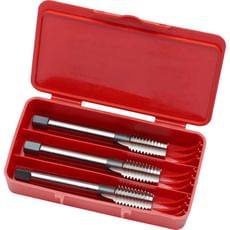
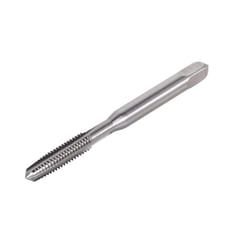
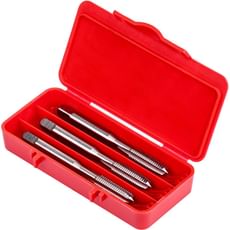
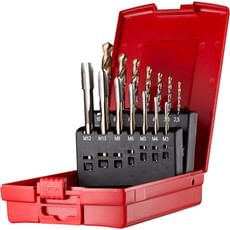
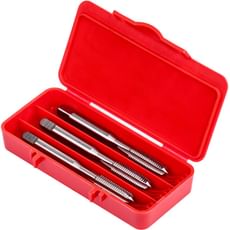
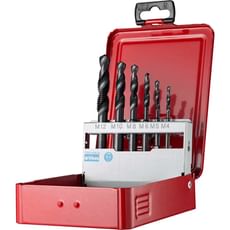
Within the Dormer threading tool portfolio, several product types stand out as workshop essentials. Hand tap sets in both metric and imperial sizes remain perennial favourites, providing the three-piece taper, second, and plug configuration that enables complete threading from pilot hole to full depth. These sets typically cover the most commonly encountered thread sizes in maintenance and fabrication work, from M3 through M12 in metric, and from 4BA through 1/2" BSW in imperial threads.
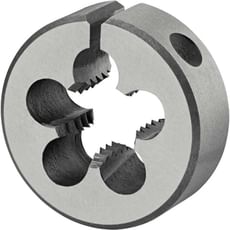
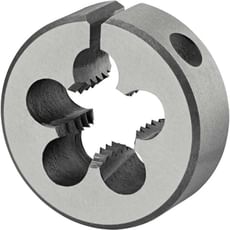
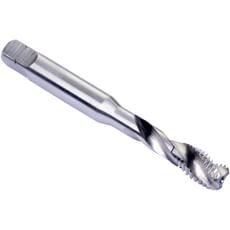
Spiral point machine taps represent another popular choice, particularly for CNC machining centres and production environments where through-hole threading is routine. The spiral point geometry eliminates chip clogging issues that plague straight-fluted taps, enabling faster cutting speeds and extended tool life. Dormer's adjustable round dies also enjoy widespread popularity, as their split design allows minor thread diameter adjustment to compensate for wear or to create slightly loose or tight thread fits as applications demand.
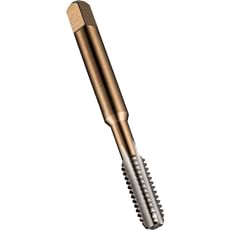
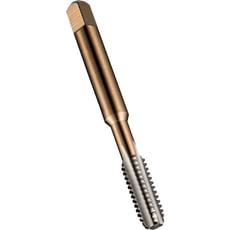
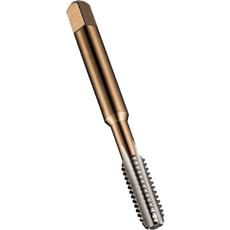
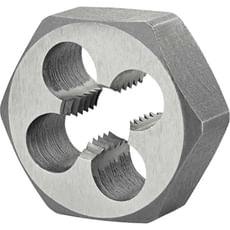
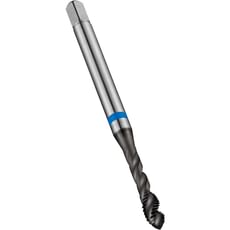
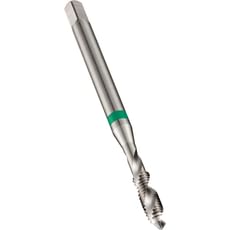
For specialist applications, Tooled-Up stocks Dormer's range of bottoming taps for blind hole threading, spiral flute taps for difficult materials, and cobalt steel taps that withstand the extreme temperatures generated when threading stainless steel and high-tensile alloys. Thread repair sets and oversize taps provide solutions for salvaging damaged threads, whilst Dormer's die nuts offer quick thread-chasing capabilities for cleaning up corroded or damaged external threads without requiring die stocks.
Safety and Compliance
When using Dormer taps and dies, proper safety practices are essential to prevent injury and ensure optimal results. Always secure workpieces firmly in vices or fixtures before commencing threading operations—movement during cutting can cause tap breakage and potential hand injuries from sharp edges. Eye protection is mandatory, as metal chips produced during threading can cause serious eye injuries. Use appropriate cutting fluids to reduce friction and heat buildup; this not only extends tool life but also prevents workpiece hardening that can lead to tap breakage.
Apply cutting force smoothly and progressively, avoiding sudden jerking motions that stress the tap. When hand tapping, maintain the tap square to the workpiece throughout the operation—misalignment causes bell-mouthed threads and dramatically increases breakage risk. Follow the recommended technique of advancing approximately half a turn, then reversing a quarter turn to break chips, particularly when working with ductile materials that produce continuous swarf. For machine tapping operations, ensure correct speeds and feeds are programmed according to material type and tap diameter.
Proper storage of Dormer taps and dies preserves their precision and prevents damage. Store threading tools in dedicated organisers or cases that prevent contact damage to cutting edges. Keep tools clean and lightly oiled to prevent corrosion, particularly important for taps which can seize in storage boxes if contaminated with cutting fluid residues. Regularly inspect taps and dies for wear or damage—continuing to use worn threading tools produces substandard threads and increases the likelihood of tool failure.
Frequently Asked Questions
What's the difference between HSS and cobalt Dormer taps?
Dormer's standard HSS (high-speed steel) taps suit most general threading applications in mild steel, aluminium, and cast iron. Cobalt steel taps contain additional cobalt alloying which significantly increases hot hardness and wear resistance, making them essential for threading stainless steel, high-tensile alloys, and other difficult materials that generate substantial heat during cutting. Whilst cobalt taps cost more, they're invaluable for specialist applications where standard HSS taps would quickly dull or fail.
How do I choose between taper, second, and plug taps?
Taper taps feature a gradual lead chamfer spanning 7-10 threads, making them ideal for starting threads and for through-hole applications. Second taps have a shorter 3-5 thread chamfer, used for extending threads deeper into holes. Plug (bottoming) taps have minimal chamfer (1-2 threads) and are specifically designed for threading to the bottom of blind holes. For most applications, start with a taper tap, then follow with a plug tap if threading close to the hole bottom.
Can Dormer dies be resharpened when they become dull?
Circular dies can theoretically be resharpened by specialists with appropriate grinding equipment, but the process requires precise machinery to maintain correct thread form and concentricity. For most users, the cost of professional resharpening approaches the replacement cost of new dies. Adjustable dies offer extended service life as their split design allows the cutting diameter to be slightly reduced to compensate for wear on the cutting faces, effectively providing multiple "lives" from a single die.
Why do my taps keep breaking, even with Dormer quality tools?
Tap breakage typically results from operational factors rather than tool quality. Common causes include: insufficient or incorrect cutting fluid; excessive cutting speed or force; misalignment between tap and hole; undersized pilot holes; failure to reverse periodically to break chips; and continuing to use worn taps. Ensure pilot hole diameter matches recommendations (typically 85% of major thread diameter), maintain proper alignment throughout cutting, use appropriate lubricants, and employ the advance-and-reverse technique to manage chip formation.
Are Dormer taps suitable for both hand and machine threading operations?
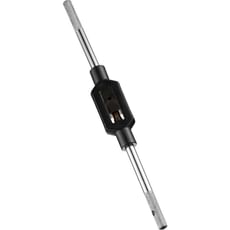
Dormer manufactures both hand taps and machine taps, though many taps work acceptably in both applications. Hand taps typically feature square shanks for use with tap wrenches, whilst machine taps have straight shanks for collet or chuck mounting. Spiral point and spiral flute taps are optimised for machine use with specific cutting geometries that suit powered threading. For CNC and production machining, always specify machine taps designed for powered operation, as they incorporate features like through-coolant capability and optimised chamfer geometries that hand taps lack.