
Dormer Engineering Tools

Loading...
End of content
Error - No more pages to load
Dormer Engineering Tools at Tooled-Up.com
Dormer Engineering Tools cover the cutting, threading and finishing jobs that come up in every machine shop and fabrication workshop. The selection is organised into three areas: Hand Reamers for finishing holes to size, Milling Tools for shaping and slotting, and Taps & Dies for cutting internal and external threads.
Each type is made for a specific job. Reamers bring a drilled hole to a precise diameter and a smooth finish. Milling tools remove material accurately on mills and machining centres. Taps and dies produce threads to standard profiles, so fasteners fit and hold properly.
Browse the Dormer selection at Tooled-Up.com to match the right tool to your material, hole type and machine.
Key Features of Dormer Engineering Tools
- High-speed steel and cobalt grades: HSS suits general work in mild steel and aluminium. Cobalt grades hold their edge at higher temperatures, which helps in stainless steel and tougher alloys.
- Ground cutting edges: Accurately ground flutes and edges give clean cuts, better hole quality and a more consistent finish.
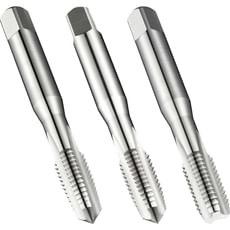
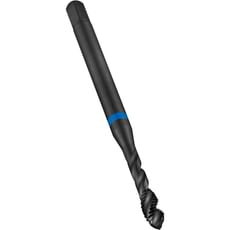
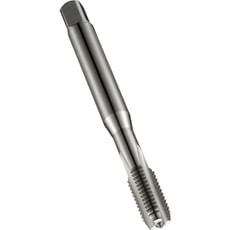
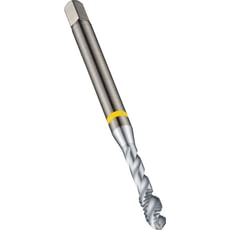
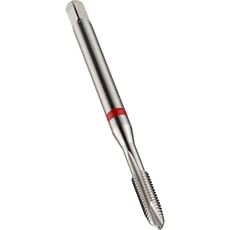
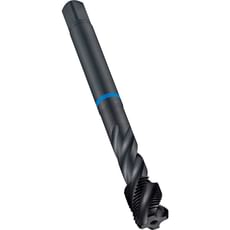
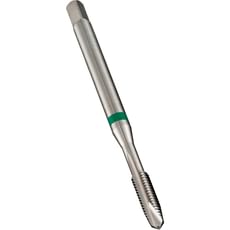
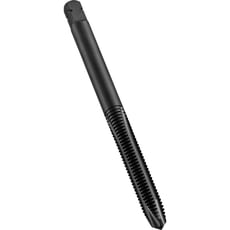
- Different tap forms: Spiral point taps push chips forward for through holes. Spiral flute taps draw chips back out of blind holes. This reduces clogging and the risk of breakage.
- Standard thread profiles: Taps and dies are available in metric and imperial threads, so they fit common fasteners and existing components.
- Surface treatments and coatings: Steam tempering and coatings reduce friction and chip welding. This extends tool life when working harder or stickier materials.
- Straight and helical flutes: Hand reamers come in flute styles suited to different materials, including holes with keyways or interruptions.
Who Uses Dormer Engineering Tools?
These tools suit anyone who needs accurate holes, threads and machined features:
- Machinists and toolmakers: for precise reaming, milling and threading on manual and CNC machines.
- Maintenance engineers: for repairing damaged threads, resizing holes and making replacement parts.
- Steel fabricators and welders: for tapping brackets, plate and structural sections.
- Automotive and agricultural engineers: for thread repair and fitting work on engines, chassis and machinery.
- Apprentices and training workshops: for hard-wearing tools that teach good technique.
Popular Dormer Engineering Tools
Hand Reamers
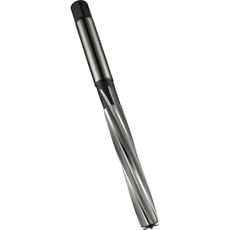
Dormer hand reamers finish drilled holes to a precise size and a smooth surface. They suit dowel fits, bearing seats and any hole where a drill alone isn't accurate enough. Turn them slowly and steadily with a tap wrench, using cutting fluid.
Milling Tools
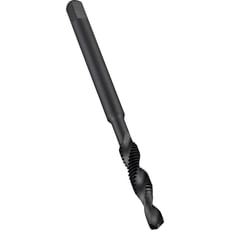
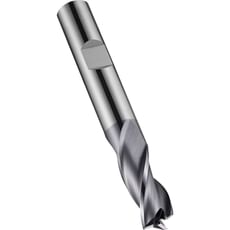
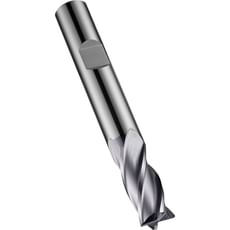
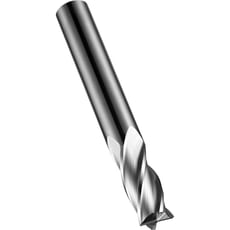
The milling tools cover slotting, profiling and light material removal. Choose them according to the material, the cut and the rigidity of your machine.
Taps & Dies
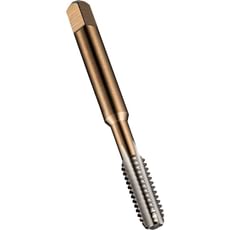
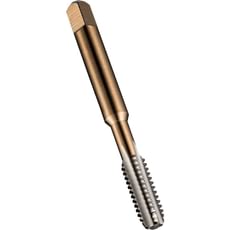
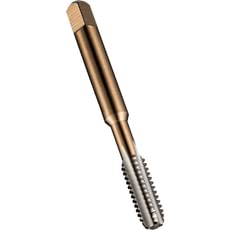
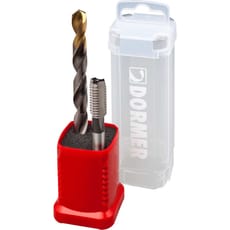
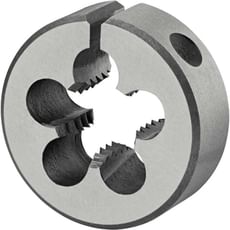
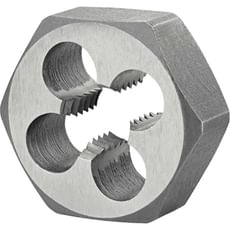
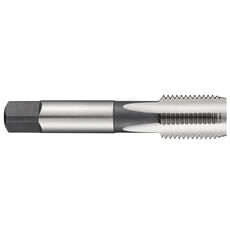
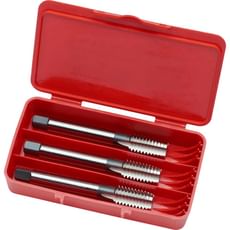
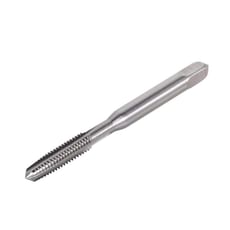
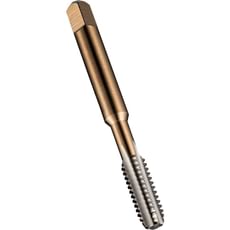
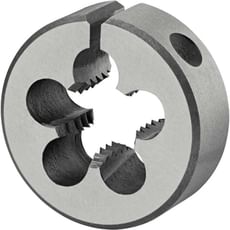
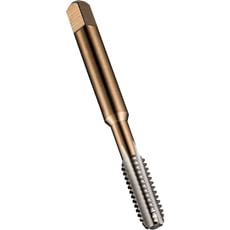
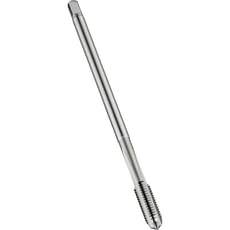
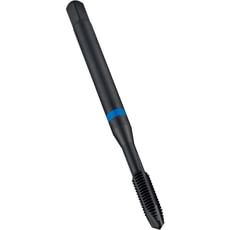
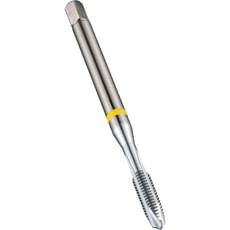
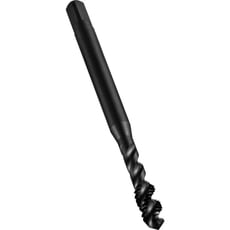
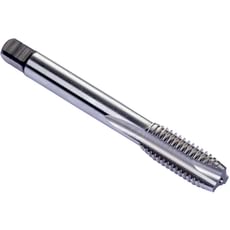
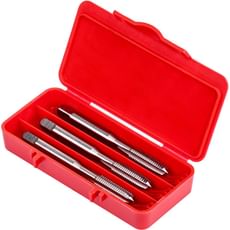
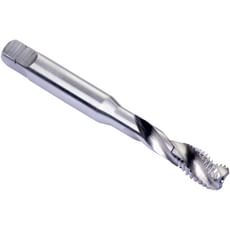
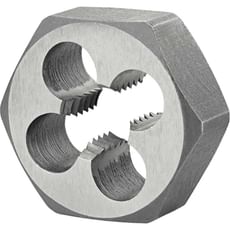
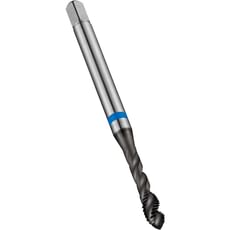
Taps cut internal threads and dies cut external ones. The Tooled-Up Dormer range includes hand and machine taps in different flute styles, so you can pick the right form for a through hole, a blind hole or a tougher material such as stainless steel.
Frequently Asked Questions
What is the difference between a spiral point tap and a spiral flute tap?
A spiral point tap pushes chips ahead of the tool, so it is best for through holes. A spiral flute tap pulls chips back up the flutes, so it suits blind holes where chips would otherwise pack at the bottom.
When should I use a reamer instead of a drill?
Use a reamer when the hole needs a tighter tolerance or a better finish than drilling gives. Drill slightly undersize, then ream. This removes a small, even amount of material.
Why do taps break in stainless steel?
Stainless steel work-hardens and galls easily. Use the correct tapping drill size, plenty of suitable cutting fluid and a slow, steady speed. Back the tap off regularly to break the chips. Cobalt or coated taps also help.
How do I choose between HSS and cobalt?
HSS is fine for mild steel, aluminium and general workshop jobs. Cobalt copes better with heat, so it is the better choice for stainless steel, cast iron and other tougher materials.