

Draper Line Pins
 Loading...
End of content
Error - No more pages to load
Draper Line Pins at Tooled-Up.com
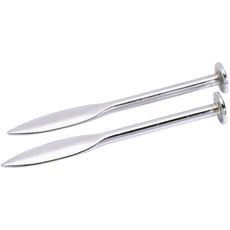
Draper Tools has built a formidable reputation for delivering reliable, precision-engineered hand tools to the UK construction and trades sector, and their line pins are no exception. Designed specifically for use with bricklaying lines, Draper line pins provide the essential anchor points that enable tradespeople to maintain perfectly straight, level courses when laying bricks, blocks, and stonework. These deceptively simple yet critical tools represent Draper's commitment to manufacturing practical, durable equipment that stands up to the rigours of daily site work.
The Draper range available from Tooled-Up.com encompasses various line pin designs tailored to different masonry applications and site conditions. Whether working with traditional cavity walls, solid blockwork, or heritage restoration projects, Draper line pins deliver the stability and precision that professional bricklayers demand. Manufactured from hardened steel with corrosion-resistant finishes, these pins are built to withstand repeated hammering, outdoor exposure, and the demanding conditions typical of UK construction sites.
Tooled-Up stocks Draper line pins that cater to both seasoned tradespeople and dedicated DIY enthusiasts tackling garden walls, patios, and domestic building projects. The brand's focus on practical design means these pins feature effective grip patterns, appropriate point geometries for various mortar types, and robust construction that resists bending even when driven into hard-set mortar joints.
Why Choose Draper Line Pins?
Draper's heritage spans decades of tool manufacturing excellence, with their line pins benefiting from extensive field testing and feedback from working tradespeople. The brand understands that even the most fundamental tools must perform flawlessly—a bent or poorly designed line pin can compromise an entire day's bricklaying work. Draper addresses this through careful material selection, appropriate heat treatment, and quality control processes that ensure consistency across every batch.
Value represents another compelling reason to choose Draper line pins. The brand occupies the sweet spot between budget imports and premium specialist brands, delivering professional-grade performance at prices that make sense for both established contractors managing tool inventories and newcomers building their first comprehensive toolkit. This value proposition doesn't mean compromising on quality; Draper backs their products with solid warranties and maintains rigorous manufacturing standards that meet or exceed industry expectations.
Tradespeople also appreciate Draper's availability throughout the UK through established suppliers like Tooled-Up. This widespread distribution network means replacement pins are readily accessible when tools are lost, damaged, or additional pairs are needed for larger projects. The consistency of Draper's manufacturing also means that replacement pins match existing tools perfectly, maintaining standardisation across a tradesperson's equipment.
Who Uses Draper Line Pins?
- Bricklayers and blocklayers working on residential, commercial, and industrial construction projects
- General builders undertaking groundwork and structural masonry as part of broader construction services
- Landscaping professionals constructing retaining walls, raised beds, and decorative stonework features
- Heritage restoration specialists working on period properties and conservation projects
- Property maintenance contractors performing repairs and alterations to existing masonry
- Self-builders and DIY enthusiasts tackling home improvement and garden construction projects
- Apprentices and trainees learning traditional bricklaying techniques at colleges and training centres
- Agricultural builders constructing farm buildings, boundary walls, and rural structures
Key Features of Draper Line Pins
Draper line pins incorporate several design features that distinguish them from generic alternatives. The hardened steel construction provides the necessary rigidity to resist bending when driven into mortar joints, whilst the carefully engineered point geometry allows smooth penetration without splitting or crumbling the mortar. Many Draper line pins feature knurled or grooved shafts that provide superior grip within the joint, preventing rotation or loosening that could compromise line tension.
The heads of Draper line pins are designed to withstand repeated hammer strikes without mushrooming or deforming—a common failure mode in inferior pins. This durability ensures consistent performance throughout the tool's working life and maintains safety by preventing metal fragments from breaking free during use. The corrosion-resistant finishes applied to Draper pins protect against rust and degradation, particularly important given the exposure to moisture inherent in masonry work.
Length options within the Draper range accommodate different wall thicknesses and construction methods. Shorter pins suit standard cavity wall construction, whilst longer variants provide the reach necessary for thicker walls or situations where pins must be set deeper into joints for additional security. The balanced weight distribution of Draper line pins also makes them easy to position accurately, even when working at height or in awkward positions.
Popular Draper Line Pins
Draper's standard hardened steel line pins represent the most popular choice for general bricklaying applications. These versatile tools suit the majority of residential and commercial projects, offering reliable performance across various mortar types and weather conditions. Their straightforward design makes them equally suitable for professional tradespeople and competent DIYers.
For contractors working predominantly outdoors or in coastal environments where corrosion presents particular challenges, Draper's enhanced corrosion-resistant line pins provide extended service life. The protective finishes on these variants maintain their appearance and functionality even after prolonged exposure to the elements, making them ideal for landscaping professionals and agricultural builders.
Draper also produces line pins in various lengths to suit specific applications. Shorter pins work well for modern cavity wall construction, where the pin only needs to penetrate the inner leaf mortar joint. Longer pins accommodate solid wall construction, heritage work with thicker walls, or situations where additional holding power is required for heavy-duty bricklaying lines under high tension.
Safety and Compliance
Whilst line pins are relatively simple tools, their proper use contributes to overall site safety by enabling accurate, professional masonry work. Draper manufactures their line pins to appropriate quality standards, ensuring the steel composition and heat treatment deliver consistent performance without unexpected failure. Users should inspect pins regularly for signs of damage, particularly mushrooming of the head or bending of the shaft, replacing compromised tools immediately.
When driving line pins into mortar joints, appropriate eye protection should be worn to guard against mortar fragments or, in the unlikely event of tool failure, metal particles. The hammer used should be appropriate for the task—a standard brick hammer or club hammer provides sufficient force without excessive impact that might damage the pin or surrounding masonry. Pins should always be driven into mortar joints rather than bricks or blocks themselves, as this provides proper grip whilst avoiding damage to the masonry units.
Proper storage of Draper line pins extends their working life and maintains safety. Keeping pins in a dry toolbox or storage area prevents corrosion, whilst organised storage prevents the sharp points from causing injury when reaching into tool bags or boxes. When pins are no longer serviceable, they should be disposed of responsibly rather than left on site where they might present hazards to others.
Frequently Asked Questions
What length Draper line pins do I need for standard cavity wall construction?
For typical UK cavity wall construction, Draper line pins between 100mm and 150mm in length are usually sufficient. These provide adequate penetration into the mortar joint of the inner leaf whilst remaining manageable to position and remove. Longer pins may be necessary for thicker walls or where additional holding power is required for heavier gauge lines.
How do Draper line pins compare to profile clamps for bricklaying?
Draper line pins and profile clamps serve similar purposes but suit different situations. Line pins are simpler, more affordable, and work well for straight runs and experienced bricklayers who can gauge by eye. Profile clamps provide more adjustability and built-in spirit levels, making them advantageous for complex layouts or less experienced users. Many professionals use both depending on the specific job requirements.
Can Draper line pins be reused after a project is completed?
Absolutely. Draper line pins are designed for repeated use across multiple projects. After use, simply clean off any adhered mortar whilst it's still relatively fresh, inspect for damage, and store in a dry location. With proper care, quality Draper line pins can provide years of reliable service across countless bricklaying projects.
What's the best way to remove Draper line pins without damaging the mortar joint?
The easiest removal method involves gently twisting the pin whilst applying outward pressure, which breaks the friction bond with the mortar without causing significant damage. If mortar has fully set around the pin, light taps alternating the angle can help loosen it. Avoid excessive force that might pull out chunks of mortar or bend the pin. Removing pins before mortar fully cures makes extraction considerably easier.
Are Draper line pins suitable for use with both natural fibre and synthetic bricklaying lines?
Yes, Draper line pins work effectively with all common bricklaying line materials, including traditional cotton or hemp lines and modern synthetic alternatives. The key is ensuring the pin head design accommodates your preferred line attachment method, whether that's wrapping, tying, or using lines with pre-formed loops. Most Draper line pins feature heads that work well with various line types and attachment techniques.