

Draper Squares & Bevels
 Loading...
End of content
Error - No more pages to load
Draper Squares & Bevels at Tooled-Up.com
Draper Tools has built a formidable reputation across the UK for producing reliable, precision measuring and marking equipment that tradespeople and serious DIY enthusiasts depend on daily. The Draper Squares & Bevels range exemplifies the brand's commitment to accuracy and durability, offering an extensive selection of engineer's squares, try squares, combination squares, sliding bevels, and specialist angle-measuring tools. Each instrument in this collection is manufactured to exacting standards, ensuring that carpenters, joiners, metalworkers, and engineers can achieve the precise measurements and perfect right angles that quality workmanship demands.
From traditional hardened steel try squares with etched graduations to modern combination squares featuring multiple measuring functions, Draper's portfolio covers every precision marking requirement. The range includes compact pocket-sized squares for quick checks on site, through to large engineer's squares for workshop fabrication and quality control applications. Tooled-Up.com stocks Draper's comprehensive selection of these essential layout tools, providing tradespeople with access to measurement instruments that combine traditional craftsmanship with contemporary manufacturing precision.
Whether you're setting out timber frames, checking machinery alignment, or transferring angles in fine joinery work, Draper Squares & Bevels deliver the consistent accuracy that professional results require. The brand's attention to blade flatness, edge straightness, and graduations clarity ensures these tools remain dependable reference standards throughout years of workshop and site use.
Why Choose Draper Squares & Bevels?
Draper's heritage in precision measurement tools spans decades, during which the brand has refined its manufacturing processes to deliver exceptional value without compromising on accuracy. The squares and bevels in this range undergo rigorous quality control, with blades machined flat and edges ground straight to ensure true 90-degree and 45-degree references. Unlike cheaper alternatives that quickly lose accuracy through wear or distortion, Draper squares maintain their precision through professional-level use, making them a sound investment for any toolbox.
The materials selection across the Draper range reflects the brand's understanding of workshop realities. Hardened and tempered steel blades resist damage from accidental impacts, whilst satin chrome or lacquered finishes prevent corrosion in damp site conditions. Graduations are deeply etched or permanently marked rather than simply printed, ensuring measurement scales remain legible even after years of service. Handles and stocks are manufactured from stable materials that won't warp or swell, maintaining the tool's accuracy regardless of environmental conditions.
Value represents another compelling reason to choose Draper for squares and bevels. The brand occupies that sweet spot between budget imports and premium specialist manufacturers, delivering professional-grade accuracy at prices that won't strain project budgets. For tradespeople who need multiple squares in different sizes, or workshops equipping apprentices, Draper offers genuine precision measurement capability with excellent cost-effectiveness.
Who Uses Draper Squares & Bevels?
- Carpenters and Joiners: Essential for checking timber squareness, marking cut lines, and setting up machinery for accurate joinery work
- Metalworkers and Engineers: Critical for layout work, checking machined surfaces, and verifying component squareness during fabrication
- Shopfitters and Cabinet Makers: Indispensable for precise marking out and quality control in fine woodworking applications
- Builders and Construction Workers: Vital for setting out frames, checking masonry work, and ensuring structural elements are square and plumb
- Vehicle Technicians: Useful for fabrication work, checking frame alignment, and custom modification projects
- Educational Institutions: Workshops and training centres value Draper's combination of accuracy and affordability for equipping students
- Serious DIY Enthusiasts: Home workshop users who demand professional accuracy for furniture making and renovation projects
Key Features of Draper Squares & Bevels
Draper engineer's squares feature precision-ground blades manufactured from hardened steel, offering exceptional flatness and edge straightness for accurate reference surfaces. The blades incorporate deeply etched metric and imperial graduations that remain legible throughout the tool's working life, whilst bevelled edges facilitate precise marking and scribing operations. Many models include stock designs that allow the square to sit securely against workpieces without rocking, improving measurement reliability.
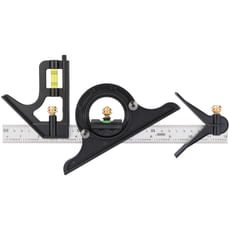
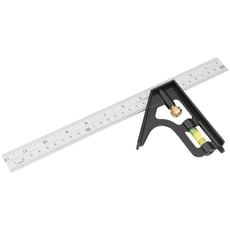
The combination squares in the Draper range provide remarkable versatility, integrating multiple functions within a single tool. These instruments typically feature a sliding head containing both 90-degree and 45-degree reference surfaces, along with a spirit level for checking horizontal and vertical alignment. The graduated ruler blade enables direct measurement whilst also serving as a depth gauge and marking guide. Quality locking mechanisms ensure the head remains securely positioned during use, preventing measurement errors from unwanted movement.
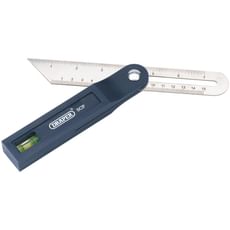
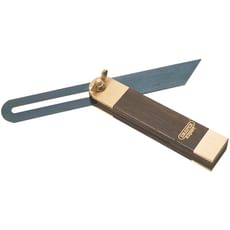
Draper sliding bevels excel at transferring and replicating angles in joinery and fabrication work. The adjustable blade locks securely at any angle through robust wing-nut or lever mechanisms, whilst hardened steel construction ensures edges remain sharp and true for accurate marking. Rosewood or composite handles provide comfortable grip and resist warping, maintaining the tool's precision through varying workshop conditions. The compact designs allow access into restricted spaces where larger angle-measuring instruments cannot reach.
Popular Draper Squares & Bevels
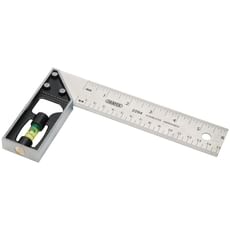
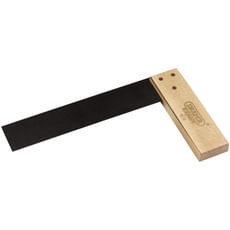
Try squares represent the most traditional format available from Tooled-Up, with Draper offering various sizes to suit different applications. These classic tools feature fixed 90-degree angles in compact formats ideal for checking timber squareness, setting saw fences, and quick marking operations. Available in blade lengths from 150mm through to 300mm, they cater for both fine cabinet work and larger carpentry tasks.
Engineer's squares provide the ultimate precision for metalworking and engineering applications, manufactured to tighter tolerances than standard try squares. Draper's engineer's squares feature hardened blades with precision-ground faces, suitable for quality control, machine setup, and fabrication layout work where accuracy is paramount. These tools are essential for workshops undertaking precision manufacturing or restoration of machinery and vehicles.
Combination squares offer exceptional versatility for tradespeople who appreciate multi-functional tools. The Draper range includes models with cast iron heads incorporating spirit levels, allowing simultaneous checking of squareness and levelness. The sliding ruler design enables these tools to function as depth gauges, height gauges, and marking guides alongside their primary squareness-checking role, reducing the number of separate instruments required on site or in the workshop.
Sliding bevels from Draper provide essential angle-transfer capability for joinery work involving compound mitres, roof pitches, and irregular angles. Available in various blade lengths, these adjustable tools lock securely at any angle, allowing accurate replication of existing angles or setting predetermined bevels for consistent cuts across multiple workpieces.
Safety and Compliance
Whilst squares and bevels are hand tools without inherent safety hazards, proper usage ensures optimal accuracy and tool longevity. Always store these precision instruments separately from general tools to prevent blade damage from impacts that could compromise accuracy. Avoid using squares as hammering aids or levers, as such misuse can distort the carefully manufactured right angles and render the tool unreliable.
Regular verification of square accuracy is recommended, particularly for tools used in quality-critical applications. Check squares against known reference surfaces or use the flip-test method where the square is used to mark a line, then flipped to check if the blade still aligns with the marked line. Any discrepancy indicates the square has lost accuracy and requires replacement. Store squares in dry conditions to prevent corrosion that might affect graduated scale legibility or blade flatness.
When using combination squares or sliding bevels, ensure locking mechanisms are fully tightened before marking operations commence. Loose settings can shift during use, introducing errors into layout work that may only become apparent during assembly or fitting. Always handle these precision instruments with care, protecting blades and reference edges from damage that could compromise their accuracy and usefulness.
Frequently Asked Questions
What's the difference between a try square and an engineer's square in the Draper range?
Try squares are designed primarily for woodworking applications and are manufactured to woodworking tolerances, typically featuring wooden or composite stocks. Engineer's squares are precision instruments manufactured to tighter tolerances with all-steel construction, ground flat and square for metalworking, machine setup, and quality control applications where maximum accuracy is essential. Draper engineer's squares cost more but deliver superior precision for engineering tasks.
How do I verify that my Draper square is still accurate?
Use the flip-test method: place the square against a straight edge and mark a line along the blade. Flip the square over so the blade is on the opposite side of the marked line and check if it still aligns perfectly. Any gap indicates the square is no longer true. Alternatively, check against a known precision reference surface or compare multiple squares against each other to identify any that have lost accuracy.
Can Draper combination squares be used for metalworking as well as carpentry?
Yes, Draper combination squares are suitable for both applications, though they're manufactured to general-purpose tolerances rather than the tighter specifications of dedicated engineer's squares. They're ideal for layout work, checking squareness, and marking operations in both woodworking and light metalworking. For precision engineering or quality control work requiring maximum accuracy, a dedicated Draper engineer's square would be more appropriate.
What size square should I choose for general carpentry work?
A 250mm or 300mm try square or combination square represents the most versatile choice for general carpentry, providing sufficient blade length to check common timber widths whilst remaining compact enough for comfortable handling. Many carpenters carry both a larger square for primary layout work and a smaller 150mm square for tight spaces and quick checks. The Draper range offers various sizes to suit different requirements and budgets.
How should I maintain my Draper squares and bevels to ensure longevity?
Store precision measuring tools separately from general hand tools to prevent impact damage. Keep blades clean and lightly oiled to prevent corrosion, particularly if working in damp conditions. Avoid dropping squares or using them as hammering aids, as impacts can distort the carefully manufactured angles. Check locking mechanisms on combination squares and sliding bevels periodically, ensuring they hold settings securely without excessive force. With proper care, Draper squares and bevels will provide decades of accurate service.