

Facom Precision Measuring
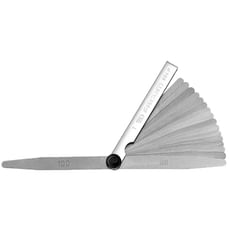
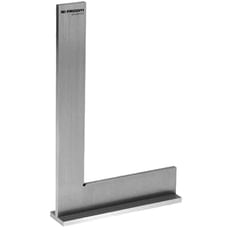
 Loading...
End of content
Error - No more pages to load
Facom Precision Measuring at Tooled-Up.com
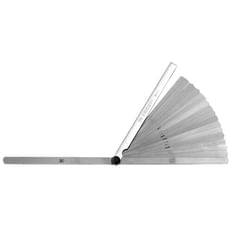
Facom has earned its reputation as one of the most trusted names in professional precision measuring tools, combining French engineering excellence with decades of innovation in metrology. The Facom Precision Measuring range available from Tooled-Up.com represents the gold standard for tradespeople and engineers who demand absolute accuracy in their measurements. From micrometres and vernier calipers to dial gauges and spirit levels, Facom's precision tools deliver the accuracy and reliability that professional work demands.
What sets Facom apart in the precision measuring market is their unwavering commitment to manufacturing standards and quality control. Each precision measuring instrument undergoes rigorous testing and calibration before leaving the factory, ensuring that professionals can rely on accurate readings time after time. Whether you're a machinist checking tolerances to within microns, an automotive technician setting bearing clearances, or a toolmaker verifying dimensions, Facom precision measuring tools provide the confidence that comes from using instruments trusted by professionals worldwide.
The Tooled-Up Facom range encompasses everything from entry-level digital calipers perfect for apprentices and DIY enthusiasts, through to advanced measuring systems used in quality control laboratories and precision engineering workshops. Facom's reputation for producing measuring tools that maintain their accuracy even under demanding workshop conditions makes them the preferred choice for professionals who cannot afford measurement errors.
Why Choose Facom Precision Measuring?
Facom precision measuring tools stand out in a crowded marketplace thanks to their exceptional build quality and long-term accuracy retention. Unlike cheaper alternatives that can lose calibration quickly, Facom instruments are manufactured to exacting standards using premium materials such as hardened stainless steel, ensuring they resist wear and maintain accuracy throughout their working life. The brand's French manufacturing heritage brings a level of precision engineering that's immediately apparent when handling their products.
Professional tradespeople choose Facom because their precision measuring tools offer outstanding readability and ease of use, even in challenging workshop environments. Features such as large, clearly marked scales, smooth action mechanisms, and robust construction mean that measurements can be taken quickly and confidently. Many Facom precision tools incorporate advanced features like data output capabilities, allowing measurements to be recorded directly into quality control systems. The brand's commitment to ergonomic design ensures that even after hours of repetitive measuring tasks, their tools remain comfortable to use, reducing operator fatigue and maintaining measurement consistency.
Who Uses Facom Precision Measuring?
- Precision Engineers and Machinists - For checking tolerances and verifying component dimensions in manufacturing environments
- Automotive Technicians - Essential for engine building, setting clearances, and diagnostic work requiring accurate measurements
- Toolmakers and Die Makers - Professionals who require micron-level accuracy in their daily work
- Quality Control Inspectors - For verifying manufactured components meet specification requirements
- Fabricators and Welders - Ensuring accurate measurements for metalwork and structural fabrication
- Maintenance Engineers - For checking wear, alignment, and component specifications during servicing
- Apprentices and Technical Students - Learning proper measuring techniques with professional-grade instruments
- Model Engineers and Hobbyists - Enthusiasts who demand professional accuracy for their projects
Key Features of Facom Precision Measuring
Facom precision measuring instruments incorporate numerous features that distinguish them from standard measuring tools. Their digital calipers and micrometres often feature high-resolution LCD displays that remain readable in various lighting conditions, with some models offering IP54 or IP67 protection ratings against dust and moisture ingress. The brand's mechanical measuring tools utilise precision-ground measuring faces with lapped finishes, ensuring consistent contact and accurate readings across the full measuring range.
Advanced Facom measuring instruments include features such as absolute positioning systems, eliminating the need to reset zero after battery changes, and data output ports compatible with statistical process control systems. The brand's spirit levels and angle measuring tools incorporate magnified vial systems and electronic sensors that provide both visual and audible feedback. Facom's commitment to traceability means their precision tools can be supplied with calibration certificates traceable to national standards, essential for ISO-certified workshops and quality-controlled manufacturing environments.
Durability is engineered into every Facom precision measuring tool, with hardened components, robust cases, and protective features that extend instrument life. Carbide-tipped measuring faces on frequently-used tools resist wear, whilst carefully designed storage cases protect instruments from impact damage and contamination when not in use.
Popular Facom Precision Measuring
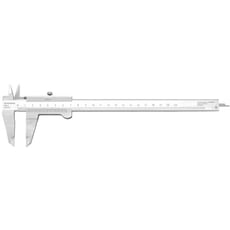
The Facom precision measuring portfolio spans numerous instrument types, each designed for specific measuring applications. Digital vernier calipers remain amongst the most versatile tools, offering measurements of external dimensions, internal dimensions, depths, and step heights with resolution typically to 0.01mm. Facom's range includes models from 150mm through to 300mm capacity, catering for various measuring requirements.
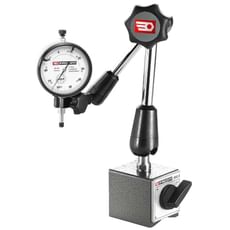
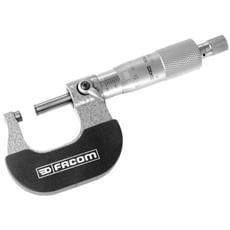
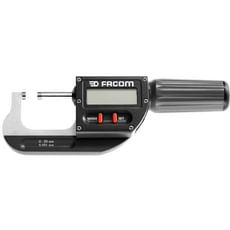
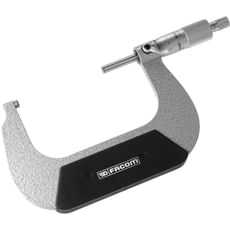
Micrometres represent another cornerstone of the Facom precision range, with external micrometres, internal micrometres, and depth micrometres all available in various size ranges. These instruments provide the ultimate accuracy for critical measurements, with resolution to 0.001mm on digital models. Dial gauges and magnetic stands from Facom are essential for comparing measurements and checking component run-out or surface variations. The brand's spirit levels and angle measuring tools combine traditional craftsmanship with modern features like digital displays and electronic angle sensors, perfect for setting up machinery or verifying alignment. Height gauges, depth gauges, and bore gauges round out the range, ensuring that whatever precision measuring task you face, Tooled-Up stocks the Facom solution.
Safety and Compliance
Whilst precision measuring tools don't typically present the same hazards as powered equipment, proper use and handling remain important for both safety and measurement accuracy. Facom precision instruments should be handled carefully to avoid dropping or impact damage, which can affect calibration and accuracy. Measuring faces should be kept clean and free from burrs or damage, and tools should be stored in their protective cases when not in use to prevent contamination or accidental damage.
For workshops operating under ISO 9001 or similar quality management systems, Facom precision measuring tools can be supplied with calibration certificates traceable to UKAS or equivalent national measurement standards. Regular calibration verification is recommended for critical measuring instruments, with frequency dependent on usage intensity and accuracy requirements. Battery-powered digital measuring instruments should be maintained with fresh batteries to ensure reliable operation, and care should be taken when working near machinery to prevent accidents whilst taking measurements.
Frequently Asked Questions
How often should Facom precision measuring tools be calibrated?
Calibration frequency depends on usage intensity and accuracy requirements. For tools used daily in precision engineering, annual calibration is typical, whilst occasionally-used instruments may only require calibration every two to three years. ISO-certified facilities should follow their documented calibration schedules. Facom precision tools maintain their accuracy well between calibrations when properly stored and handled.
Can Facom digital measuring instruments be used in dusty or damp workshop conditions?
Many Facom digital measuring tools feature IP54 or higher protection ratings, providing good resistance to dust and moisture ingress. However, precision measuring instruments perform best in clean, dry conditions. Always wipe measuring faces clean before use, and store instruments in their protective cases when not in use. Avoid exposing digital instruments to excessive moisture or contaminants that could affect their operation or accuracy.
What's the difference between Facom digital and analogue precision measuring tools?
Digital measuring tools offer easy-to-read displays, data output capabilities, and features like absolute positioning and zero-setting at any position. Analogue instruments (vernier scales, dial gauges) require no batteries, are often more robust in harsh environments, and can be easier to observe for dynamic measurements. Both types from Facom deliver excellent accuracy, with choice depending on application requirements and personal preference.
Are Facom precision measuring tools suitable for metric and imperial measurements?
Most Facom digital precision measuring instruments offer switchable metric and imperial displays, making them versatile for various applications. However, as a French brand primarily serving European markets, Facom's mechanical instruments typically feature metric scales. The Facom range at Tooled-Up primarily focuses on metric measuring tools, reflecting UK engineering practice where metric dimensions predominate.
How should I maintain my Facom precision measuring tools?
Clean measuring faces with a soft cloth after each use, removing any metal particles or coolant residue. Apply a light film of protective oil to steel surfaces if instruments won't be used for extended periods. Store tools in their protective cases in a stable temperature environment. Avoid dropping or impacting precision instruments, as this can affect calibration. For battery-powered digital tools, remove batteries if storing for long periods to prevent corrosion from battery leakage.