

Faithfull Wrecking Bars

 Loading...
End of content
Error - No more pages to load
Faithfull Wrecking Bars at Tooled-Up.com
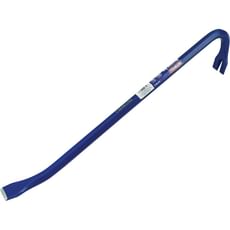
Faithfull has established itself as a trusted name in the professional hand tool market, and their range of wrecking bars exemplifies the brand's commitment to manufacturing robust, reliable demolition and leverage tools. Designed to withstand the toughest site conditions, Faithfull wrecking bars combine traditional forged steel construction with ergonomic design principles to deliver tools that professionals and serious DIY enthusiasts can depend on day after day.
Built from high-quality drop-forged carbon steel and heat-treated for maximum strength, Faithfull wrecking bars are engineered to handle the demanding tasks of demolition work, timber framing, crate opening, and general prying applications. The range available from Tooled-Up includes various lengths and profiles to suit different applications, from compact models for confined spaces to heavy-duty bars for substantial leverage requirements. Each tool features carefully designed nail slots and chisel ends that provide versatility across multiple demolition and dismantling tasks.
Whether you're stripping out old installations, dismantling pallets, or need a reliable tool for general site work, Faithfull wrecking bars deliver the performance and durability that busy tradespeople require. The brand's attention to practical details, such as anti-slip grips and precisely angled working ends, ensures that these tools perform consistently across a wide range of demanding applications.
Why Choose Faithfull Wrecking Bars?
Faithfull has built its reputation on delivering professional-grade tools at accessible price points without compromising on quality or durability. Their wrecking bars are manufactured using time-tested forging techniques that create dense, resilient steel with exceptional impact resistance. The heat treatment process ensures the working ends maintain their shape even under repeated heavy use, whilst the shaft provides the necessary flex to absorb shock and prevent snapping under load.
The brand's commitment to practical design means that Faithfull wrecking bars feature well-balanced weight distribution, reducing user fatigue during extended use. The chisel ends are ground to optimal angles for maximum penetration and leverage, whilst nail slots are precisely sized to grip fixings securely. Many models incorporate painted or coated finishes that provide corrosion resistance, extending tool life even when exposed to the elements on external demolition projects.
Faithfull's extensive experience in the hand tool market has enabled them to refine their wrecking bar designs based on real-world feedback from tradespeople. This results in tools that not only meet technical specifications but also deliver the practical performance that makes the difference between a frustrating task and an efficient job completion.
Who Uses Faithfull Wrecking Bars?
- Demolition Contractors - for stripping out fixtures, dismantling structures, and general demolition work
- Carpenters and Joiners - removing timber fixings, dismantling formwork, and prying apart joined components
- Builders and General Contractors - versatile leverage and prying applications across various site tasks
- Maintenance Engineers - accessing sealed units, removing stubborn fixings, and general maintenance tasks
- Roofers - stripping old felt, removing battens, and dismantling existing roof structures
- Landscapers - removing fence posts, dismantling decking, and prying apart landscape structures
- Property Renovators - stripping out old fittings, removing skirting boards, and general refurbishment work
- DIY Enthusiasts - home improvement projects requiring demolition or dismantling capabilities
Key Features of Faithfull Wrecking Bars
Faithfull wrecking bars incorporate several design features that enhance their performance and longevity. The drop-forged construction creates a one-piece tool with no weak points or joints that could fail under stress. This manufacturing method produces a grain structure in the steel that follows the contours of the tool, maximising strength where it's needed most.
The heat treatment process applied to Faithfull wrecking bars hardens the working ends to resist deformation whilst maintaining a slightly more flexible shaft that absorbs shock loading. This combination prevents the brittleness that can lead to snapping whilst ensuring the chisel ends and nail slots retain their functional geometry even after extensive use.
Ergonomic considerations include carefully calculated bar lengths that provide optimal leverage ratios, and contoured grips on many models that improve control and reduce hand fatigue. The chisel ends are ground to specific angles that balance penetration capability with structural strength, whilst claw sections feature precisely sized nail slots that grip fixings securely without slipping. Many Faithfull wrecking bars also incorporate painted finishes that provide rust resistance and high-visibility identification on busy work sites.
Popular Faithfull Wrecking Bars
The Faithfull wrecking bar range at Tooled-Up encompasses various sizes and configurations to suit different applications. Standard flat wrecking bars typically range from 300mm to 900mm lengths, providing options from compact tools for confined spaces to heavy-duty bars for maximum leverage on stubborn fixings.
Crowbars with offset chisel ends offer enhanced access into tight gaps, making them ideal for prising apart closely fitted components or accessing fixings in restricted areas. These models excel at tasks such as removing skirting boards, lifting floorboards, and dismantling fitted furniture.
Heavy-duty wrecking bars designed for demolition work feature reinforced cross-sections and extended lengths that deliver substantial leverage for breaking apart masonry, concrete formwork, and structural timber assemblies. Nail pullers with dedicated claw designs provide specialised functionality for removing driven fixings cleanly and efficiently, particularly valuable in salvage work where materials are being recovered for reuse.
Safety and Compliance
When using Faithfull wrecking bars, adherence to Health and Safety Executive (HSE) guidelines for manual handling and hand tool use is essential. Always inspect tools before use for signs of damage, deformation, or metal fatigue that could compromise safety. Worn or mushroomed striking surfaces should be ground back to prevent metal fragments breaking away during use.
Wear appropriate personal protective equipment including safety glasses or goggles to protect against flying debris, and heavy-duty work gloves to protect hands from sharp edges and splinters. Steel toe-capped boots provide essential protection should heavy components or the tool itself fall during use.
Never exceed the tool's designed leverage capacity by using extension pipes or striking the bar with hammers unless it's specifically designed as a striking tool. Ensure secure footing and stable positioning before applying force, and always push or pull in controlled movements rather than jerking actions that could cause the tool to slip. When working at height or on unstable structures, ensure appropriate fall protection measures are in place as required by HSE regulations.
Frequently Asked Questions
What length wrecking bar should I choose?
Bar length depends on your typical applications and required leverage. Compact 300-450mm bars suit confined spaces and light prying work, whilst 600-750mm bars offer versatile general-purpose performance. Heavy demolition work benefits from 900mm or longer bars that provide maximum leverage. Consider storage and transportation constraints alongside performance requirements when selecting length.
How do I maintain my Faithfull wrecking bar?
Clean bars after each use to remove debris and moisture, then apply a light coating of oil to prevent rust. Store in dry conditions away from ground contact. Periodically inspect for cracks, particularly around stress points such as nail slots and bend areas. If striking surfaces become mushroomed, carefully grind them back to prevent dangerous metal fragments breaking away during use.
Can Faithfull wrecking bars be used for levering heavy loads?
Whilst wrecking bars provide excellent leverage for demolition and dismantling tasks, they're not designed as lifting equipment for supporting suspended loads. Use them for breaking apart, prying, and positioning applications, but employ proper lifting equipment such as jacks or hoists for supporting weight. Always ensure stable fulcrum points and controlled force application to prevent the bar slipping.
What's the difference between a wrecking bar and a crowbar?
The terms are often used interchangeably, though traditionally crowbars feature a curved or angled profile with a crow's foot end, whilst wrecking bars tend to be straighter with flatter chisel ends. Faithfull manufactures both configurations, each optimised for slightly different leverage angles and access requirements. Both serve similar demolition and prying functions with subtle differences in application suitability.
Are Faithfull wrecking bars suitable for professional daily use?
Yes, Faithfull wrecking bars are designed and manufactured to withstand the demands of professional tradespeople who rely on their tools daily. The drop-forged construction and heat treatment process create tools with the durability and impact resistance necessary for demanding site conditions. Many professional contractors choose Faithfull for their combination of robust performance and value, making them ideal for both individual tradespeople and larger contracting teams requiring multiple tools.