

Record Spokeshaves
 Loading...
End of content
Error - No more pages to load
Record Spokeshaves at Tooled-Up.com
Record has been a cornerstone of British tool manufacturing since 1908, and their spokeshaves represent over a century of refined engineering and craftsmanship. Renowned for producing hand tools that combine traditional design principles with modern manufacturing precision, Record spokeshaves are trusted by woodworkers across the UK for shaping curved surfaces, smoothing chair legs, and refining complex contours. These versatile tools deliver the control and finesse required for both restoration work and contemporary furniture making.
The Record spokeshave collection available from Tooled-Up features flat-faced and curved-sole variants, each designed for specific shaping applications. Built with precisely ground cast iron bodies and high-carbon steel blades, these tools maintain the exacting standards that have made Record a household name in workshops throughout Britain. Whether you're working with hardwoods or softwoods, creating Windsor chair components or sculptural timber pieces, Record spokeshaves provide the tactile feedback and cutting performance that power tools simply cannot replicate.
What distinguishes Record spokeshaves is their commitment to maintaining traditional patterns whilst incorporating modern metallurgy and quality control. Each spokeshave features adjustable blade mechanisms, comfortable handles, and the weight distribution that experienced craftspeople appreciate for extended use. These are tools designed to last decades, not merely complete a single project.
Why Choose Record Spokeshaves?
Record's reputation within the hand tool sector is built upon consistent quality and reliability that spans generations. Many professional furniture makers and restoration specialists actively seek out Record spokeshaves because they know these tools will perform predictably and maintain their accuracy over years of regular use. The brand's British heritage means these spokeshaves are designed for UK workshop conditions and the timber species commonly worked domestically.
The heat treatment processes applied to Record blades create edges that hold sharpness longer than lesser alternatives, reducing downtime for honing and allowing craftspeople to maintain workflow momentum. The casting quality of Record spokeshave bodies ensures flatness and stability, preventing the blade chatter that can ruin delicate shaping work. Furthermore, replacement blades and components remain available, making Record spokeshaves genuinely repairable tools rather than disposable commodities.
Value proposition is another compelling reason to choose Record. Whilst premium hand tool brands command higher prices, Record spokeshaves deliver professional-grade performance at more accessible price points, making them ideal for both established tradespeople and those building their hand tool collection. This combination of affordability and performance has made Record the default choice for college workshops and apprenticeship programmes throughout the UK.
Who Uses Record Spokeshaves?
Record spokeshaves serve a diverse community of woodworkers, including:
- Furniture makers and cabinetmakers shaping curved components and refining joinery
- Windsor chair makers who rely on spokeshaves for shaping spindles, legs, and bow backs
- Boat builders working on traditional wooden craft requiring curved spars and tillers
- Restoration specialists matching historical profiles and repairing antique furniture
- Luthiers and instrument makers shaping necks, bridges, and soundboard bracing
- Wood turners using spokeshaves for off-lathe refinement work
- Green woodworkers shaping fresh-cut timber using traditional techniques
- Pattern makers creating precise wooden templates for casting
- Sculptors and carvers refining organic forms and flowing surfaces
- DIY enthusiasts tackling projects requiring curved surface work
Key Features of Record Spokeshaves
Record spokeshaves incorporate several distinctive features that enhance their functionality:
- Precision-ground cast iron bodies providing rigidity and ensuring consistent blade support across the cutting width
- High-carbon steel blades capable of taking exceptionally keen edges for clean cutting
- Adjustable blade mechanisms allowing fine depth-of-cut control for different timber hardnesses
- Ergonomic handle positioning reducing hand fatigue during extended shaping sessions
- Flat and curved sole options accommodating both convex and concave surface work
- Generous blade width offering stability and preventing the tool digging into the workpiece
- Replaceable components extending tool lifespan and maintaining performance standards
- Traditional pattern compliance ensuring compatibility with established sharpening and usage techniques
Popular Record Spokeshaves
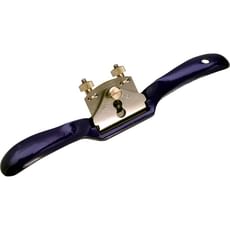
The Record spokeshave range at Tooled-Up encompasses several essential patterns. The flat-faced spokeshave remains the most versatile option, excelling at smoothing convex curves and general shaping tasks. Its broad, flat sole prevents the tool rocking whilst maintaining consistent contact with the workpiece.
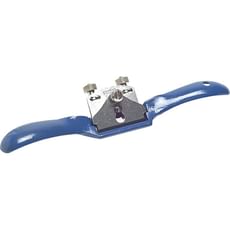
For concave work such as chair seat hollows and bowl interiors, Record's curved-sole spokeshaves provide the necessary geometry. The radiused sole allows the tool to follow inside curves without the corners catching. Combination spokeshaves featuring adjustable soles offer flexibility for workshops where space or budget necessitates multi-purpose tools.
Record's traditional pattern spokeshaves with tanged handles appeal to purists and restoration workers who value historical authenticity. These designs mirror the tools used by craftspeople for centuries, providing an unbroken link to traditional woodworking methods whilst benefiting from contemporary manufacturing quality.
Safety and Compliance
Whilst spokeshaves are relatively safe hand tools, proper technique and awareness prevent injuries. Always secure workpieces firmly before shaping, and ensure spokeshaves cut away from your body and hands. The blades are extremely sharp, capable of inflicting serious cuts if mishandled. Store spokeshaves with blade guards or retracted blades to prevent accidental contact.
When sharpening Record spokeshave blades, use appropriate eye protection against metal particles and maintain stable tool positioning. The HSE recommends keeping hand tools properly maintained, as dull blades require excessive force that increases the risk of slippage and injury.
Workshop environments should provide adequate lighting for precise shaping work, and dust extraction or respiratory protection is advisable when working timber species that produce irritating dust. Record spokeshaves themselves require no electrical safety considerations, making them inherently safe for site work and locations without power access.
Frequently Asked Questions
What's the difference between flat and curved Record spokeshaves?
Flat-soled Record spokeshaves are designed for shaping convex (outward) curves and general smoothing work. Curved-sole spokeshaves feature a radiused bottom that allows them to work concave (inward) curves without the corners digging in. Most woodworkers eventually require both types for complete shaping capability.
How do I sharpen Record spokeshave blades?
Record spokeshave blades sharpen using the same techniques as plane irons. Work through progressive grits on sharpening stones or abrasive paper, maintaining the existing bevel angle (typically 25-30 degrees). Hone a micro-bevel for quicker touch-ups between major sharpenings. The blade's small size makes it easier to handle than full-length plane irons.
Can Record spokeshaves work both hardwoods and softwoods?
Yes, Record spokeshaves excel with both timber types. For hardwoods, set a finer cut depth and ensure the blade is freshly sharpened. Softwoods permit slightly heavier cuts but require equal sharpness to prevent tearing. Adjust your technique based on grain direction and wood density for optimal results.
Are replacement blades available for older Record spokeshaves?
Record has maintained consistent sizing across decades of production, meaning replacement blades for vintage spokeshaves are often still available. This interchangeability is one reason Record tools retain value and remain sought after in the second-hand market. Check blade dimensions before purchasing to ensure compatibility.
What blade angle should I set on my Record spokeshave?
For general work, a 25-30 degree bevel angle provides an excellent balance between edge durability and cutting ease. Steeper angles (35-40 degrees) suit difficult grain or dense hardwoods but require more force. Shallower angles cut more easily but dull faster. Experiment to find what suits your typical timber and working style.