

Record Planes
 Loading...
End of content
Error - No more pages to load
Record Planes at Tooled-Up.com
Record Power has been a cornerstone of British woodworking heritage since 1912, and their range of hand planes continues to represent exceptional value and reliability for both professional tradespeople and serious DIY enthusiasts. The Record planes collection at Tooled-Up.com encompasses a comprehensive selection of bench planes, block planes, and specialist planes that honour traditional craftsmanship whilst incorporating modern manufacturing precision. Each plane is engineered to deliver accurate, controlled cuts across a wide variety of woodworking applications, from initial stock preparation through to final surface finishing.
Built upon decades of British engineering expertise, Record planes combine robust cast iron bodies with precision-ground soles and carefully hardened cutting irons. Whether you're flattening rough-sawn timber, shooting end grain, chamfering edges, or achieving glass-smooth surface finishes, Tooled-Up stocks Record planes designed to meet the exacting standards of joiners, cabinet makers, and furniture craftsmen. The brand's commitment to maintaining traditional plane geometry whilst ensuring consistent quality control has made Record a trusted name across generations of woodworkers.
From the classic No. 4 smoothing plane through to specialist rebate and shoulder planes, the Record selection delivers proven performance at competitive price points. These tools are particularly valued for their ability to hold settings reliably, their comfortable handling during extended use, and their potential for tuning and adjustment to suit individual working preferences and specific timber characteristics.
Why Choose Record Planes?
Record planes have earned their reputation through over a century of continuous refinement and manufacturing experience. The brand represents an accessible entry point into quality hand tool woodworking without compromising on essential performance characteristics. Record's cast iron construction provides the necessary mass and stability for consistent planing action, whilst their cutting irons are manufactured from hardened carbon steel capable of taking and holding a keen edge through demanding work sessions.
The value proposition of Record planes lies in their balance between affordability and genuine usability. Unlike cheaper alternatives with thin castings and poor machining tolerances, Record planes feature properly ground soles, well-fitted components, and adjustment mechanisms that function reliably. Many professional woodworkers appreciate that Record planes can be tuned and fettled to perform alongside significantly more expensive alternatives, making them particularly popular with apprentices, trainee joiners, and woodworkers building their first comprehensive toolkit.
Record's British heritage also resonates strongly with UK tradespeople who value tools designed and proven within the same working conditions they face daily. The brand's continued presence in the market demonstrates their ability to adapt manufacturing processes whilst maintaining the core design principles that made their planes workshop staples throughout the 20th century.
Who Uses Record Planes?
- Joiners and Carpenters – For fitting doors, windows, and architectural woodwork requiring precise hand finishing
- Cabinet Makers – Creating fine furniture with hand-planed surfaces and accurately fitted joints
- Furniture Restorers – Repairing and refinishing antique pieces where hand tools provide appropriate control
- Shopfitters – Trimming and fitting bespoke joinery components on-site
- Boat Builders – Shaping and fairing timber components for traditional wooden craft construction
- Timber Frame Specialists – Fine-tuning joints and achieving precise fits in structural timberwork
- Woodworking Instructors – Teaching traditional hand tool techniques to apprentices and students
- DIY Enthusiasts – Tackling home woodworking projects with quality tools that deliver professional results
Key Features of Record Planes
Record planes incorporate several distinctive features that contribute to their enduring popularity. The cast iron bodies provide excellent vibration damping and sufficient weight for smooth cutting action, whilst precision-ground soles ensure flat registration against the workpiece. The lateral adjustment lever and depth adjustment wheel allow for quick, accurate setting of the cutting iron, whilst the cap iron (back iron) can be positioned to control chip breaking and tearout on difficult grain.
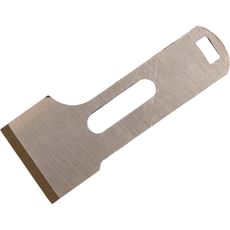
The cutting irons themselves are manufactured from quality carbon steel, typically hardened to RC 58-60, providing an optimal balance between edge retention and ease of sharpening. The relatively thick section of Record plane irons contributes to chatter resistance during cutting, particularly important when working figured hardwoods or taking fine finishing cuts. The cap iron design includes proper chip-breaking geometry, essential for controlling tearout when planing against the grain or working reversing grain patterns.
Ergonomic considerations include comfortably shaped handles (totes) and front knobs manufactured from hardwood, providing secure grip and control during use. The frog design—the angled casting that supports the cutting iron—can typically be adjusted to modify the mouth opening, allowing users to optimise performance for different cutting depths and timber species. These adjustment capabilities mean Record planes can be configured for both rapid stock removal and ultra-fine finishing cuts from the same tool.
Popular Record Planes
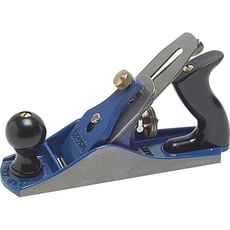
The Record No. 4 Smoothing Plane remains the most popular and versatile choice, suitable for general-purpose bench work and delivering excellent results across a wide range of planing tasks. Its 50mm (2-inch) cutter width and 250mm sole length provide an ideal balance for most furniture-scale work.
Record No. 5 Jack Planes offer increased sole length for flattening wider boards and initial stock preparation, making them particularly valued by joiners working with rough-sawn timber. The Record No. 7 Jointer Plane provides the extended sole length necessary for truing long edges and achieving perfectly straight glue joints.
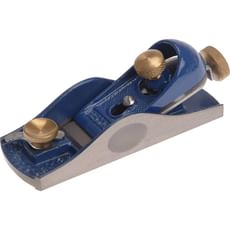
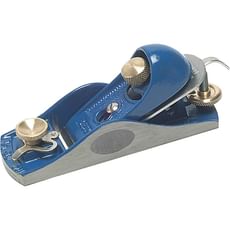
Record Block Planes are essential for single-handed work, end grain trimming, and chamfering operations. Their low cutting angle and compact size make them indispensable for site work and fine adjustment tasks. Specialist Record planes including shoulder planes, rebate planes, and bullnose planes address specific joinery requirements, offering precision control for joint fitting and detail work that distinguishes professional craftsmanship.
Safety and Compliance
Whilst hand planes don't require the same statutory safety considerations as powered equipment, proper technique remains essential for both personal safety and optimal results. Always plane with the cutting iron properly secured and adjusted—a loose iron can shift during use, potentially causing injury. Keep fingers clear of the sole when setting the plane down, and always plane away from your body and supporting hand.
Maintain sharp cutting edges to reduce the physical effort required and minimise the risk of the plane skipping or catching. Dull irons require excessive force, increasing the likelihood of loss of control. When sharpening, use appropriate eye protection and secure workholding. Store planes with the iron retracted or the plane resting on its side to protect both the cutting edge and work surfaces.
For professional environments, proper manual handling techniques should be observed when working with hand planes for extended periods. The Health and Safety Executive (HSE) guidelines on repetitive tasks and ergonomic working positions apply equally to hand tool use. Ensure adequate lighting and secure workpiece holding—proper vice selection and bench design contribute significantly to safe, effective hand planing operations.
Frequently Asked Questions
Are Record planes still made in the UK?
Record's manufacturing has evolved over the decades, with current production taking place overseas under Record Power's quality control standards. However, the designs remain faithful to the original British patterns, and the planes continue to meet the performance expectations established during Record's Sheffield manufacturing era. Many vintage Record planes from the mid-20th century remain in active professional use, testament to the fundamental soundness of their design.
How do Record planes compare to premium brands like Lie-Nielsen or Veritas?
Record planes occupy a different market position, offering solid performance at significantly lower price points. Whilst premium brands provide enhanced features such as ductile iron castings, thicker irons, and more refined machining straight from the box, Record planes can be tuned to deliver comparable results with modest fettling. For budget-conscious professionals and beginners building their toolkit, Record represents excellent value, whilst premium brands suit those seeking minimal setup time and ultimate refinement.
Do Record planes need tuning before use?
Most Record planes benefit from basic setup including flattening the sole (lapping), honing the cutting iron to a sharp edge, and ensuring the cap iron fits tightly against the cutting iron. The frog may require adjustment to achieve optimal mouth opening, and the lateral adjustment mechanism should be checked for smooth operation. These tuning steps are standard practice for most moderately-priced planes and represent worthwhile investment of time for significantly improved performance.
What's the difference between a Record No. 4 and No. 5 plane?
The primary difference is length and intended application. The No. 4 smoothing plane measures approximately 250mm long with a 50mm cutter, ideal for general-purpose work and surface finishing. The No. 5 jack plane extends to roughly 360mm with a 50mm or 60mm cutter, providing better performance for initial stock flattening and longer boards. Many woodworkers consider the No. 5 the most versatile single plane choice, whilst cabinet makers often prefer the No. 4 for furniture-scale work.
Can Record plane parts be replaced if damaged?
Yes, replacement irons, cap irons, lever caps, and adjustment mechanisms are available through Tooled-Up and specialist tool retailers. This repairability represents a significant advantage of traditional plane designs—unlike modern disposable tools, a Record plane can be maintained indefinitely with appropriate replacement parts. Many woodworkers upgrade their Record planes with aftermarket premium irons and chip breakers, further extending their performance and longevity.