

Sealey Adhesives, Sealants & Fillers





 Loading...
End of content
Error - No more pages to load
Sealey Adhesives, Sealants & Fillers at Tooled-Up.com
Sealey has established itself as one of the UK's most trusted names in workshop consumables and professional-grade bonding solutions. The Sealey range of adhesives, sealants and fillers delivers reliable performance across automotive, construction, and general workshop applications. From high-strength structural adhesives to flexible silicone sealants and quick-setting body fillers, Sealey products are engineered to meet the exacting standards of professional tradespeople whilst remaining accessible to serious DIY enthusiasts.
What sets Sealey apart in this competitive category is their commitment to manufacturing and supplying products that deliver consistent results in real-world conditions. Whether you're sealing automotive windscreens, bonding metal components, filling panel imperfections, or weatherproofing exterior joints, the adhesives, sealants and fillers available from Tooled-Up.com combine chemical reliability with practical application characteristics. Sealey understands that professionals need products that cure reliably, maintain their integrity under stress, and offer excellent adhesion across diverse substrate materials including metal, plastic, glass, and composites.
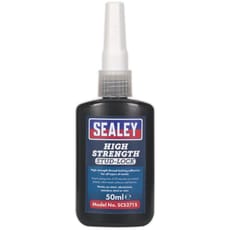
The Sealey adhesives, sealants and fillers range encompasses specialist formulations for specific trades and applications. Their product portfolio includes cyanoacrylate super glues for instant bonding, two-part epoxy systems for structural repairs, polyurethane adhesive sealants for automotive glazing, silicone sealants in various colours and specifications, body fillers for panel preparation, and thread-locking compounds for mechanical assemblies. This comprehensive selection ensures that whatever the bonding, sealing or filling challenge, there's a Sealey solution engineered for the task.
Why Choose Sealey Adhesives, Sealants & Fillers?
Sealey's reputation in the adhesives and sealants market is built on decades of understanding what professional users genuinely need. Their formulations are developed with input from technicians, mechanics, and tradespeople who rely on these products daily. This practical approach means Sealey adhesives offer excellent gap-filling properties, sealants provide long-lasting flexibility without degradation, and fillers sand smoothly without pinholing or shrinkage issues that compromise finish quality.
Quality control is paramount across the Sealey range. Each product undergoes rigorous testing to ensure batch-to-batch consistency, proper cure characteristics, and advertised performance specifications. The brand's value proposition centres on delivering professional-grade performance at competitive price points, making them particularly popular with workshops, mobile mechanics, and contractors who need reliable results without premium pricing. Sealey products typically feature excellent shelf life, user-friendly packaging with precision applicators, and clear technical documentation that takes the guesswork out of product selection.
Another compelling reason to choose Sealey is their UK-centric approach to product development. Understanding the specific challenges of British climate conditions—moisture, temperature fluctuations, and seasonal extremes—Sealey formulates their sealants and adhesives to perform reliably in these conditions. This localised expertise translates into products that cure effectively even in less-than-ideal workshop environments and maintain their properties through typical UK weather patterns.
Who Uses Sealey Adhesives, Sealants & Fillers?
- Motor Vehicle Technicians and Mechanics – for windscreen bonding, panel repairs, and general automotive assembly work
- Body Shop Professionals – requiring high-quality fillers, primers, and bonding agents for collision repair and refinishing
- General Builders and Contractors – using sealants for weatherproofing, gap filling, and construction applications
- Maintenance Engineers – employing thread-locking adhesives, gasket sealants, and repair compounds for machinery maintenance
- Plumbers and Heating Engineers – utilising silicone sealants and specialised jointing compounds
- Caravan and Marine Technicians – requiring weatherproof, flexible sealants for mobile applications
- Shop Fitters and Joiners – using construction adhesives and gap-filling products for installation work
- DIY Enthusiasts – tackling vehicle restoration, home improvement, and general repair projects
- Agricultural and Plant Engineers – needing robust bonding solutions for equipment repair in challenging environments
Key Features of Sealey Adhesives, Sealants & Fillers
Sealey adhesives are formulated with high-performance polymers and resins that deliver exceptional bond strength across dissimilar materials. Their cyanoacrylate products offer rapid fixture times measured in seconds, whilst their structural epoxies provide load-bearing capabilities suitable for mechanical assemblies. Many Sealey adhesives feature gap-filling properties that accommodate less-than-perfect joint preparation, and solvent-resistant formulations that withstand exposure to fuels, oils, and automotive fluids.
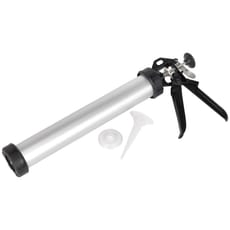
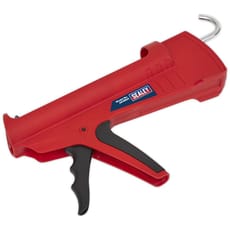
The sealant range showcases versatility with acetoxy and neutral-cure silicones, polyurethane formulations for demanding automotive applications, and acrylic-based products for paintable finishes. Temperature resistance is engineered into many products, with some Sealey sealants maintaining flexibility and adhesion from -40°C to +180°C. UV resistance prevents degradation in exterior applications, whilst low-odour formulations improve working conditions in confined spaces. Tooled-Up stocks Sealey sealants in various delivery formats including cartridges for standard skeleton guns and squeeze tubes for precision application.
Sealey body fillers demonstrate professional-grade characteristics including controlled exotherm during curing to prevent distortion, fine particle structures that sand smoothly without clogging abrasives, and excellent adhesion to bare metal, galvanised steel, and aluminium substrates. Their filler range includes lightweight formulations for panel repairs, glass fibre reinforced variants for structural work, and quick-setting options for time-critical repairs. Consistent mixing ratios and workable pot life ensure predictable results even for less experienced users.
Popular Sealey Adhesives, Sealants & Fillers
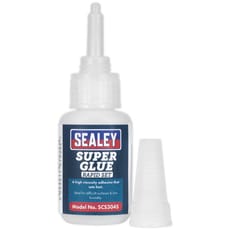
Within the extensive Sealey catalogue, certain product types have earned particular recognition amongst professionals. Their cyanoacrylate super glue range includes various viscosities from water-thin wicking grades for penetrating tight joints to gel formulations for vertical surfaces and gap filling. These instant adhesives bond rubber, plastic, metal, and ceramics within seconds, making them indispensable for quick repairs and assembly work.
Sealey's automotive windscreen and panel bonding adhesives represent another popular category, featuring polyurethane formulations that meet original equipment manufacturer specifications for structural glazing. These products provide the high-strength, flexible bonds essential for vehicle safety whilst offering reasonable drive-away times that keep workshop throughput efficient.
The silicone sealant selection spans acetoxy cure products for general purpose applications through to low-modulus neutral cure variants for sensitive substrates including natural stone, metals prone to corrosion, and plastics. High-temperature silicones serve exhaust and engine applications, whilst sanitary silicones incorporate fungicides for bathroom and kitchen installations. Body fillers remain consistently popular, with Sealey's standard polyester filler serving as a workshop staple for panel preparation, complemented by specialised variants including aluminium-filled products for enhanced strength and fibreglass-reinforced options for structural repairs.
Safety and Compliance
Sealey adhesives, sealants and fillers are supplied with comprehensive safety documentation including Safety Data Sheets (SDS) compliant with UK COSHH regulations. Users should observe proper handling procedures as many products contain solvents, isocyanates, or reactive chemicals that require adequate ventilation and appropriate personal protective equipment. Respiratory protection may be necessary when working with solvent-based products or when sanding cured fillers, particularly in confined spaces.
Skin contact should be minimised through the use of suitable chemical-resistant gloves, with barrier creams providing additional protection. Eye protection is essential when dispensing adhesives or working with products under pressure. Many Sealey sealants and adhesives are flammable in their uncured state, requiring appropriate storage away from ignition sources and compliance with HSE guidance on hazardous substance storage.
Product labels clearly indicate cure times, temperature ranges, and substrate compatibility, ensuring proper application technique. Users should verify that specific products meet relevant British and European standards for their intended application, particularly for structural bonding in automotive or construction contexts. Disposal of empty containers and uncured material should follow local authority guidelines for chemical waste, with aerosol products requiring specific disposal routes.
Frequently Asked Questions
What's the difference between acetoxy and neutral cure silicone sealants in the Sealey range?
Acetoxy cure silicones release acetic acid (vinegar smell) during curing and offer excellent adhesion to most surfaces including glass and ceramics, but can corrode sensitive metals and some plastics. Neutral cure variants release alcohol during curing, produce minimal odour, and are safe for metals, mirrors, natural stone, and plastics, though typically cost slightly more. For general glazing and sanitary applications, acetoxy products work well; for sensitive substrates or where odour is problematic, choose neutral cure options.
How quickly can vehicles be returned to service after using Sealey polyurethane windscreen adhesives?
Sealey automotive glazing adhesives typically achieve safe drive-away strength within 1-3 hours under normal conditions (approximately 20°C with moderate humidity), though full cure requires 24 hours. Cure times vary with temperature and humidity—cold or dry conditions extend cure times, whilst warmth and moisture accelerate curing. Always consult specific product technical data sheets and never compromise on minimum drive-away times, as premature vehicle use can compromise structural integrity and safety.
Can Sealey body fillers be applied directly over existing paint?
Whilst Sealey body fillers will adhere to properly prepared painted surfaces, best practice recommends grinding back to bare metal for critical structural repairs. For minor cosmetic filling, thoroughly degrease the paint, abrade with 80-120 grit paper to provide mechanical key, and apply thin coats rather than single thick applications. However, for any panel repair involving structural integrity or areas subject to stress, remove paint completely and apply filler to clean, abraded bare metal for optimal adhesion and durability.
Are Sealey adhesives suitable for plastic bumper repairs?
Sealey offers specific adhesive solutions for plastic repairs, including two-part epoxies formulated for flexible substrates and cyanoacrylates designed for rubber and plastic bonding. However, automotive plastics vary significantly—polypropylene and polyethylene bumpers often require specialist primers or dedicated plastic welding techniques for structural repairs. For cosmetic repairs and smaller cracks, appropriate Sealey flexible adhesives work effectively, but identify the plastic type first (usually marked on the component reverse) and select compatible products accordingly.
What shelf life can I expect from Sealey sealants and adhesives?
Unopened Sealey adhesives and sealants typically maintain full performance for 12-24 months when stored correctly in cool, dry conditions away from direct sunlight and temperature extremes. Cyanoacrylate adhesives benefit from refrigerated storage to extend shelf life. Once opened, cartridge sealants should be used within several months, whilst tube adhesives may have shorter working life once the seal is broken. Always check batch codes and manufacturing dates, and discard products showing signs of thickening, separation, or premature curing in the container.