

Stanley Bench Planes
 Loading...
End of content
Error - No more pages to load
Stanley Bench Planes at Tooled-Up.com
Stanley has been synonymous with quality hand planes since the 19th century, establishing a legendary reputation that continues to define woodworking excellence today. The Stanley bench plane range represents over a century of refinement, combining traditional craftsmanship with modern manufacturing precision. Whether you're a professional joiner working on bespoke furniture or a dedicated DIY enthusiast restoring antique woodwork, Stanley bench planes deliver the reliability and performance that generations of craftspeople have trusted.
The bench plane selection available from Tooled-Up.com encompasses the full spectrum of Stanley's renowned offerings, from compact smoothing planes to robust jack planes and precision jointer planes. Each tool in the Stanley range features the iconic Bailey design platform that revolutionised hand plane construction, incorporating adjustable frogs, precision-ground blades, and ergonomically designed handles that reduce fatigue during extended use.
Stanley bench planes are engineered for accuracy and durability, with cast iron bodies that provide the mass necessary for smooth, chatter-free cutting. The brand's commitment to quality ensures that every plane, whether it's a No. 4 smoothing plane or a No. 7 jointer, maintains the exacting standards that have made Stanley the benchmark against which all other hand planes are measured.
Why Choose Stanley Bench Planes?
Stanley's reputation in the hand tool industry is built on over 175 years of innovation and manufacturing excellence. The brand introduced the adjustable bench plane design that became the industry standard, and continues to refine these tools using both traditional techniques and modern quality control methods. Stanley bench planes offer exceptional value, combining professional-grade performance with accessible pricing that makes them ideal for both trade professionals and serious hobbyists.
The consistency and reliability of Stanley bench planes means you can trust these tools for precision work across a lifetime of use. Many vintage Stanley planes from decades ago remain in active service today, testament to the durability of their construction. Modern Stanley bench planes maintain these heritage qualities whilst incorporating improvements in blade metallurgy, finish quality, and manufacturing precision. The brand's global distribution network also ensures that replacement parts, including blades, cap irons, and adjustment mechanisms, remain readily available.
Stanley's commitment to accessibility means that professional-quality woodworking isn't reserved for those with unlimited budgets. These bench planes provide an entry point for apprentice joiners and carpenters whilst offering the performance that experienced craftspeople demand for critical tasks like fitting doors, smoothing tabletops, and preparing timber for fine joinery work.
Who Uses Stanley Bench Planes?
Stanley bench planes are essential tools for a diverse range of users:
- Professional joiners and carpenters who require reliable hand tools for site work and workshop projects
- Furniture makers and cabinetmakers who depend on precision planing for fine woodworking
- Boat builders and shipwrights working with traditional timber construction methods
- Heritage restoration specialists maintaining historic buildings and period properties
- Pattern makers creating precise wooden forms for industrial casting
- Luthiers and instrument makers who need fine control for delicate timber work
- Set designers and prop makers in theatrical and film production
- DIY enthusiasts and woodworking hobbyists pursuing quality craftsmanship
- Apprentices and trainees learning traditional woodworking skills
- Education facilities teaching woodwork and carpentry programmes
Key Features of Stanley Bench Planes
Stanley bench planes incorporate several distinctive features that define their performance and usability. The cast iron body construction provides essential mass and stability, reducing vibration and ensuring smooth cutting action across both softwoods and hardwoods. The adjustable frog mechanism allows precise control over blade angle and mouth opening, enabling users to configure the plane for different materials and cutting requirements.
The blade assembly features heat-treated high-carbon steel that holds a sharp edge through extended use, whilst the cap iron (chipbreaker) can be positioned to control shaving thickness and prevent tear-out on difficult grain. Stanley's lateral adjustment lever and depth adjustment wheel provide fine control over blade position, allowing users to achieve precise shaving thickness from gossamer-thin finishing cuts to heavier stock removal.
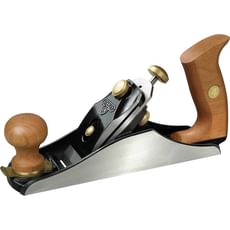
Ergonomic handles made from stained hardwood or impact-resistant polymer provide comfortable grip during extended planing sessions, with the traditional tote (rear handle) and knob (front handle) design distributing force efficiently. The polished sole ensures smooth travel across the workpiece, whilst the precision-ground sides on many models enable the plane to be used for shooting and edge jointing when used with a shooting board.
Quality control throughout manufacturing ensures that Stanley bench planes arrive properly assembled and require minimal fettling before use, though experienced users often tune their planes further to achieve optimal performance for specific applications.
Popular Stanley Bench Planes
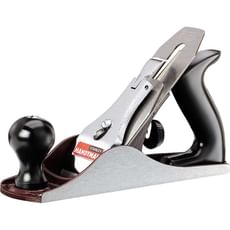
The Stanley No. 4 smoothing plane remains the most versatile and widely used bench plane, ideal for general-purpose work, final surface preparation, and detail work. Its 50mm (2-inch) blade and 250mm length make it manoeuvrable yet substantial enough for effective stock removal. The No. 4 is often the first bench plane purchased by both professionals and hobbyists due to its exceptional versatility.
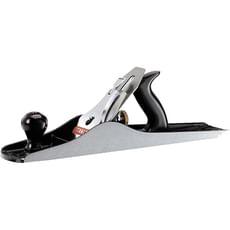
The Stanley No. 5 jack plane bridges the gap between smoothing and jointing, offering a 355mm length that handles both initial stock preparation and surface smoothing. Its longer sole flattens boards more effectively than shorter planes whilst remaining manageable for extended use. Many craftspeople consider the No. 5 the ideal single-plane choice for general workshop duties.
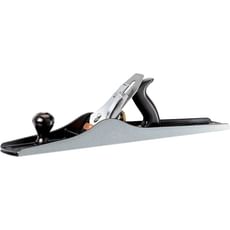
For precision edge jointing and flattening longer boards, the Stanley No. 7 jointer plane provides a 560mm sole that references across high spots to create perfectly straight edges and flat surfaces. Professional joiners rely on the No. 7 for fitting doors, preparing timber for glue-ups, and creating seamless joints in solid wood construction.
The Stanley low-angle block plane range, whilst technically not bench planes, complements any plane collection for end-grain work, chamfering, and detail trimming. The Tooled-Up selection includes various sizes and configurations to suit different applications and hand sizes.
Safety and Compliance
Whilst bench planes don't require the formal safety certifications associated with powered equipment, proper handling techniques are essential for safe operation. Always maintain sharp blades, as dull cutting edges require excessive force and are more likely to slip. When adjusting blade depth, retract the iron fully before making changes, and always plane away from your body to prevent injury from unexpected tool movement.
Store bench planes with blades retracted or with the tool resting on its side to protect both the cutting edge and work surfaces. Keep fingers clear of the blade aperture during use, and secure workpieces properly before planing to prevent movement. When sharpening blades, use appropriate eye protection and follow established grinding techniques to maintain correct bevel angles.
The HSE recommends that apprentices and trainees receive proper instruction in hand tool use, including stance, grip techniques, and workpiece securing methods. Professional users should incorporate hand tool safety into site risk assessments and ensure that appropriate first aid provisions are available. Regular maintenance, including checking that all adjustment mechanisms function correctly and that handles remain secure, helps prevent accidents caused by tool failure.
Frequently Asked Questions
What's the difference between Stanley's Bailey and handyman plane ranges?
Stanley Bailey planes represent the premium line with superior materials, more precise manufacturing tolerances, and traditional construction methods. They feature adjustable frogs, higher-quality castings, and better finish work. Handyman planes are budget-oriented tools designed for occasional DIY use, with simpler construction and fixed frogs. For professional work or serious woodworking, Bailey planes from Tooled-Up offer significantly better performance and longevity.
Do Stanley bench planes arrive ready to use?
Modern Stanley bench planes arrive pre-assembled and can be used immediately for general work, though most woodworkers perform initial tuning for optimal performance. This typically involves sharpening the blade to a keener edge, flattening the sole if necessary, and adjusting the frog position for your specific needs. The planes are factory-set to reasonable tolerances, but fine-tuning enhances their capability for precision work.
Which Stanley bench plane should I buy first?
The Stanley No. 4 smoothing plane is the most versatile choice for a first bench plane, handling everything from surface smoothing to general stock preparation. If you primarily work with longer boards or door fitting, the No. 5 jack plane offers greater versatility for both rough preparation and finishing. Professional joiners often start with both a No. 4 and No. 5, whilst furniture makers might prioritise the No. 4 and add a No. 7 jointer for precision edge work.
How often do Stanley plane blades need sharpening?
Sharpening frequency depends on usage intensity and timber characteristics. Professional users working with abrasive hardwoods might sharpen several times daily, whilst occasional DIY use in softwoods might require sharpening only after several hours of accumulated use. You'll know sharpening is needed when the plane requires more force to cut, produces fuzzy rather than clean shavings, or begins to tear grain. Regular honing on fine stones between major sharpenings extends the interval between full blade grinds.
Are vintage Stanley planes better than modern ones?
Vintage Stanley planes from the mid-20th century are highly regarded for their casting quality and precision manufacturing, with certain models commanding premium prices among collectors. However, modern Stanley bench planes available at Tooled-Up.com offer consistent quality, warranty protection, and readily available replacement parts. For working tools rather than collectibles, new Stanley planes provide excellent performance and value, particularly after initial tuning. The choice often comes down to personal preference and whether you enjoy the restoration process associated with vintage tools.